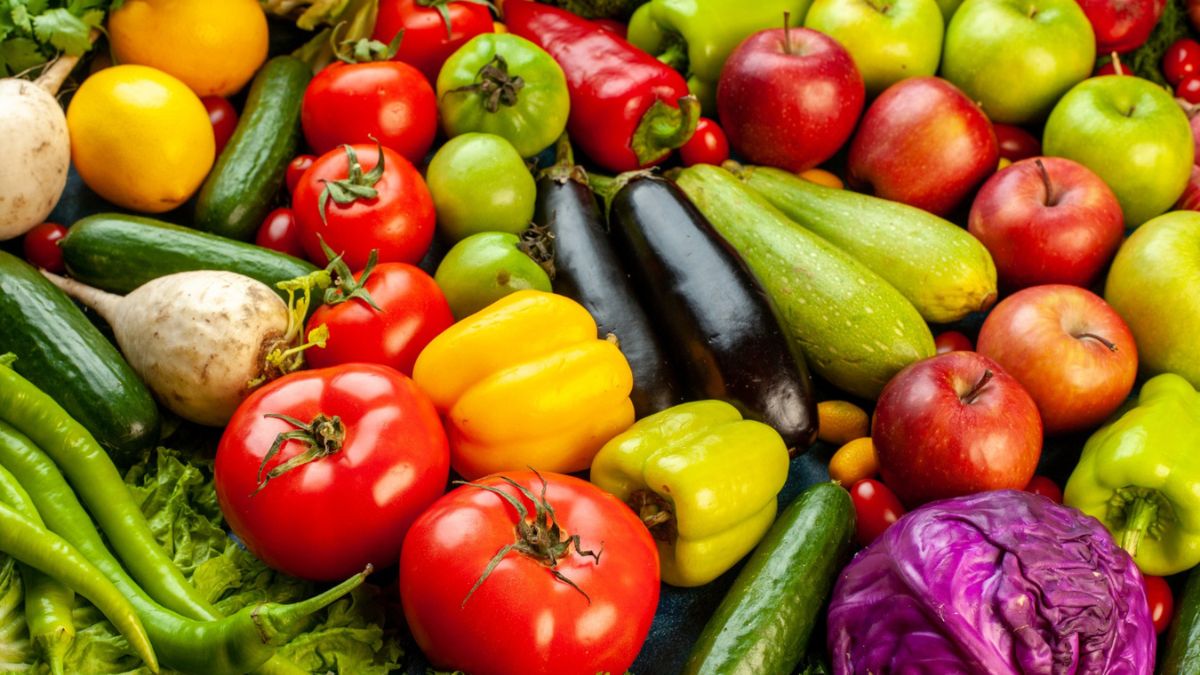

Salads have this image. Clean, light, almost automatically healthy. If it is raw, it must be good for you. That is how most people look at it.
But it is not always that straightforward. Some vegetables work well raw. Others, not so much. The difference usually comes down to how they grow, what they carry from the soil, and how your body handles them.
To make this clearer, Dr Shubham Vatsya, gastroenterologist and hepatologist at Fortis Vasant Kunj, Delhi, with over a decade of clinical experience, shared a simple reminder. “Nowadays, raw salads are considered super healthy, but the reality is that improperly washed raw vegetables can increase the risk of gut infections, especially when they come directly from the soil. Light cooking improves safety and digestion. Eat smart, wash thoroughly and cook when needed to protect your gut and overall health,” he says.
1. Capsicum: Why eating it raw may not be ideal
Capsicum or bell peppers often end up straight in salads. But according to Dr Vatsya, they are better handled with a bit more care.
“First is capsicum (bell pepper). There can be microbial contamination on its seeds and surface, especially due to improper washing. Therefore, you should eat it only after removing the seeds, washing it thoroughly, and cooking it lightly,” he explains.
It is not about avoiding it completely. Just preparing it properly.
2. Broccoli: Raw form can affect digestion
Broccoli is usually seen as a superfood. Which it is. But raw broccoli can be slightly harsh on the gut.
“Second is broccoli. Raw broccoli contains complex fibres and goitrogenic compounds that slow down digestion and increase gas and bloating. Light steaming breaks these down, which allows for better absorption,” Dr Vatsya says.
So cooking it lightly is not about losing nutrients. It is about making them easier to use.
3. Colocasia leaves: Why cooking is important
Colocasia leaves, or arbi ke patte, are another example where raw consumption is not a good idea.
“Third are Arbi (colocasia) leaves. These contain calcium oxalate crystals which, in raw form, can cause throat irritation, burning, and increase the risk of long-term kidney stones. Proper cooking neutralises these crystals,” he explains.
In this case, cooking is not optional. It is necessary.
What this really means for your diet
Raw does not always mean better. Some vegetables need a little heat to become safer and easier to digest.
It is a small shift. Wash properly. Cook when needed. And just be a bit more aware of what goes into your plate.
Disclaimer: Tips and suggestions mentioned in the article are for general information purposes only and should not be construed as professional medical advice. Always consult your doctor or a dietician before starting any fitness programme or making any changes to your diet.
ALSO READ: Never eat these eat food items raw: From potatoes to rajma