

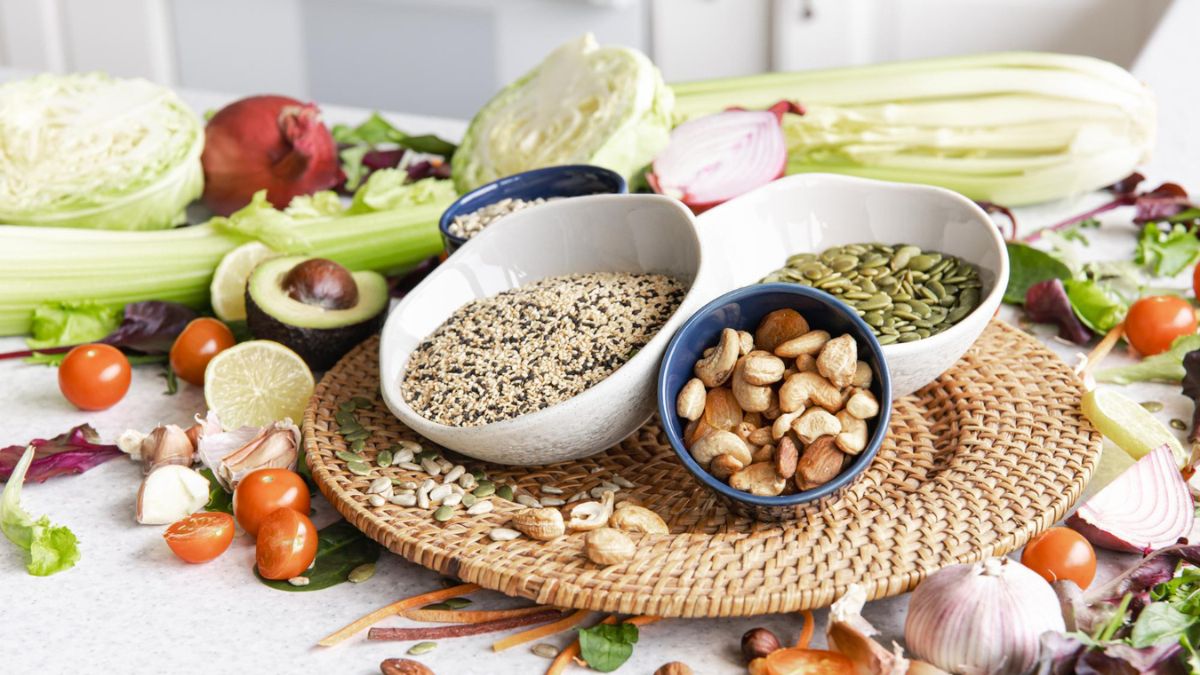

Fibre is one of those things people know they should be eating more of. It comes up often. Gut health, digestion, feeling full, all of that. And yet, in everyday meals, it quietly slips through the cracks.
The gap is bigger than most expect. While the recommended intake sits somewhere between 25 and 38 grams a day, many people barely cross 15–16 grams. Recently, gastroenterologist Saurabh Sethi shared a simple Instagram post pointing this out, adding, “Most people think they eat enough fibre… in reality, the average intake is only around 16g.” His approach is not complicated. Just combining regular foods in a way that adds up.
Why fibre matters more than you think
Fibre does a lot of behind-the-scenes work. It supports digestion, helps regulate blood sugar, contributes to cholesterol balance, and keeps you feeling full after meals. Nothing dramatic. Just steady benefits that build over time.
The issue is not lack of awareness. It is more about how modern diets are structured. A lot of refined and ultra-processed foods, not enough whole ingredients.
A simple way to reach 30g of fibre
Instead of strict meal plans, the idea is to mix and match foods you already eat. Small additions. Spread through the day. It adds up quicker than you think.
Here are a few easy combinations:
Combo 1
Half an avocado (around 5 to 7g), half a cup of chickpeas (6g), one large apple (5g), half a cup of oats (4g), a cup of cauliflower (3g), and two tablespoons of chia seeds (roughly 8 to 10g). That comfortably crosses 30g.
Combo 2
A cup of raspberries (8g), broccoli (5g), half a cup of black beans (7g), flaxseed (4g), leafy greens (about 1 to 2g), half a sweet potato with skin (2g), and a slice of whole-grain bread or roti (2g). Again, around the 30g mark.
Combo 3
One pear (6g), a handful of almonds (4g), cooked lentils (8g), roasted cabbage (3g), quinoa (5 to 6g), and sautéed spinach (3g). Balanced, filling, and fibre-rich without trying too hard.
Combo 4
Half a cup of farro or barley (around 5 to 6g), lentils (8g), almonds (4g), a pear (6g), sautéed kale (3g), and roasted cauliflower (3g). Another simple way to hit the target.
You do not need to eat everything at once
This is where people overcomplicate things. You are not expected to eat all of this in one sitting. Or even follow one combo exactly.
Pick three or four fibre-rich foods. Add them into meals you already eat. Track it for a few days. Adjust portions if needed. That is usually enough to close the gap.
A small note before you start
Increase fibre gradually. Too much, too quickly, can feel uncomfortable. And water matters here. Quite a bit. Fibre works best when hydration is on point.
Disclaimer: Tips and suggestions mentioned in the article are for general information purposes only and should not be construed as professional medical advice. Always consult your doctor or a dietician before starting any fitness programme or making any changes to your diet.



