


Gender-based micro aggressions continue to shape workplace experiences. Such behaviour often pushes women into silence. More often than not, women employees find themselves adjusting their behaviour to accommodate the egos and sensitivities of male superiors. Some may argue that such behaviour ceases to exist in this day and age, but it is not uncommon. Once, a male colleague asked me why I don’t wear dupattas with a salwar-kameez.
Speakers of a panel discussion held on May 9 by the Telangana government as part of the ‘Stand With Her’ campaign spoke about the same topic. The panel concluded that everyday sexism often hides behind humour, unsolicited advice, and casual remarks. “But its cumulative impact pushes women into silence, self-censorship and withdrawal from workplaces and public spaces,” the article says.
There is more to the story. Sailaja Josyula, Global Head of GCC Service Line at Cognizant, says that women are frequently judged more on appearance and behaviour than professional competence. She adds that women are often interrupted, overlooked in meetings, or subjected to commentary on their dressing, tone, or marital status.
Casual misogynistic remarks often have large consequences. Despite contributing significantly to the workforce, women are grossly under-represented in managerial positions. A survey conducted by the Udaiti Foundation, a non-profit organisation, states that almost half of the 2,647 companies listed on the National Stock Exchange do not have any women in key managerial positions, according to an analysis of company submissions.
The solution to making workspaces more accessible to women is simple: hire more women at every level, allow them to lead teams, and encourage healthier workplaces where women don’t have to always be responding to inappropriate remarks made by colleagues.
One can learn several lessons from the women of Thiruppalaikudy, a coastal village in Tamil Nadu, where women for the first time have turned into entrepreneurs, managing seaweed farms. This is part of the ‘Blue is the New Pink’ initiative by Amrita Vishwa Vidyapeetham, which has trained over 200 women, harvested more than 21 tonnes of seaweed, and realised a profit exceeding ₹90,000. The report says that though the point is to collect seaweed, a profound shift in social dynamics has been observed. “The shared pursuit of farming created a safe environment for women to find their voices and solve local problems together,” the article says.
WORDSWORTH
Gender ticketing In order to receive a bus ticket in Kerala, one must state their gender. The Kerala State Road Transport Corporation (KSRTC) is using electronic ticketing machines to ascertain how many women travel via buses in order for the United Democratic Front (UDF) to fulfil its poll promise of free bus tickets to women.
TOOLKIT
The next time you are at a book store, do check outDominion, Addie E. Citchens’ debut novel that reviewer Saurabh Sharma describes as a searing narrative of parenthood, sisterhood, and the intersectionality of identity. The story unfolds around a church in the fictional town of Dominion, Mississippi, where Priscilla, the protagonist, lives with her husband, Rev. Sabre Winfrey, Jr., who presides as pastor. “In a man’s world, it is still the man who is labelled “bright”, no matter how much darkness he leaves in his wake,” the writer says. The book has been shortlisted for the Women’s Prize for Fiction.
OUCH!
Never treat such modern girls with love and respect. They don’t deserve it.
You have to be brutal. If she talks to 10 guys, you talk to 100 girls.
If she dates the tallest, richest guy,
You date the youngest, prettiest virgin.
Venom, an Indian X social media celebrity with 97.2k followers
PEOPLE WE MEET
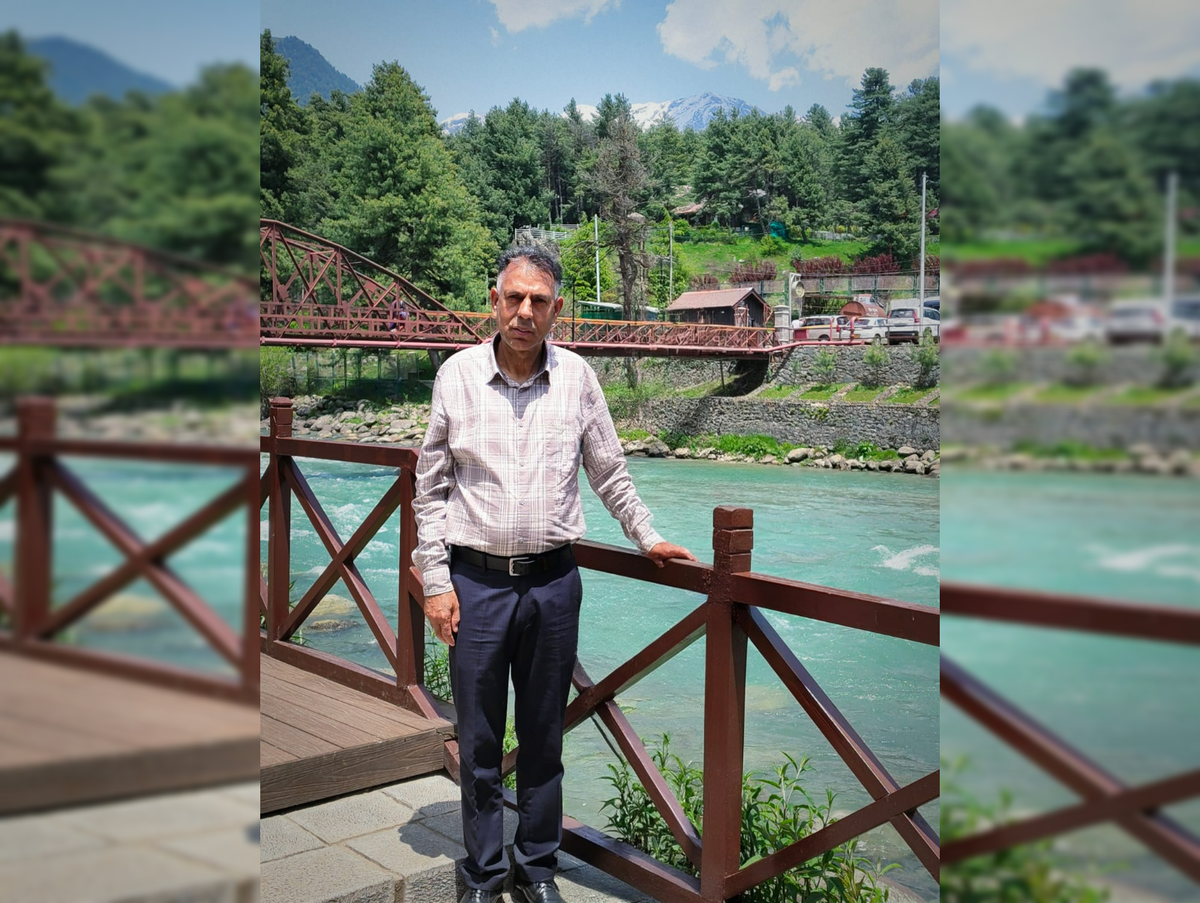
Nazir Ahmed
| Photo Credit:
Special Arrangement
At a hotel in Pahalgam, Kashmir, Nazir Ahmed, resident manager and a father of two daughters, says, “I want my daughters to stay here and do everything that a man can. They do not need to leave the Valley in order to live their lives.” A year ago, 26 tourists were killed in a terrorist attack in this picturesque region. Ahmed was busy evacuating tourists and sending them back home. “My daughters came out to help that day and were unfazed. I am happy that I have raised children who are unafraid,” he says, adding that it would be great if more women and youth in Kashmir could get the employment opportunities promised by the Centre to them. “Their education and talent are being wasted,” he says.
Published – May 10, 2026 01:58 pm IST



