
Gut health is closely linked to what we eat, and some everyday foods can support the balance of bacteria in the digestive system. From fermented foods to fibre-rich legumes and certain fruits, a handful of familiar options can make useful additions to a gut-friendly diet.
Dr Saurabh Sethi, a board-certified gastroenterologist who has trained at Harvard, Stanford and AIIMS, recently shared five foods he recommends for better gut health in an Instagram video. His list includes yoghurt, fermented foods, slightly green bananas, papaya and fibre-rich legumes, with each offering a different way to support the gut.
1. Yoghurt and other fermented dairy foods
Dr Sethi’s first pick is yoghurt, or dahi, along with buttermilk. He explains that these naturally fermented foods contain beneficial bacteria that can support gut microbiome diversity.
According to the gastroenterologist, they may also help reduce digestive issues such as heartburn and bloating.
2. Fermented foods for the gut microbiome
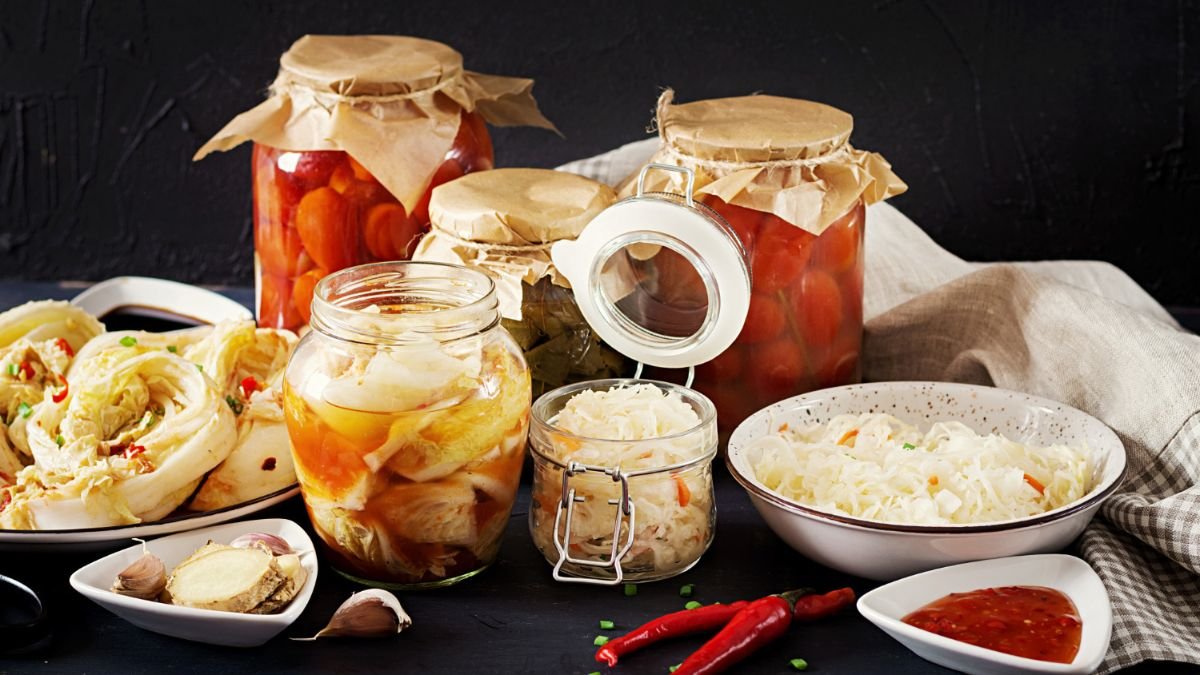
The next category includes fermented foods such as kimchi, sauerkraut, kanji and idli.
“Fermentation partially breaks down starches, improving the availability of certain nutrients and helping to support a healthier gut microbiome,” Dr Sethi says.
The focus here is on the role fermentation can play in changing how certain nutrients are made available while also supporting the bacteria in the gut.
3. Slightly green bananas contain resistant starch
A slightly green banana is another food Dr Sethi recommends. Unlike a fully ripe banana, it contains resistant starch, which acts as fuel for beneficial bacteria in the colon.
As he explains, this process can help produce short-chain fatty acids such as butyrate, which are important for colon health.
4. Papaya may support digestion
Papaya makes the list because it contains papain, an enzyme involved in protein digestion.
Dr Sethi says papain can help with protein digestion and support smoother bowel movements. He also notes that papaya can help with constipation.
5. Fibre-rich legumes act as prebiotics
The final category is fibre-rich legumes, including chickpeas, lentils and beans.
According to Dr Sethi, these foods act as prebiotics and feed short-chain fatty acid-producing bacteria. These bacteria, in turn, support gut barrier function.
ALSO READ:
Bloating after meals? Expert explains why you shouldn’t blindly cut gluten or dairy