

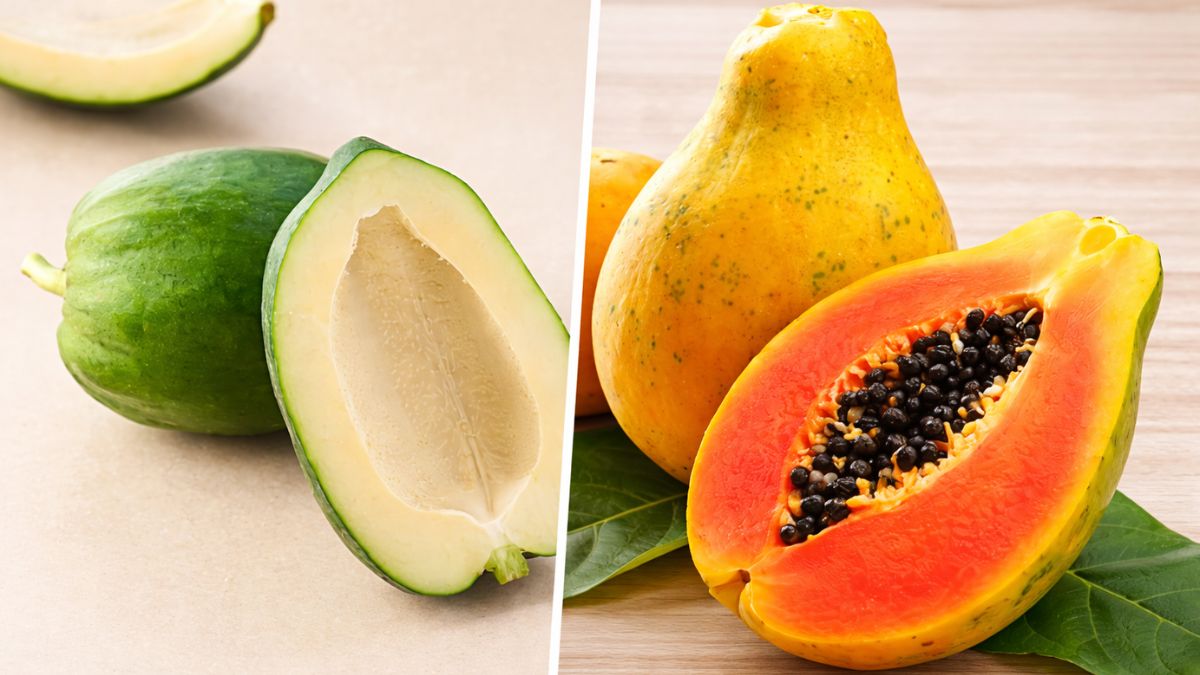

- Raw vs ripe papaya for blood sugar control
- Nutritional breakdown of raw and ripe papaya
- Why raw papaya works better for diabetics
- What happens with ripe papaya
- Fibre, digestion and glucose release
- Glycaemic index and what it means here
- So which one should you actually eat
- Smart ways to include papaya in a diabetic diet
- Who needs to be a bit more careful
- The bottom line on papaya and blood sugar
Papaya shows up on almost every “good for diabetics” list. But then the confusion kicks in. Should you eat it raw or ripe? Both exist. Both look completely different. And both behave differently in your body.
If you have diabetes or even borderline sugar issues, this question matters more than it seems. Because with papaya, ripeness changes everything. Not just taste, but how your blood sugar responds too.
Raw vs ripe papaya for blood sugar control
At a basic level, raw papaya and ripe papaya are not nutritionally identical. Their sugar levels, fibre content, and glycaemic impact shift as the fruit matures.
Research published in the Rom J Diabetes Nutr Metab Dis journal suggests papaya extracts may help reduce blood glucose, thanks to compounds like vitamin C, fibre, flavonoids, and saponins. But how your body reacts depends a lot on whether the fruit is raw or ripe.
This is why many of the 101 million adults living with diabetes often get confused about which version works better.
Nutritional breakdown of raw and ripe papaya
According to the Indian Council of Medical Research and National Institute of Nutrition, here is how the two compare per 100 grams.
Raw papaya:
- Energy: 32 calories
- Carbohydrates: 5.5 g
- Total sugars: 1.2 g
- Dietary fibre: 2.6 g
- Protein: 0.6 g
- Fat: 0.1 g
- Vitamin C: 58 mg
- Vitamin A: 225 ug
- Potassium: 190 mg
- Calcium: 23 mg
- Glycaemic load: Low
Ripe papaya:
- Energy: 43 calories
- Carbohydrates: 10.8 g
- Total sugars: 7.8 g
- Dietary fibre: 1.7 g
- Protein: 0.5 g
- Fat: 0.1 g
- Vitamin C: 61 mg
- Vitamin A: 270 ug
- Potassium: 182 mg
- Calcium: 20 mg
- Glycaemic load: Moderate
So yes, both are nutritious. But the sugar and fibre difference is pretty noticeable.
Why raw papaya works better for diabetics
This comes down to two things. Lower sugar and higher fibre.
Raw papaya contains fewer natural sugars and more complex carbohydrates. That means slower digestion and a steadier release of glucose into the bloodstream.
Some key benefits:
- Higher fibre supports better insulin sensitivity
- Helps reduce post-meal sugar spikes
- Can be easily added to meals like sabzi, curries, or salads
It is not usually eaten as is. It needs cooking or proper preparation because of its tough texture.
What happens with ripe papaya
Ripe papaya is softer, sweeter, and easier to eat. But that sweetness comes from higher fructose content.
Which means:
- It can lead to quicker blood sugar spikes
- Portion size becomes important
- Overripe papaya can spike sugar levels even more
That said, it is not “bad”. It still provides essential vitamins and minerals. You just have to be mindful about how much and how often.
Fibre, digestion and glucose release
Fibre plays a quiet but important role here.
Raw papaya, being higher in fibre, slows down digestion. Glucose enters the bloodstream gradually.
Ripe papaya is easier on digestion but releases sugar faster. So the spike happens quicker.
Small daily food habits can quietly increase insulin demand over time, especially when high-sugar fruits are eaten frequently.
Glycaemic index and what it means here
The glycaemic index basically tells you how quickly a food raises blood sugar.
- Raw papaya has a low glycaemic index, especially when cooked
- Ripe papaya has a moderate glycaemic index
This difference is why raw papaya is often preferred for regular consumption in diabetes management.
So which one should you actually eat
The honest answer. Both, but differently.
- Raw papaya is better for regular, everyday use
- Ripe papaya is fine occasionally, in controlled portions
And ideally, this should be adjusted based on your medication and sugar levels. A nutritionist or dietitian can help fine-tune that.
Smart ways to include papaya in a diabetic diet
A few practical ways that actually work:
- Cooked raw papaya sabzi or curry
- Lightly sautéed raw papaya in salads
- Pair raw papaya with protein and healthy fats
- A small bowl of ripe papaya after meals
- Avoid papaya juice, especially packaged ones with added sugar
Simple tweaks, but they make a difference.
Who needs to be a bit more careful
Papaya is generally safe, but some people should be more mindful. Based on research published in the Inflammopharmacology journal:
- People on insulin should consult their doctor for timing and quantity
- Those with fluctuating sugar levels should avoid large portions of ripe papaya
- Pregnant women should be cautious with raw papaya as it may cause gastric distress
It is not about avoiding it completely. Just being a bit more aware.
The bottom line on papaya and blood sugar
Raw papaya tends to be the better option for blood sugar control because of its fibre and lower sugar content. Ripe papaya can still be part of the diet, just in moderation.
In the end, it is less about choosing one over the other and more about portion size, preparation, and timing. Those small details decide how your blood sugar responds.
Disclaimer: Tips and suggestions mentioned in the article are for general information purposes only and should not be construed as professional medical advice. Always consult your doctor or a dietician before starting any fitness programme or making any changes to your diet.
ALSO READ: Consuming papaya on an empty stomach in the morning relieves constipation



