

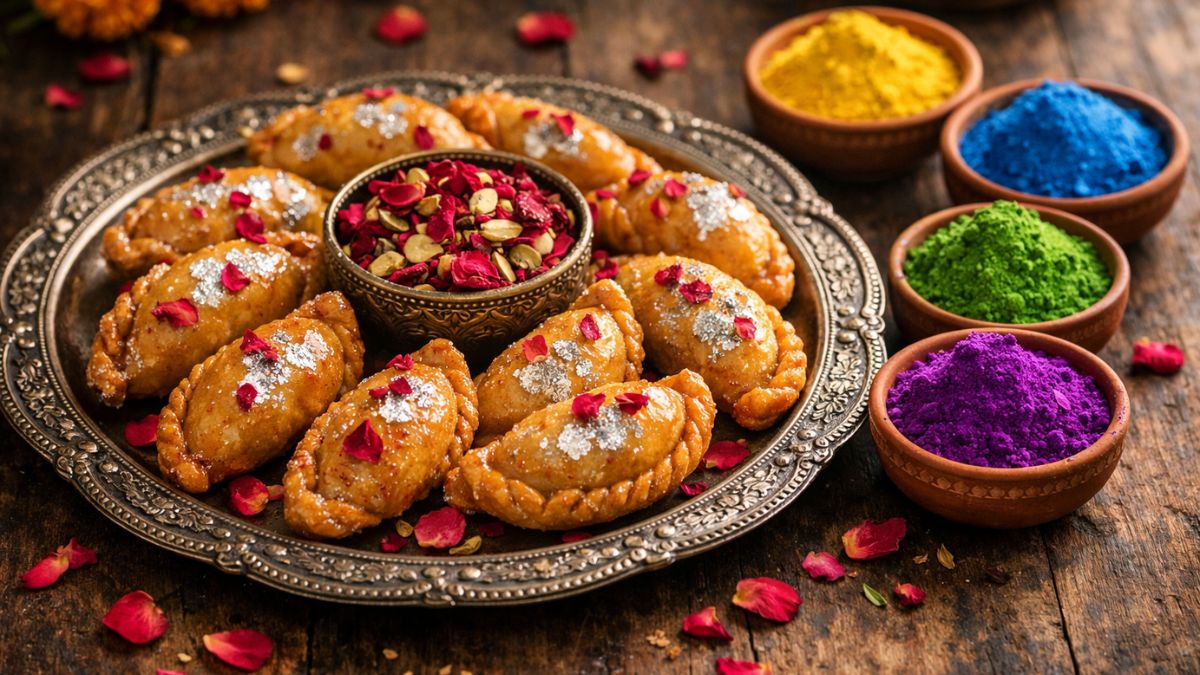

Holi has a way of arriving loudly. Not subtly. You start noticing it in markets first. Piles of gulal. Water guns. Sweet shops running overtime. Then suddenly group plans, old-clothes jokes, and someone already guarding their white kurta. The festival of colours does not ease in. It takes over the mood.
Beyond the colour chaos though, Holi carries layered meaning. It marks the seasonal shift into spring, celebrates community, and draws from mythology that centres on good winning over evil. Different regions shape it differently too. Bengal leans into Dol Jatra. Brij belts out Lathmar Holi. Same festival. Different textures.
When is Holi 2026? Date and timing details
The confusion this year largely comes from tithi overlap. Phalguna Purnima spans two calendar days, which often blurs ritual timing for people checking dates online.
As per the Hindu calendar:
- Purnima tithi begins at 5:55 PM on March 2, 2026
- Purnima tithi ends at 5:07 PM on March 3, 2026
Based on this alignment:
- Holika Dahan will be observed on March 3, 2026
- Rangwali Holi will be celebrated on March 4, 2026
The sequence remains consistent. Bonfire first. Colours the following day.
Cultural and spiritual significance of Holi
Holi’s symbolism sits deep in Hindu tradition. At the centre is the story of Prahlad and Holika. Prahlad, a devotee of Lord Vishnu, survives a fire lit to kill him, while Holika perishes instead. The bonfire ritual recreates that moment. A reminder that faith and righteousness endure.
There is also the Radha-Krishna lore, where playful colour application becomes an expression of love and divine mischief. That narrative shapes the colour-throwing traditions still seen today, especially across Mathura and Vrindavan.
Zoom out, and Holi becomes about renewal. Spring arriving. Relationships resetting. Grudges dissolving, at least for a day.
Holi food traditions: What’s cooked at home
Festivals in India rarely stop at rituals. Food runs parallel to celebration. Holi kitchens usually start prepping early, with sweets and snacks designed for sharing.
Some staples you will spot across households:
Deep-fried dumplings stuffed with khoya, nuts and sugar. Crisp outside. Rich inside. Almost synonymous with Holi.
Soft lentil dumplings soaked in chilled yoghurt, layered with chutneys and spice powders. Cooling, especially after hours in the sun.
A spiced milk drink blended with nuts, fennel, rose and aromatics. Served chilled. Keeps the festive energy balanced.
Flaky, deep-fried pastries filled with spiced lentils or peas. Usually paired with tangy chutneys.
Vegetable fritters dipped in gram-flour batter and fried until crunchy. Simple. Crowd-friendly. Always disappears first.
Food, much like colour, becomes communal. Plates move. Recipes repeat. Nobody eats alone. Because Holi is not just about celebration, it is about sharing the moment together.
ALSO READ: Prepping for Holi? Expert says your skincare should start 48 hours before



