
Eating healthy is not just about protein, carbs, and fats. That’s usually where most people stop. But micronutrients matter just as much, sometimes more. They quietly support how your body actually functions day to day.
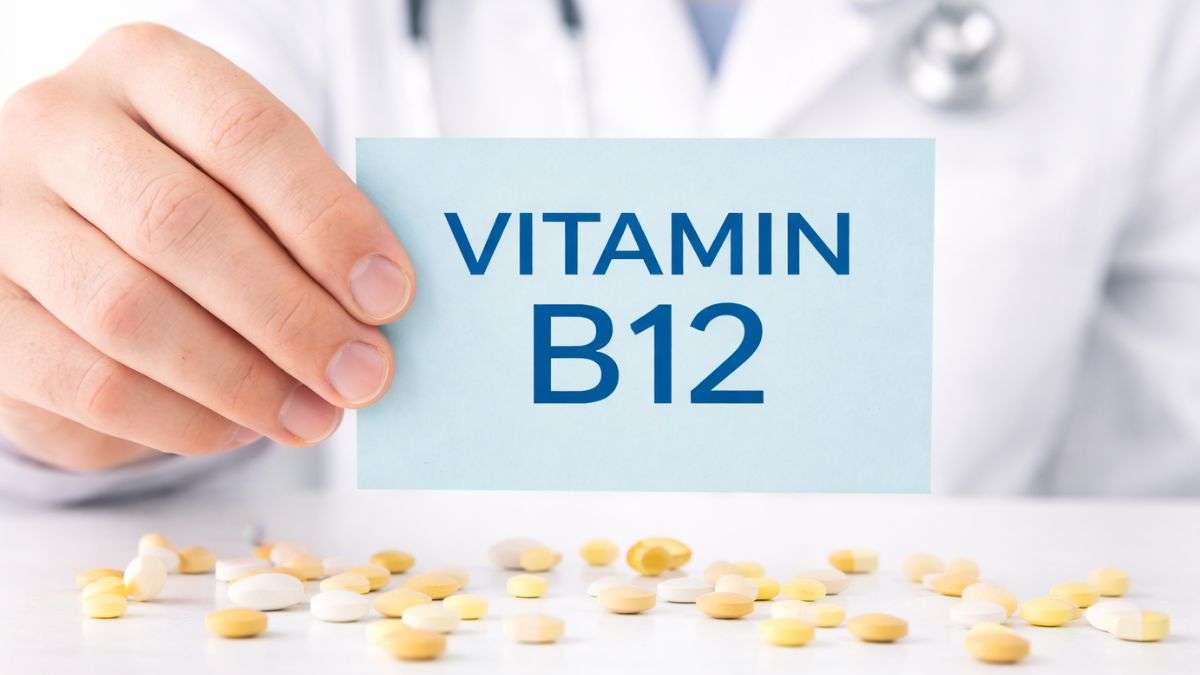
One of those key nutrients is vitamin B12. It is water soluble and contains cobalt, something the body needs but cannot produce on its own. In a recent Instagram post on April 6, Dr Shubham Vatsya, gastroenterologist and hepatologist at Fortis Hospital, Vasant Kunj, Delhi, spoke about how common B12 deficiency is in India and why it should not be ignored. He also outlined what it does in the body and how to maintain proper levels.
Why vitamin B12 deficiency is a serious issue
According to Dr Vatsya, this is often underestimated. Around 47 per cent of people in India are deficient in vitamin B12, and many do not even realise it.
Vitamin B12 plays a central role in:
- Formation of red blood cells
- DNA synthesis
- Protection of nerve cells
When levels drop, the body struggles to produce enough healthy red blood cells. This can lead to:
- Fatigue
- Weakness
- Pale skin
- Shortness of breath
But it does not stop there. B12 also helps maintain the myelin sheath, which is the protective covering around nerves.
A deficiency can therefore cause:
- Tingling in arms and legs
- Numbness
- Mood changes
- Memory issues
- Cognitive decline, including dementia
Why vegetarians may be at higher risk
Vitamin B12 is not naturally found in plant based foods. That makes it harder for vegetarians to meet their daily requirement through diet alone.
The main sources include:
- Eggs
- Milk
- Curd
- Fish
- Chicken
- Mutton
For those who do not consume animal products, fortified foods can help. Supplements are also an option, but only after consulting a doctor.
Other causes of vitamin B12 deficiency
Diet is not the only factor. Dr Vatsya points out that several other causes can contribute to low B12 levels:
- Low stomach acid
- Ageing
- Alcohol intake
These factors can affect how the body absorbs the vitamin, even if intake seems adequate.
Why testing and awareness matter
The symptoms of vitamin B12 deficiency are often ignored or mistaken for something else. That can delay proper treatment.
Dr Vatsya advises getting levels tested if symptoms appear and consulting a doctor when needed. Addressing the deficiency early helps protect both red blood cells and nerve health.
Small issue on the surface. But it can build up quietly if left unchecked.
Disclaimer: Tips and suggestions mentioned in the article are for general information purposes only and should not be construed as professional medical advice. Always consult your doctor or a dietician before starting any fitness programme or making any changes to your diet.
ALSO READ: Vitamin B12 deficiency symptoms: 5 signs of the condition that you should know