


A faunal survey conducted recently in the Karimpuzha Wildlife Sanctuary has added significantly to the biodiversity records of Kerala’s youngest protected area.
The survey, carried out from January 22 to 25 by the State Forest department with support from the Society for Tropical Ecology and Research (STEAR), Nilambur, and the Travancore Natural History Society (TNHS), Thiruvananthapuram, documented 171 bird species, 177 species of butterflies, and 42 species of odonates, with several recorded in the sanctuary for the first time.
Eight bird species newly recorded during the survey were the Grey heron, Grey-headed fish eagle, Tawny-bellied babbler, Blue rock thrush, Yellow wagtail, Eurasian hoopoe, Common hawk cuckoo, and Barn owl. With these additions, Karimpuzha has now documented 247 bird species across multiple surveys since its formation five years ago.
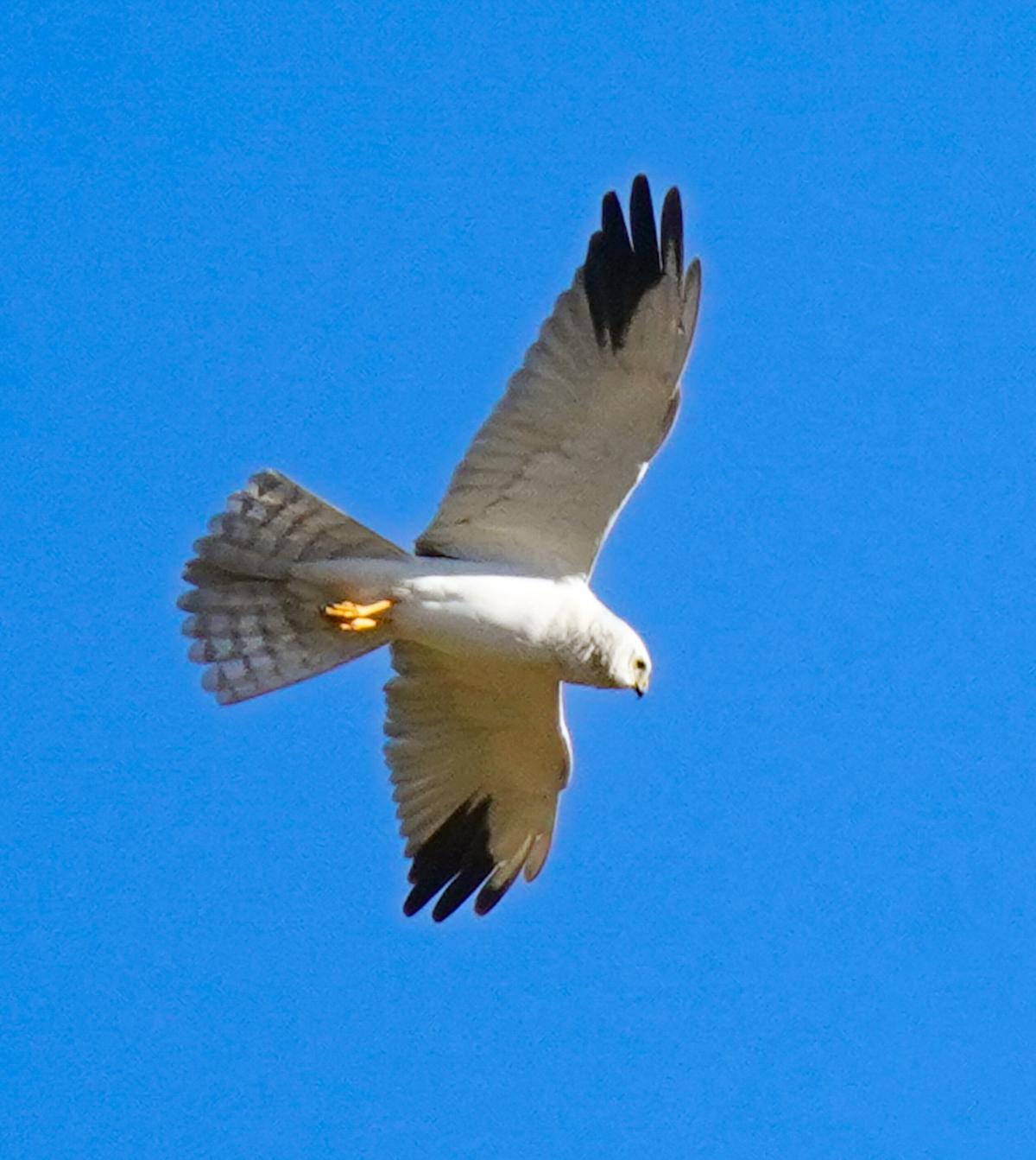
Pallid harrier
Butterfly surveys recorded 20 new additions, taking the sanctuary’s total butterfly diversity to 223 species. Noteworthy records included the Black angle, Common grass dart, Indian dartlet, Giant red-eye, Moore’s ace, Malabar flash, White-tipped lineblue, Red admiral, Yellow jack sailor, Small leopard, Common sailor, Black rajah, and Small grass yellow.
Researchers also observed notable altitudinal migration of butterflies, particularly the Common albatross, Lesser albatross, and Plain puffin, at locations such as Mukurthi, Meenmutty, Saivila, and Kannikai, indicating seasonal movement across elevation gradients.
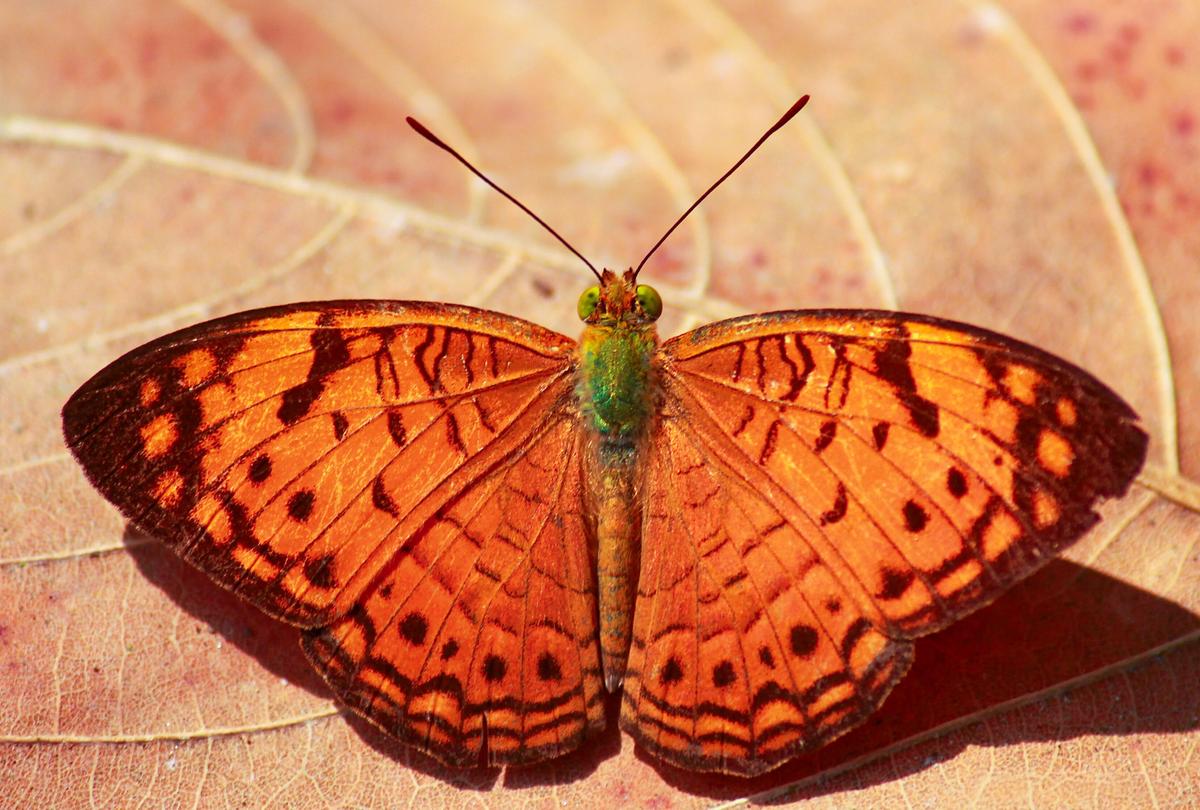
Sahyadri small leopard
The survey documented seven new odonate records, including Merogomphus tamaracherriensis, Potamarcha congener, Rhodothemis rufa, Tetrathemis platyptera, Urothemis signata, Ceriagrion coromandelianum and Ceriagrion rubiae. This brings the sanctuary’s total odonate count to 63 species.
In addition to birds, butterflies and odonates, the survey recorded several species of moths, 70 species of spiders and multiple freshwater fish species. “Encounters with elephant herds and other mammals further underscored the ecological integrity and habitat continuity of the sanctuary,” said Karimpuzha Wildlife Warden Dhanik Lal.
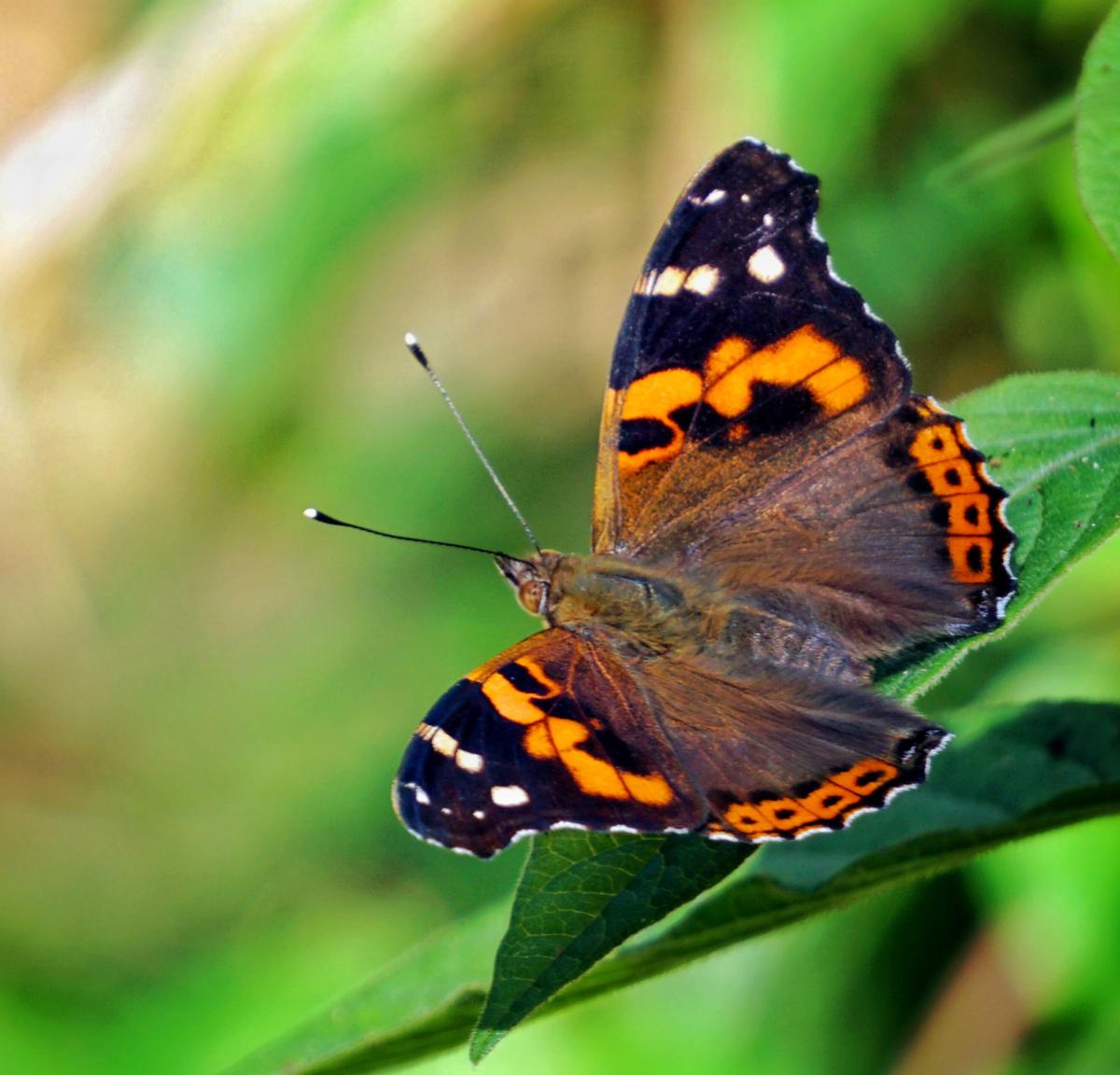
Sahyadri red admiral
“The findings will directly support future management, habitat protection and monitoring initiatives,” he said.
STEAR executive member Sabari Janaki said the collaborative effort involving researchers, NGOs and forest staff helped generate high-quality biodiversity data crucial for conservation planning.
The survey involved 42 participants from across south India and was conducted using eight base camps covering all major habitat types within the sanctuary.
Located in the Nilambur Forest Division and spread over 227.21 sq. km, Karimpuzha Wildlife Sanctuary was notified in 2020. Its diverse landscape, ranging from low-elevation forests to montane ecosystems, contributes to its rich biodiversity.
Published – February 02, 2026 09:22 pm IST



