

By using this site, you agree to the Privacy Policy and Terms of Use.
Accept
India Times NowIndia Times NowIndia Times Now
Notification Show More
Font ResizerAa
  • Bharat Shreshtha Ratna Sanman
  • India News
  • Categories
    • Technology
    • Entertainment
    • The Escapist
    • Insider
    • Finance ₹
    • India News
    • Science
    • Health
Reading: A ‘terrorist act’ is not just the finale, but the build-up of conspiracy and abetment too: SC judgment in Delhi riots case
Share
India Times NowIndia Times Now
Font ResizerAa
  • Bharat Shreshtha Ratna Sanman
  • India News
  • Categories
Search
  • Bharat Shreshtha Ratna Sanman
  • India News
  • Categories
    • Technology
    • Entertainment
    • The Escapist
    • Insider
    • Finance ₹
    • India News
    • Science
    • Health
Have an existing account? Sign In
Follow US

Home » A ‘terrorist act’ is not just the finale, but the build-up of conspiracy and abetment too: SC judgment in Delhi riots case

India News

A ‘terrorist act’ is not just the finale, but the build-up of conspiracy and abetment too: SC judgment in Delhi riots case

India Times Now Desk
Last updated: January 5, 2026 11:43 am
India Times Now Desk
Published: January 5, 2026
Share
SHARE


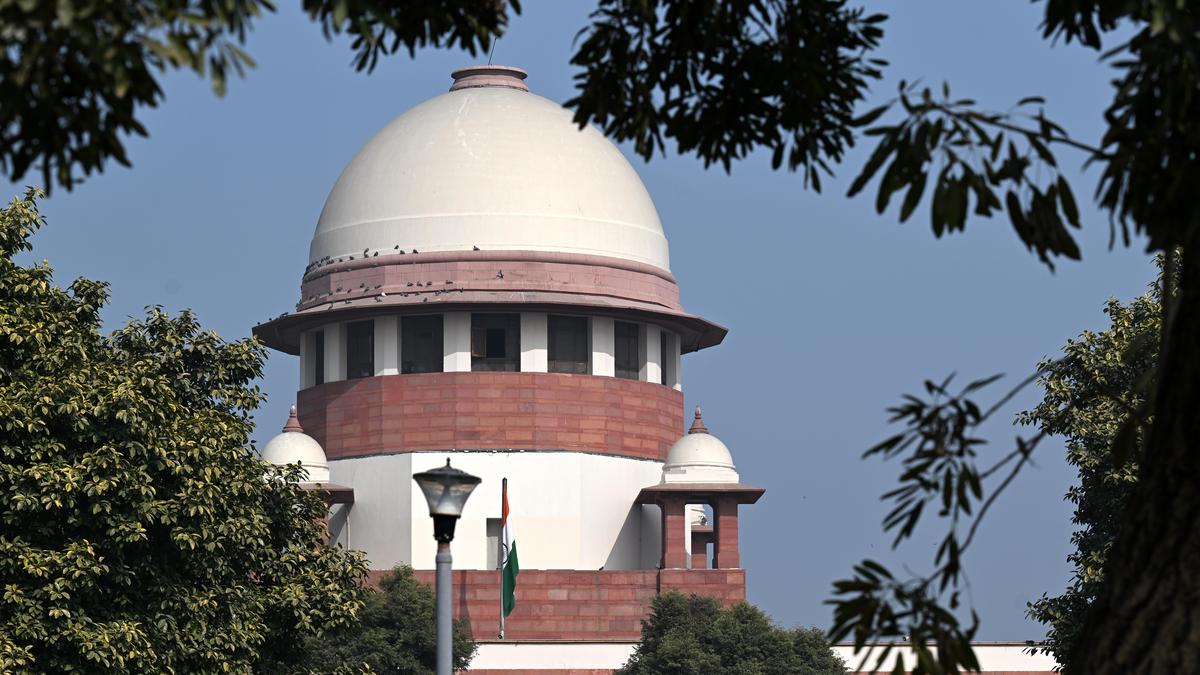
SC on Monday, January 5, 2026 denied bail to Umar Khalid and Sharjeel Imam, while it allowed the release of five other co-accused, including Gulfisha Fatima, Meeran Haider, Shifa Ur Rehman, Mohd. Saleem Khan and Shadab Ahmad.

SC on Monday, January 5, 2026 denied bail to Umar Khalid and Sharjeel Imam, while it allowed the release of five other co-accused, including Gulfisha Fatima, Meeran Haider, Shifa Ur Rehman, Mohd. Saleem Khan and Shadab Ahmad.
| Photo Credit: Shashi Shekhar Kashyap

The Supreme Court on Monday (January 5, 2026) interpreted that an ‘act of terror’ under the Unlawful Activities (Prevention) Act (UAPA) is not limited to the final flourish of violence but the build-up to it too.

A Bench headed by Justice Arvind Kumar, in its judgment on the bail pleas filed by the accused in the Delhi riots ‘larger conspiracy’ case, referred to Section 15(1)(a) of the 1967 Act to note the residuary phrase of “by another means” while defining acts of terror using “bombs, dynamite or other explosive substances or inflammable substances or firearms or other lethal weapons or poisonous or noxious gases or other chemicals or by any other substances (whether biological radioactive, nuclear or otherwise) of a hazardous nature…”

The statutory intent, the court said, was not to limit the definition of terror to the use of weapons.

“Confining Section 15 [terrorist act] to only conventional modes of violence will be to unduly narrow its ambit contrary to plain language,” Justice Kumar said.

One of the arguments raised by the petitioners in the riots case was that they did not participate in the actual acts of violence in February 2020. The Delhi Police had argued that they had conspired for a “regime change” through an armed rebellion and disruption of supply of essential commodities, amounting to ‘terrorist act’ under the UAPA.

The court said a ‘terrorist act’ under the UAPA extended to disruption of essential supplies leading to economic insecurity and destabilisation of civic life even if violence was not committed in the process.

The offences covered under the UAPA go beyond the ordinary offences and affect the security and integrity of the nation, Justice Kumar said. A terrorist act is not an isolated, solitary and final act; it was the culmination of “organised, sustained and conspiratorial activities unfolding over time”.

The court reasoned that getting bail under Section 43D(5) of the UAPA was more stringent than in any other ordinary criminal laws solely due to the distinctive nature of the offences under the Act. The usual presumptions (of innocence) in favour of the accused had been curtailed.

However, Section 43D(5) neither denies judicial scrutiny of a bail application nor does it mandate bail by default. Its stringent restrictions operate only if the court is convinced the accusations are “prima facie true” after a disciplined and structured scrutiny.

Besides, enquiry into allegations by a bail court was “accused-specific”, directed on the individual roles and attributes played by each of them. The role of an accused, to the bail court, must reflect a “real and meaningful nexus” to the terrorist act as distinguished from mere association or a peripheral presence, the Supreme Court said.

Published – January 05, 2026 05:13 pm IST


Source link

Cash stolen from car of former Sholingur AIADMK MLA
Nagpur Cyber Police register FIR against content creators over alleged defamatory campaign targeting Nitin Gadkari
CM condoles death of Umrah pilgrims in Saudi Arabia
Chennai Super Kings insists Sun TV should not interfere in efforts to obtain licence for using Jailer, Coolie songs in its promos
TTD land allotment for resort a grave sacrilege: CPI
TAGGED:delhi riot accused bailsupreme court on umar khalid bailUmar Khalid bailumar khalid sharjeel imam
Share This Article
Facebook Email Print
Leave a Comment

Leave a Reply Cancel reply

Your email address will not be published. Required fields are marked *

Follow US

Find US on Social Medias
FacebookLike
XFollow
YoutubeSubscribe
TelegramFollow

Weekly Newsletter

Subscribe to our newsletter to get our newest articles instantly!
[mc4wp_form]
Popular News

Karnataka government formation: 13 Cabinet Ministers to be sworn-in, G. Parameshwara to be Deputy Chief Minister

India Times Now Desk
June 3, 2026
Park Medi World, Nephrocare IPOs listing today: Here’s what GMPs suggest ahead of market debut
INDIA bloc to release poll manifesto on October 28; Rahul to join campaign
Women’s perspective needed across all areas of judiciary: High Court judge Anu Sivaraman
Telangana Cabinet clears Hate Speech and Parents Support Bills
- Advertisement -
Ad imageAd image
Global Coronavirus Cases

Confirmed

0

Death

0

More Information:Covid-19 Statistics
© INDIA TIMES NOW 2026 . All Rights Reserved.
Welcome Back!

Sign in to your account

Username or Email Address
Password

Lost your password?

