


Blood pressure is the force with which blood flows through the arteries as the heart pumps it throughout the body. This pressure is necessary to deliver oxygen and nutrients to vital organs such as the brain, kidneys, and liver. In cases where this force is always increased above normal, it is termed high blood pressure or hypertension. Over time, elevated pressure strains the heart and blood vessels, silently affecting overall health.
How Does It Happen?
High blood pressure is a developing condition. Emotional stress, irregular sleep, poor dietary habits, lack of physical activity, and excessive mental tension disturb the natural rhythm of the nervous system. Stress hormones are produced by the body when the mind is always on alert, and it causes the blood vessels to constrict and the heart rate to rise. This repeated constriction causes pressure within the arteries.
The passive lifestyle compromises circulation and shallow breathing cut down oxygen supply. The work of the heart is then increased to make up. Over time, this imbalance becomes chronic. The body is not designed to function under constant pressure; it seeks rhythm, flow, and calm coordination.
What are the Natural Ways it can be controlled?
According to Himalayan Siddhaa Akshar, author, columnist, and founder of Akshar Yoga Kendraa, yoga works gently yet powerfully by calming the nervous system, improving circulation, and enhancing lung capacity. The practices that are supportive and safe include the following when they are done with awareness:
Healing Walk
Healing Walk is an effective walking practice that enhances internal communication. Take a straight walk with arms raised at the level of your shoulders. Start 30 seconds, repeat five times, gradually increase duration. Neck and shoulder compression enhances lung capacity, strengthens nerves, improves circulation, and supports organ efficiency, vitality, emotional balance, and positive thinking.
Dandasana (Staff Pose)
Dandasana is a lesson of stillness and alignment. Seated erectly with legs straight functions to stimulate the spine and enhance the posture. Breathing becomes more profound and effective when the spine is stable. This position improves circulation and the strength of the abdominal organs, thereby assisting them in controlling internal pressure naturally.
Vrikshasana (Tree Pose)
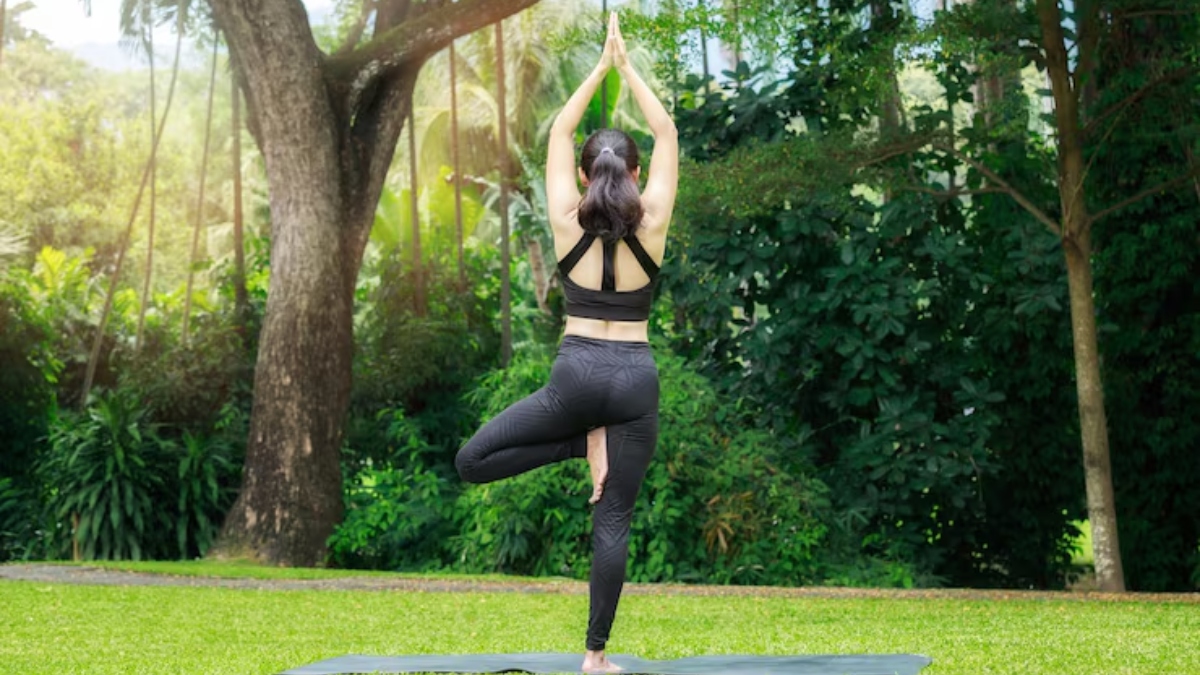
Vrikshasana cultivates balance and focus. The nervous system is trained to stay calm when it gets challenged, as it stands on one leg and takes steady breaths. Mental restlessness reduces with the enhancement of stability. Lower levels of mental agitation contribute to healthy blood pressure directly.
Vajrasana (Thunderbolt Pose)
Vajrasana is a posture of grounding; it is carried out by sitting on the heels. It enhances digestion and pacifies the nerves. Gentle, rhythmic breathing in this pose soothes the heart rate and relaxes blood vessels, supporting long-term cardiovascular balance.
Savitriasana
Savitriasana promotes expansion of the chest, and the breathing is controlled. Such a position improves the intake of oxygen and the optimisation of respiration. As breathing becomes slower and fuller, the parasympathetic nervous system activates, reducing stress-driven pressure fluctuations.
Hypertension does not require panic, but it requires awareness and discipline. Through consistent yoga practice, balanced nutrition, mindful breathing, and emotional steadiness, the body gradually restores harmony. Minute attempts make a great change.
Once the breath becomes quiet, so does the heart. In the case when the mind is steady, pressure is less. Yoga reminds us that health is not forced — it is cultivated with patience, balance, and conscious living.



