


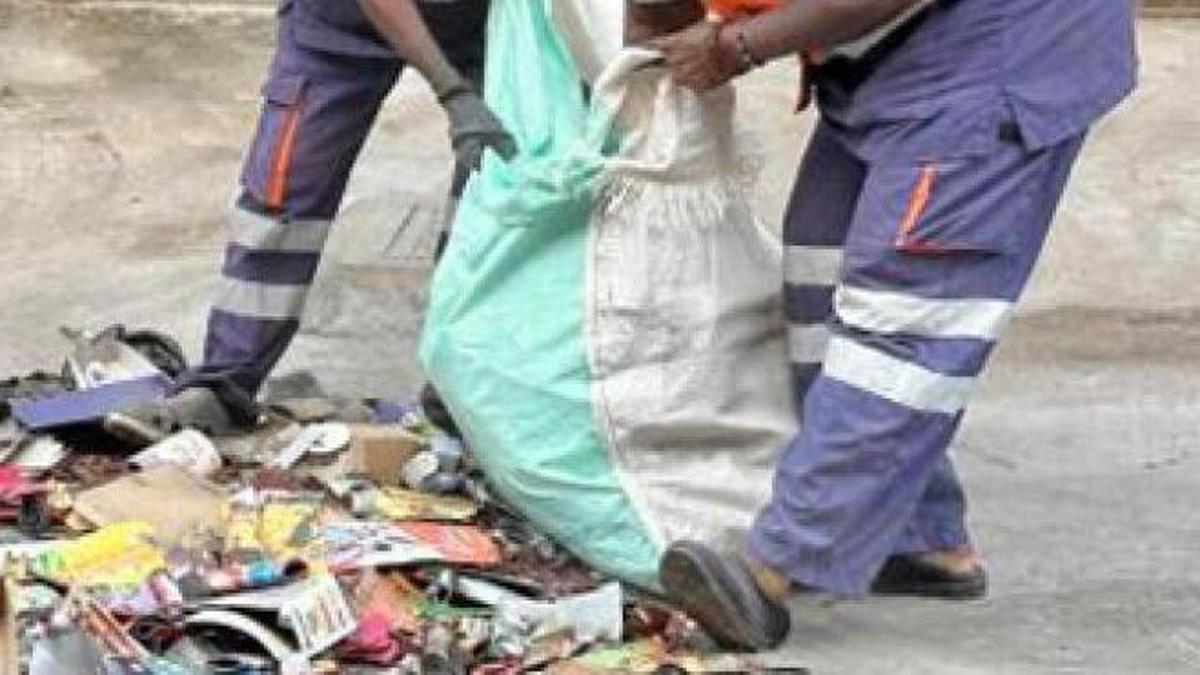
DoPT regulations on direct recruitment to all groups of posts in the Central government require reserving 15% of seats for SCs, 7.5% for STs, 27% for OBCs, and 10% for Economically Weaker Sections. File image used for representation only.
| Photo Credit: Special Arrangement
More than 76% of Group C safai karmacharis employed across the central government come from Scheduled Caste (SC), Scheduled Tribe (ST), or Other Backward Classes (OBC) backgrounds, data on reservations from the Department of Personnel and Training’s (DoPT) latest annual report for the year 2024-25 showed.
The report, released last week, further showed that among all Group A posts in Central government Ministries and Departments, 14.20% were held by SCs, 6.54% by STs, and 19.14% by OBCs.
DoPT regulations on direct recruitment to all groups of posts in the Central government require reserving 15% of seats for SCs, 7.5% for STs, 27% for OBCs, and 10% for Economically Weaker Sections.
The DoPT annual report 2024-25 data on the representation of SC, ST, and OBC employees in the Central government showed that in Group C (excluding Safai Karmacharis) posts, 16.75% were SCs, 8.94% were STs, and 27.29% were OBCs. In Group B posts, SCs comprised 16.20%, STs 7.63%, and OBCs 21.95%.
Overall, among the 32.52 lakh central government employees across 80 Ministries and Departments that the latest report accounted for, the representation of SCs was at 16.84%, that of STs was 8.70%, and that of OBCs was 26.32%. However, the report does not provide any data on the representation of EWS employees in the Central government. The DoPT said that this data is for Central government employees as of January 1, 2024.
This is the first time since its 2018-19 annual report that the DoPT has put out data on the representation of SCs, STs, and OBCs across most of its Ministries and Departments. In annual reports from 2019 onwards, the DoPT has been accounting for partial data on Central government employees, showing representation figures for a total of around 19-20 lakh employees. In statements to Parliamentary committees, the DoPT has said that this shortfall had been occurring because not all Ministries and Departments were able to provide the data in time.
Compared to the representation figures from 2018-19 for central government employees, the last time when over 32 lakh employees were accounted for across 78 Ministries and Departments, the overall representation of SC staffers went down from 17.49% to 16.84%, that of ST staffers went up slightly from 8.47% to 8.94%, and that of OBC staffers saw the highest increase from 21.57% to 26.32%.
Across Groups A, B, and C, the highest increase in representation was seen among OBCs compared to the figures from 2018-19, while the representation of SC and ST groups remained around the same.
Published – January 28, 2026 09:19 pm IST



