


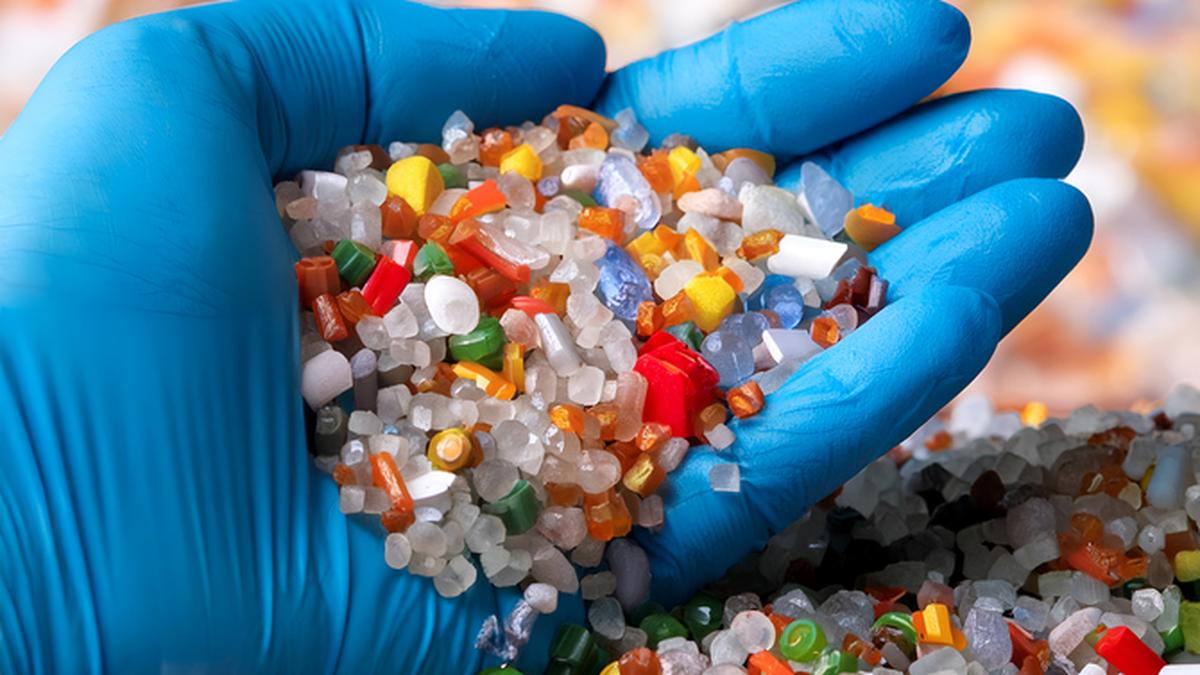
Representative image.
| Photo Credit: Getty Images/iStockphotos
The government on Thursday (April 2, 2026), exempted import of critical petrochemical products from customs duty, in an attempt to provide relief to petrochemical industry amid the ongoing war in West Asia.
In a statement issued by Finance Ministry, it has said that the full Customs Duty exemption on critical petrochemical products will remain implemented till 30th June, 2026.
Follow | Iran-Israel War LIVE updates
The statement said that the exemption is expected to benefit a wide range of sectors dependent on petrochemical feedstock and intermediates, including plastics, packaging, textiles, pharmaceuticals, chemicals, automotive components and other manufacturing segments. This will also provide relief to consumers of final products.

The Finance Ministry said, “This measure has been taken as a temporary and targeted relief in order to ensure continued availability of critical petrochemical inputs for domestic industry, reduce cost pressures on downstream sectors, and safeguard supply stability in the country.”
The goods on which the customs duty have been exempted include Methanol, Anhydrous ammonia, Toluene , Styrene, Dichloromethane (methylene chloride), Vinyl chloride monomer, Poly butadiene, Styrene butadiene and Unsaturated polyester resins.
The West Asian war continues to impact supply of key raw material mainly crude oil.

Industry officials said the prices of polymers, derived from crude oil and natural gas, has risen by 50 to 60% after starting of Israel-Iran war creating concern and margin pressure.

The Union government on March 27, 2026, reduced the Special Additional Excise Duty (SAED) on petrol and diesel by ₹10 per litre each, effectively bringing the duty on diesel to zero and on petrol to ₹3/litre. The government said the duty cut — implemented through a notification by the Ministry of Finance — was aimed at reducing the fiscal hit that oil marketing companies are absorbing due to high and rising oil prices.
Since the United States and Israel launched military strikes against Iran on February 28, triggering sweeping retaliation from Tehran, many petrochemical facilities in both the Iran and Gulf countries were hit, causing major global fuel crisis.
(With inputs from PTI)
Published – April 02, 2026 09:59 am IST



