


The Siddi Badsha community, with its roots in Africa, thrives today in Jambur and Shirvan — two villages in the Sasan Gir region of Gujarat. Shirvan lies within the Gir forest.
Studies suggest that the Siddis were brought to India by the Portuguese to work for the King of Junagadh 300 years ago. The king, it is said, was impressed by their exceptional strength and endurance. He bestowed upon them the name “Siddi Badshah”, meaning “kings of labour”.
Members of the community are said to have assisted the king in tracking Asiatic lions in the forests of Sasan Gir. Owing to their natural adaptation to jungle life, they eventually chose to settle there permanently. The king later allotted them land in Jambur village, located on the banks of the Saraswati river, which became a predominantly Siddi settlement.
“Our genes are different. We are stronger, our endurance is exceptional, and our age is difficult to judge because we are born to survive in the jungle,” said Sadik Ahmad Makwana, president of the Talala Adivasi Seva Sangh. The physical features of the Siddi resemble those of their African ancestors, including curly hair and skin tone. They are adept at a unique, high-energy dance form (Dhamal) that traces its roots to East Africa.
Mr. Makwana said that Asiatic lions have never attacked members of the Siddi Badshah community, as both understand and respect each other’s habitats. “The lions sense that the Siddi community protects them and never intends harm,” he said.
While most men work as labourers and women manage households, several members of the community serve in the Indian Army and Navy. The Siddis are also highly skilled in sports. Seven members of the community have won international gold medals in judo.
Training is conducted at the Talala Taluka Adivasi Seva Sangh Ashram Shala in Jambur, where around 90 boys and girls are currently being coached. “We need better sports infrastructure and proper grounds so that we can excel in other sports as well,” said Shahid, a local member of the Siddi Badshah community.
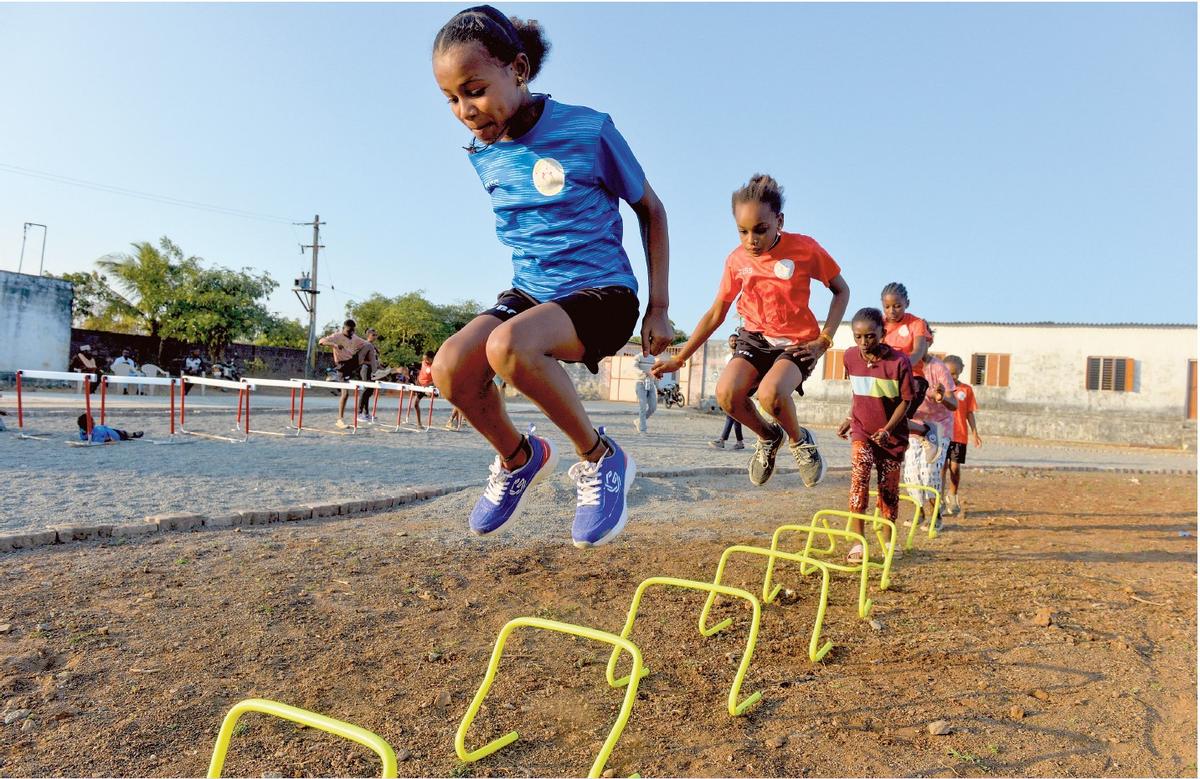
Photo:
Vijay Soneji
On track: Students of the Adivasi Ashram Shala practise jumps at the school, where many Siddi Badshah youth train for competitive sports.
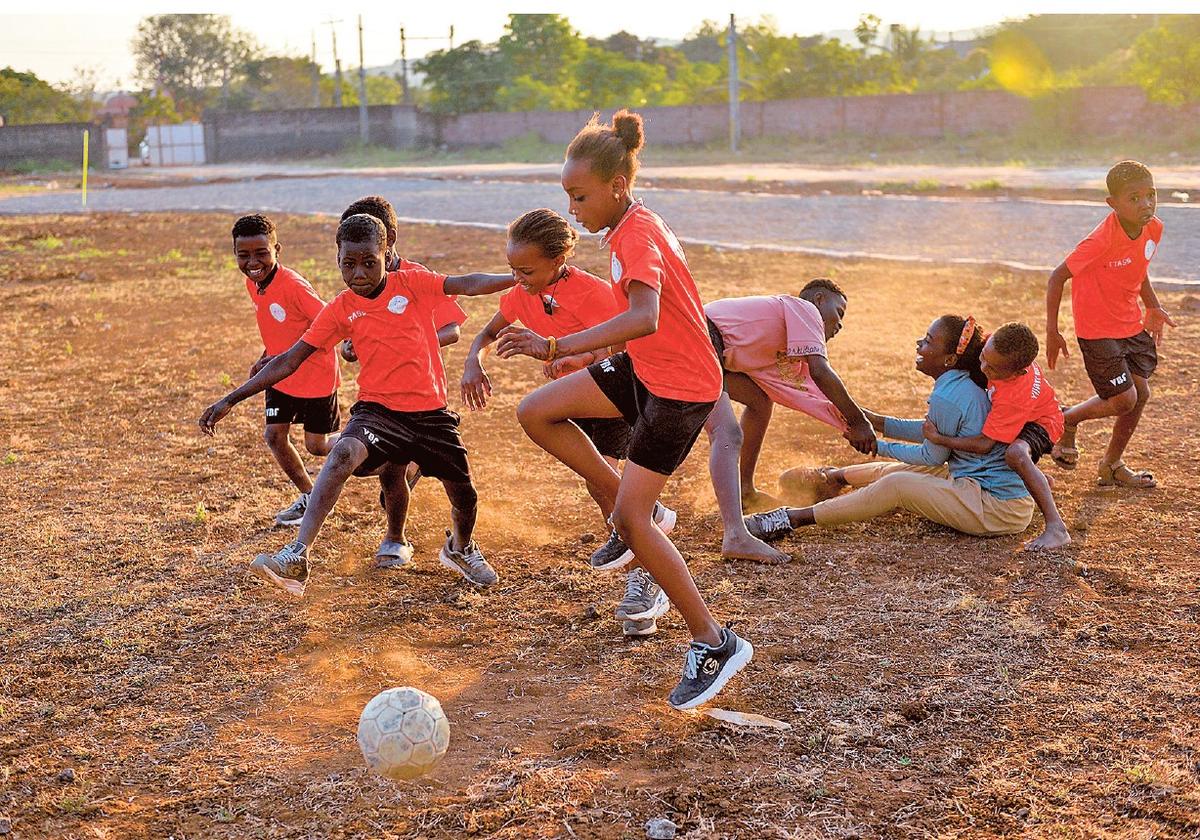
Photo:
Vijay Soneji
Chasing gold: Young athletes during a training session at the Adivasi Ashram Shala.
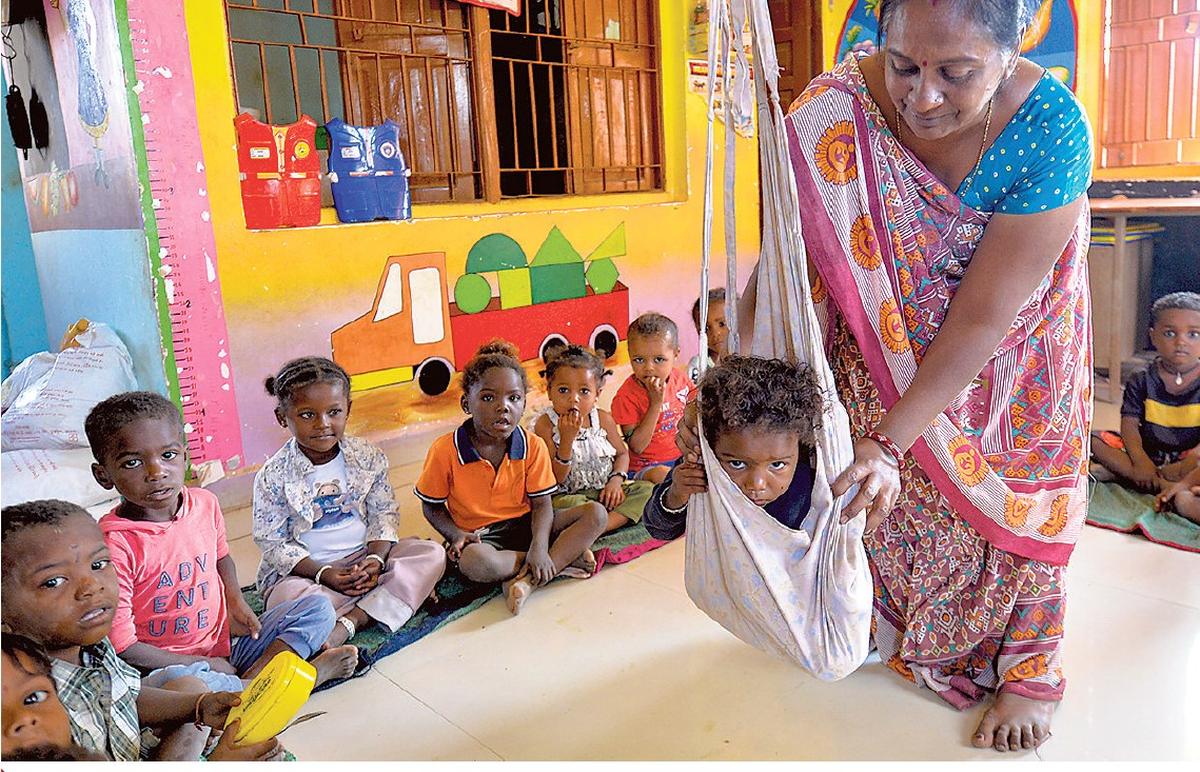
Photo:
Vijay Soneji
First step: An anganwadi worker weighs a Siddi Badshah child during a routine health check at Jambur village in Sasan Gir
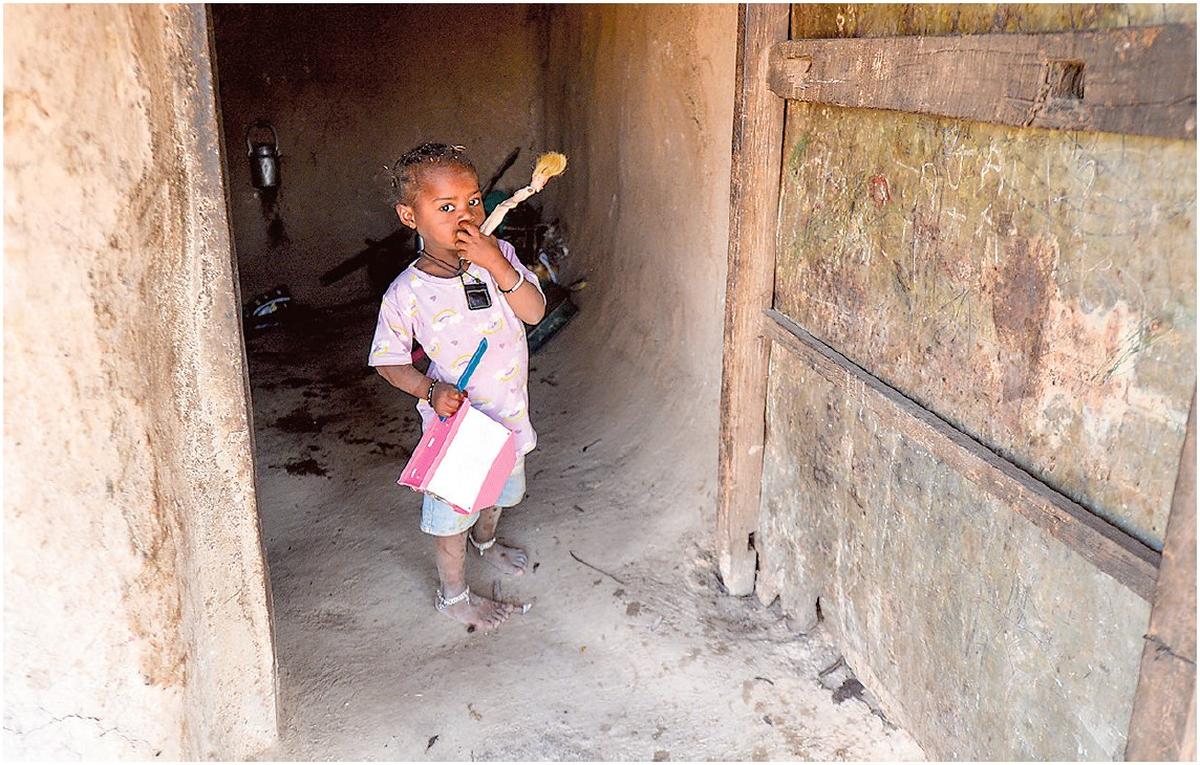
Photo:
Vijay Soneji
Little dreams: A Siddi Badshah child with her doll in a hut at Jambur village, a predominantly Siddi settlement.
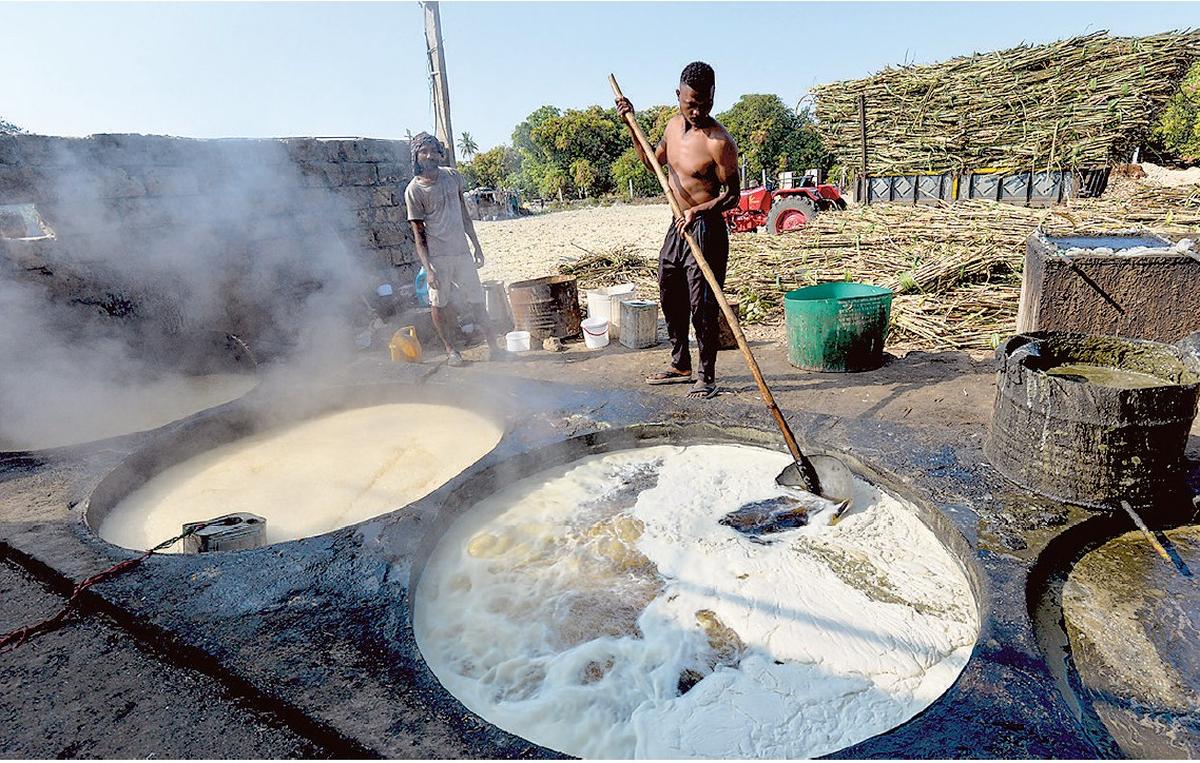
Photo:
Vijay Soneji
Hard at work: A young member of the community works at a jaggery unit on the outskirts, supporting his family through daily labour.
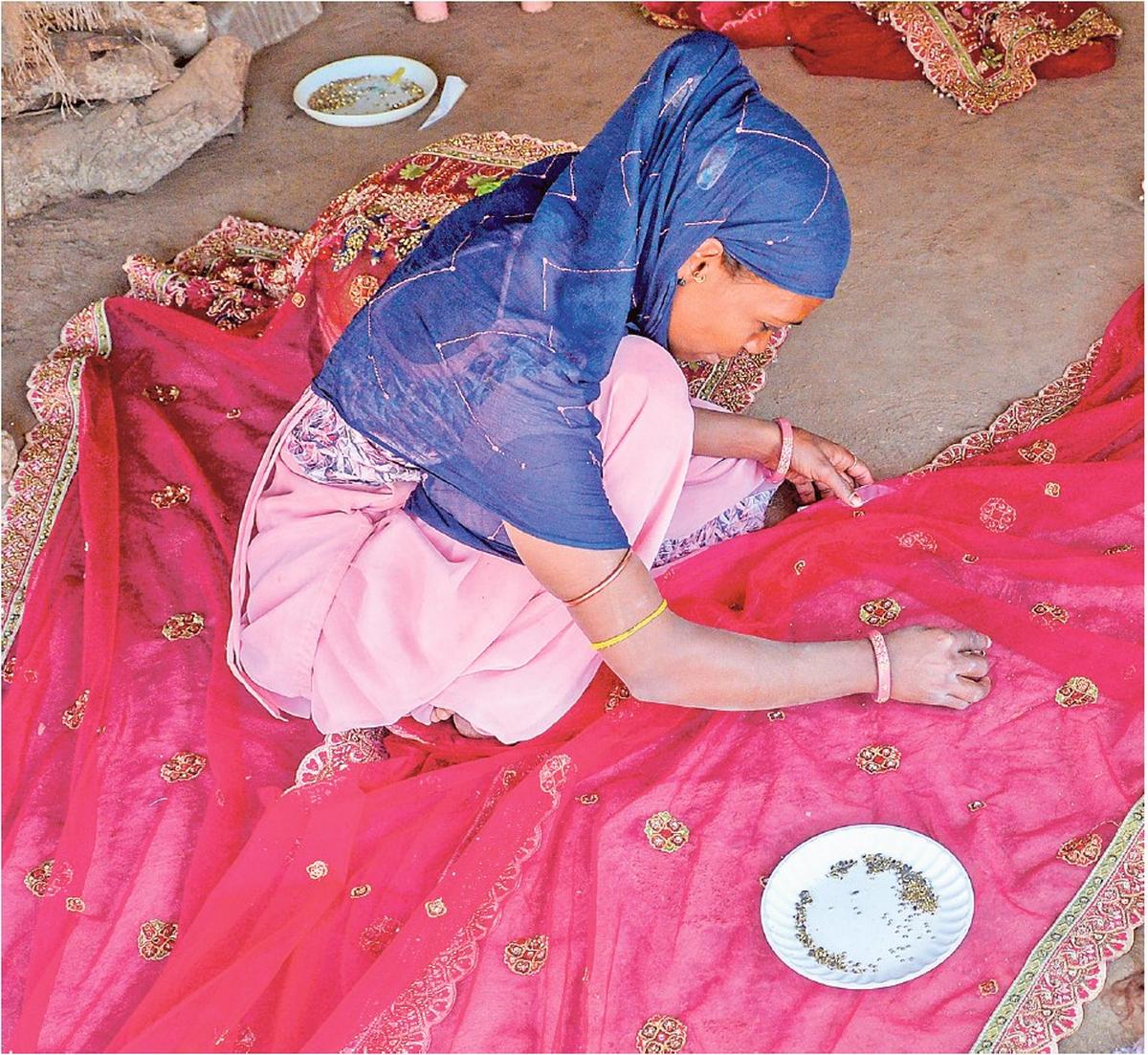
Photo:
Vijay Soneji
Intricate art: A woman stitches embroidery on a sari at her home.
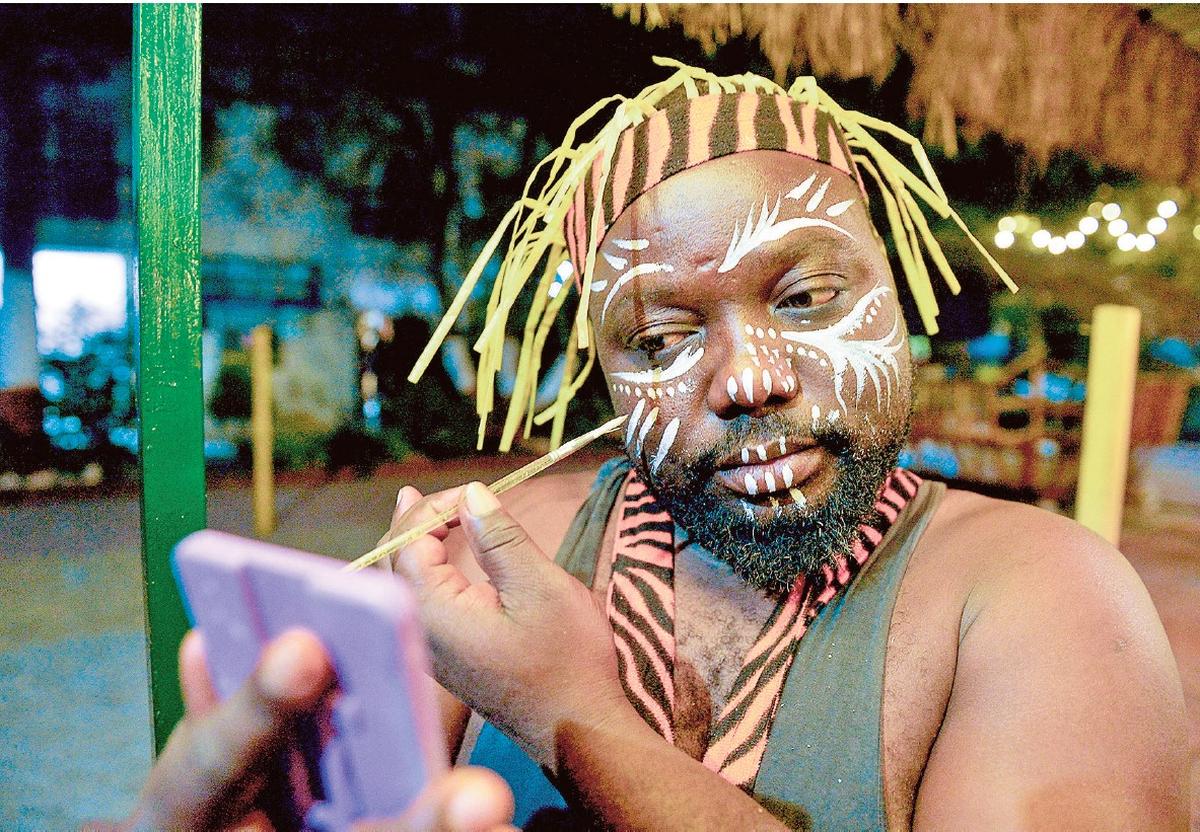
Photo:
Vijay Soneji
Before the beat: A performer paints face before presenting the traditional Dhamal (folk dance form) for tourists at a resort.
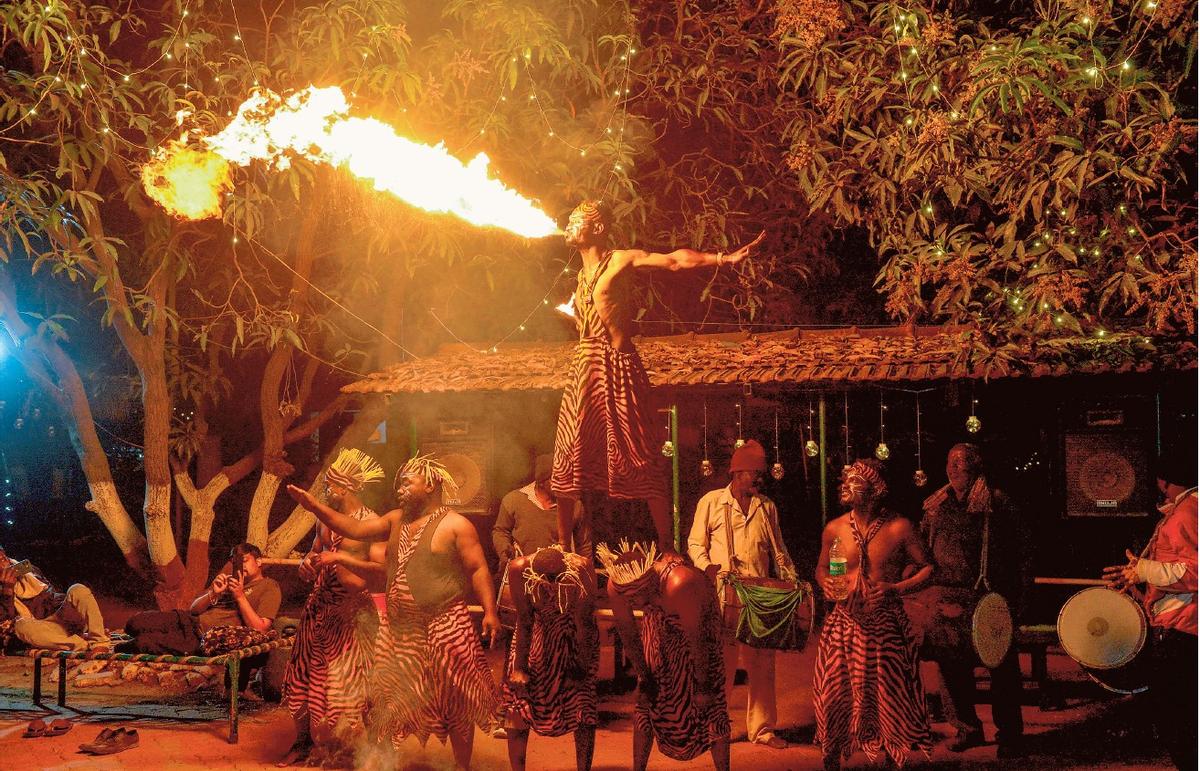
Photo:
Vijay Soneji
Rhythm and fire: The community members perform the high-energy Dhamal dance, rooted in African tradition, at a resort near Gir.
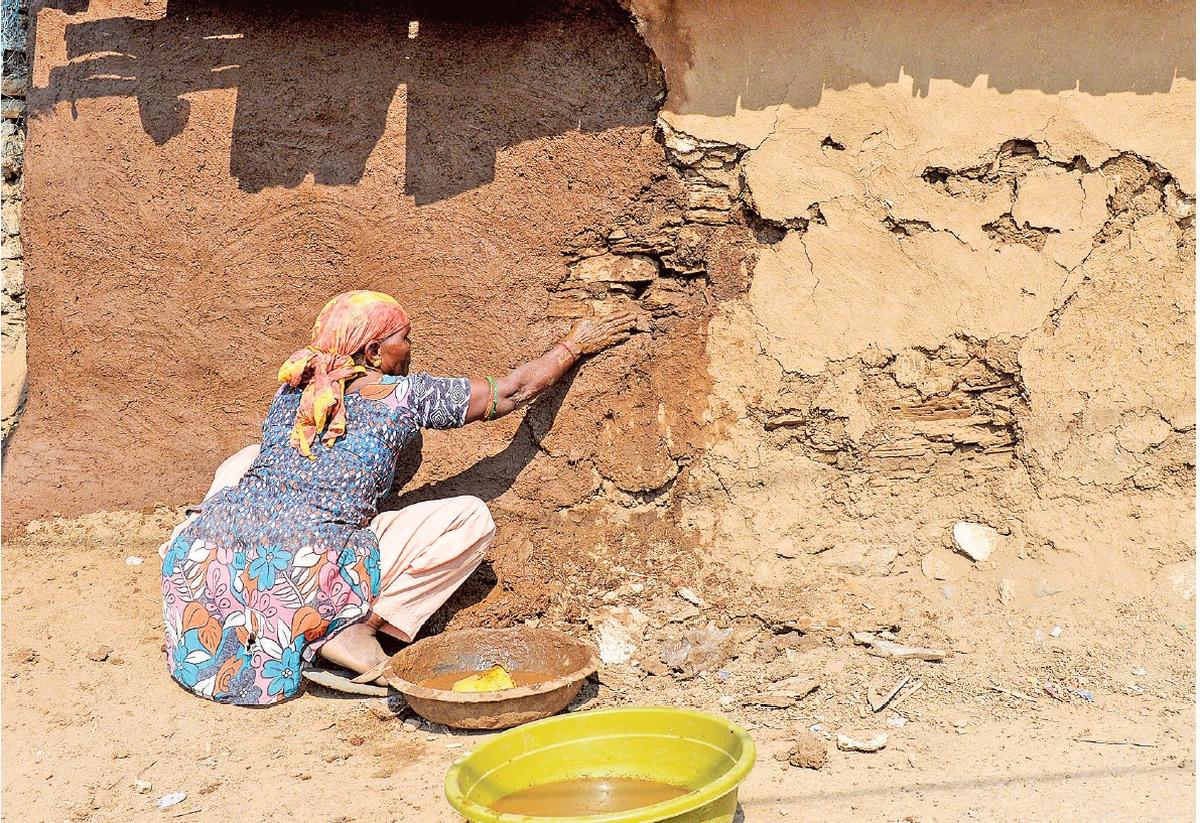
Photo:
Vijay Soneji
Final touch: A Siddi Badshah woman repairs the walls of her hut with cow dung in Shirvan village.
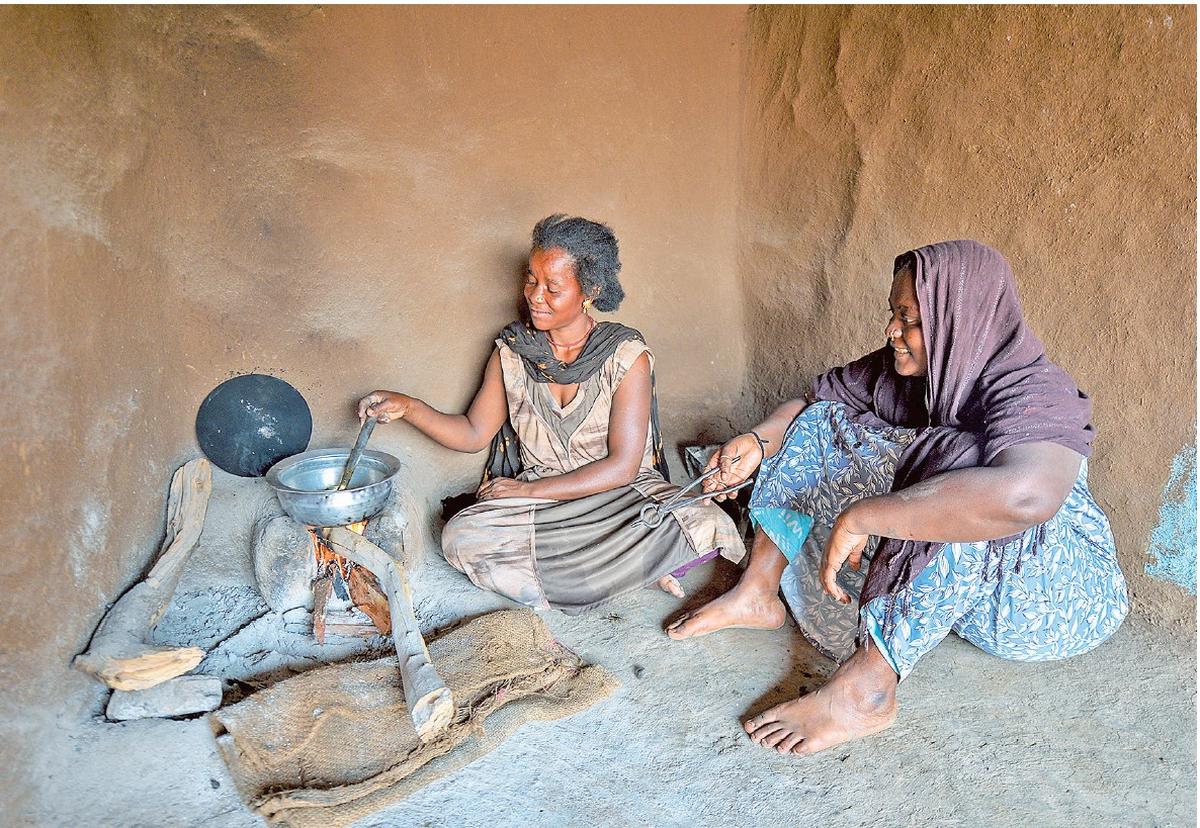
Photo:
Vijay Soneji
Daily bread: Women prepare the evening meal inside their hut in Shirvan village.
Published – January 25, 2026 09:02 am IST



