

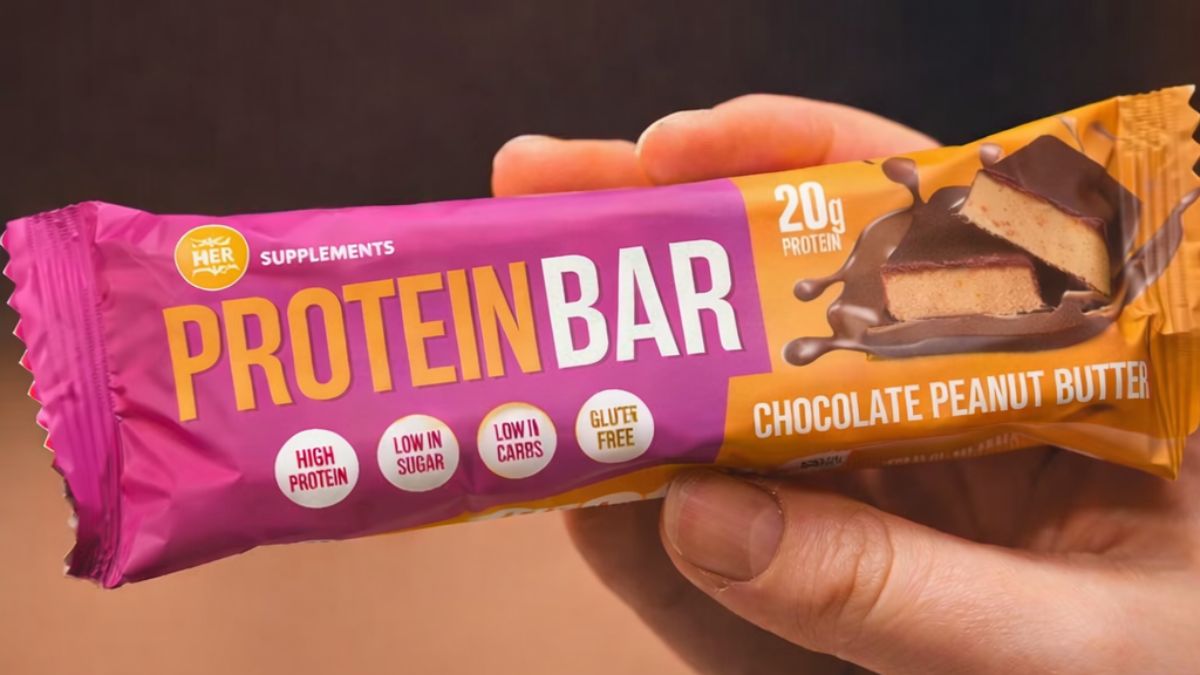

- High-protein snacks are a quick fix for meeting daily protein targets, but they may come with hidden downsides. Lifestyle coach Luke Coutinho flags three “garbage ingredients” commonly found in packaged protein products that can harm gut health, trigger inflammation and disrupt blood sugar balance.
- Palm oil
- Refined flour and processed carbs
- Artificial sweeteners
High-protein snacks are a quick fix for meeting daily protein targets, but they may come with hidden downsides. Lifestyle coach Luke Coutinho flags three “garbage ingredients” commonly found in packaged protein products that can harm gut health, trigger inflammation and disrupt blood sugar balance.
Protein has become the golden child of healthy eating. Everyone talks about it. Every label screams it. More protein, better body, stronger muscles. Or so it seems. But according to integrative lifestyle expert Luke Coutinho, the obsession may be doing more harm than good.
Taking to Instagram on January 19, Luke said that focusing only on protein numbers could actually be increasing inflammation, disturbing gut health and messing with blood sugar levels, especially among Indians. What people eat to “get fit” or build muscle may, in some cases, end up adding body fat instead.
“We’re all obsessed with hitting the magic protein number,” Luke said. “It’s like the holy grail for muscle, energy and cellular repair. But in the rush to chug shakes and devour ‘high protein’ bars and snacks… Most of you are completely blind to the garbage ingredients hiding in them.” He then pointed to three ingredients commonly found in protein bars and snacks that are, as he put it, “quietly sabotaging” the body.
Palm oil
Palm oil, or palm kernel oil, shows up in many protein bars and packaged snacks. It helps with texture and shelf life. Convenient, yes. Helpful, not really. Luke explained that palm oil is high in saturated fats and can raise LDL cholesterol, increasing the risk of heart disease. He also warned that processed forms “may contain contaminants linked to organ toxicity and even cancer risks”.
His suggestion was simple. Skip the packaged stuff where possible. Stick to whole foods instead. Paneer, yoghurt, beans, lentils with grains, eggs and even chicken liver. Boring, maybe. But cleaner.
Refined flour and processed carbs
A lot of “high-protein” snacks rely on refined wheat or similar flours as fillers. Luke called this out directly. “Stripped of fibres, vitamins or minerals, they spike blood sugar fast, promote fat storage, and drive low-grade inflammation,” he said.
In his view, many of these snacks are basically “glorified candy bars”. They irritate the gut, spike insulin and work against cellular health rather than supporting it.
Artificial sweeteners
Sucralose, aspartame and acesulfame K are often marketed as zero-calorie and guilt-free. Perfect for protein products. On paper. Luke disagrees. “Studies link them to disrupted gut microbiome, altered metabolism, increased cravings, and even higher risk of metabolic syndrome and inflammation,” he said.
These sweeteners can confuse the body’s natural hunger signals. You feel hungrier. You crave more. Fat storage increases quietly. Luke’s larger point was not to demonise protein, but to stop worshipping it blindly. Instead of being fixated on front-of-pack protein claims, he urged people to actually read ingredient lists.
Whole, minimally processed foods still win. Grass-fed meat, eggs, fish, nuts, soy, lentils, legumes, cereals and dairy. If supplements are unavoidable, he advised choosing ones without inflammatory fillers.
ALSO READ: 5 protein myths you still believe, debunked by Ranbir Kapoor’s fitness trainer



