


Fibre does not get the glamour that protein does. Or the drama that carbs and fats attract. But quietly, it does a lot of heavy lifting inside the body. Digestion. Blood sugar balance. Cholesterol. Even gut bacteria health. According to the NHS, adults should aim for around 30 grams of fibre a day. Most people fall short.
Vegetables are the usual go-to suggestion. Eat more greens. Add another serving. But not everyone enjoys them, and cutting back on veg often means fibre intake drops too. In an Instagram post dated February 22, Dr Saurabh Sethi, a California-based gastroenterologist trained at AIIMS, Harvard and Stanford, shared 10 fibre-rich foods that are not vegetables and can help bridge that gap.
10 high-fibre foods that are not vegetables
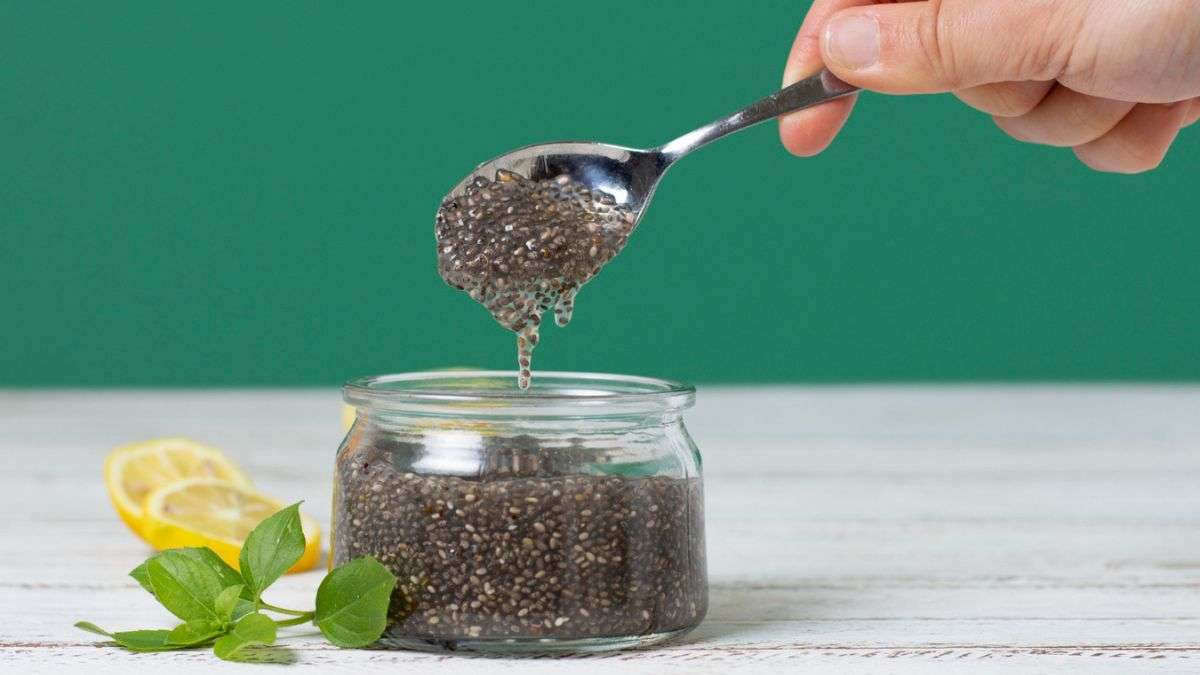
1. Chia seeds
Two tablespoons offer about 10 grams of fibre. Best soaked overnight. Not eaten dry.
2. Flaxseeds
Two tablespoons contain around 5 to 6 grams of fibre. Grinding them improves absorption and health benefits.
3. Lentils
Half a cup of cooked lentils provides roughly 8 grams of fibre. They also double up as a strong plant protein source.
4. Chickpeas (chana)
Half a cup delivers about 6 grams of fibre. Another fibre-plus-protein combination.
5. Raspberries
One cup contains close to 8 grams of fibre. Fresh or frozen, both work.
6. Blackberries
One cup gives around 7.5 grams of fibre. Almost as fibre-dense as raspberries.
7. Pear (with skin)
One medium pear, eaten with the skin on, offers 5 to 6 grams of fibre.
8. Oats (steel-cut or rolled)
Half a cup of dry oats provides about 5 grams of fibre. Oats contain beta-glucan, a soluble fibre linked to lower cholesterol and improved heart health.
9. Quinoa
One cup of cooked quinoa adds roughly 5 grams of fibre to the plate.
10. Black beans
Half a cup of cooked black beans provides around 7.5 grams of fibre, alongside solid plant protein.
Why fibre matters
Fibre supports bowel regularity, stabilises blood sugar, and may help reduce cholesterol levels. It also feeds beneficial gut bacteria. Yet, many diets remain protein-heavy and fibre-light.
The solution is not necessarily forcing more vegetables onto your plate. Sometimes it is about small swaps. Adding seeds to yoghurt. Choosing oats over refined cereals. Tossing beans into salads. Incremental changes. They add up.
Hitting 30 grams a day is less about restriction and more about awareness. Fibre is quiet. But it shows up when you need it.
Disclaimer: Tips and suggestions mentioned in the article are for general information purposes only and should not be construed as professional medical advice. Always consult your doctor or a dietician before starting any fitness programme or making any changes to your diet.
ALSO READ: Fibre-rich foods for piles: Natural relief with fruits, veggies, whole grains and more



