


According to officials, the panel, which is headed by the Union Expenditure Secretary, has advised the Delhi and Haryana governments to work in synergy to adopt value capture financing (VCF).
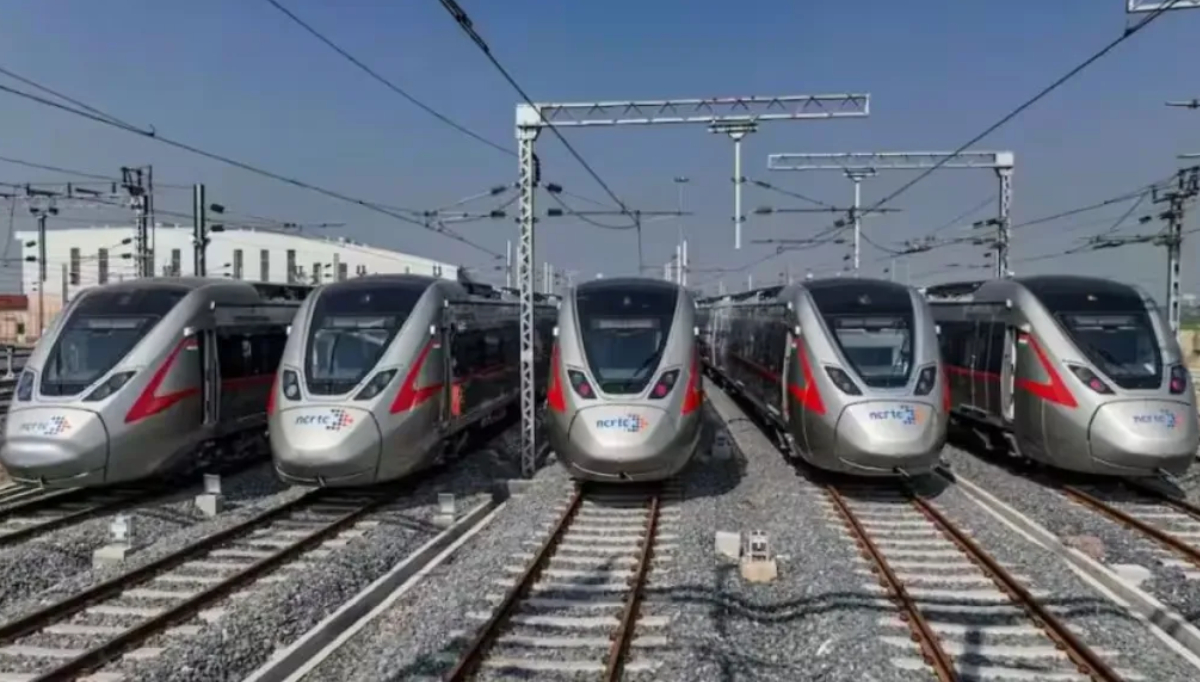
The Public Investment Board (PIB), in a significant development, has given its approval for two Namo Bharat (RRTS) corridors, aimed at connecting Delhi to Karnal, Panipat, Sonipat, Rewari, and Gurgaon. Following PIB’s approval, which is an inter-ministerial panel at the Centre, the project will now move to the Union Cabinet for final approval. Notably, the project is slated to incur a cost of Rs 65,000 crore.
The PIB’s approval for the proposals is significant, as the green signal was pending for a long time, given funding disagreements between the previous AAP government in Delhi and the Centre. As the project gets clearance, it marks a crucial step toward improving regional connectivity as well as curtailing the travel time across the National Capital Region (NCR).
Estimated budget for rapid rail corridors
According to the proposal put forward by the housing and urban affairs ministry, the 93-km Sarai Kale Khan–Bawal RRTS corridor will require a budgetary outlay of Rs 32,000 crore, while the second corridor, running for a distance of 136 km between Sarai Kale Khan and Karnal, is expected to incur an estimated cost of Rs 33,000 crore.
According to officials, the panel, which is headed by the Union Expenditure Secretary, has advised the Delhi and Haryana governments to work in synergy to adopt value capture financing (VCF). Under this model, governments are enabled to fund public projects by tapping into the rise in private land values that primarily occurs due to public infrastructure development.
Transit-oriented development
Moreover, the participating states have also been suggested to adopt and promote transit-oriented development (TOD). This model significantly supports planned and intensive urban development around transport hubs, as well as being instrumental in establishing Urban Metropolitan Transport Authorities (UMTAs).
Currently, the Ministry of Housing and Urban Affairs is undertaking a revisit to the TOD policy. This exercise is aimed at ensuring proper integration of infrastructure and urban growth along key transport corridors.



