


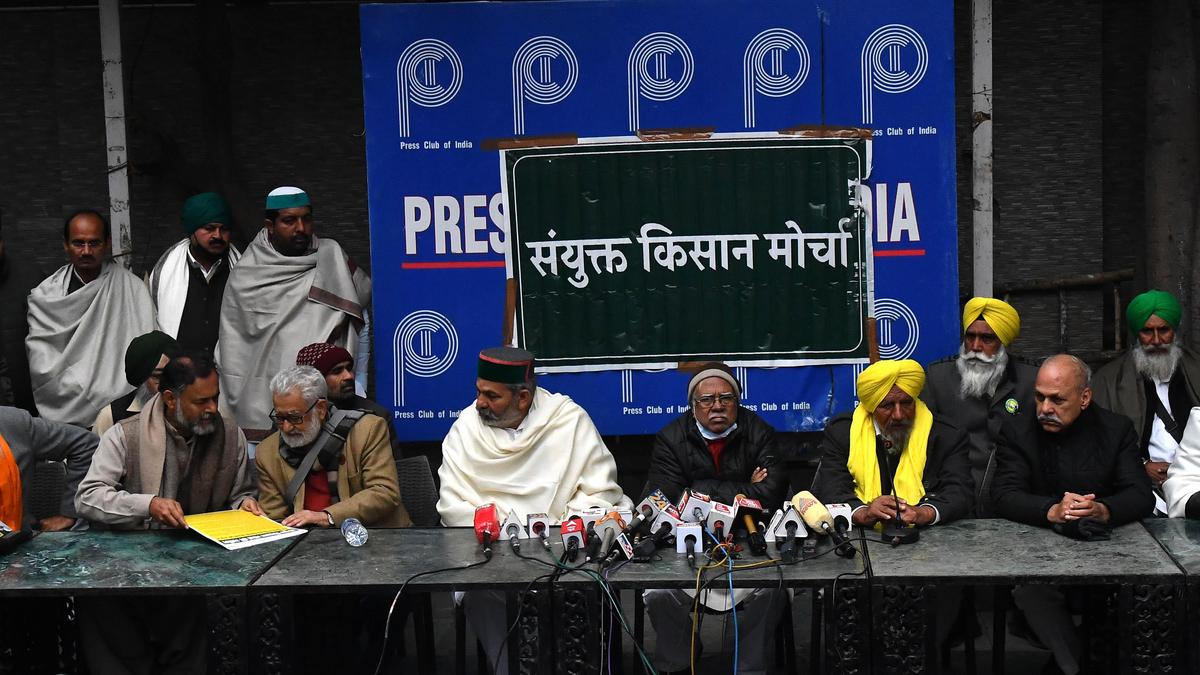
Image used for representational purposes only.
| Photo Credit: Shiv Kumar Pushpakar
Exporters of agricultural products, fisheries, and seafood were relieved after the announcement of the trade deal between India and the United States, but farmers expressed concern about the possible import of crops such as soybean, cotton, maize, and wheat, and trade unions warned that the deal would hurt Indian industries and workers.
Exporters, however, sounded relaxed. “We are back in the business now,” Alex Ninan of the Seafood Exporters Association of India (SEAI) told The Hindu. From April to November 2025, seafood exports dropped 6.3% in value terms and almost 15% in quantity terms in comparison to the same period of the previous year, due to the high U.S. tariffs of 50% from August 2025 onwards, said SEAI president G. Pawan Kumar. “We are confident that with the conclusion of the trade deal and lowering of tariffs to 18%, quantum of export of seafood from India to USA will show an increase and soon reach back to the previous levels,” Mr. Kumar said.
‘Bowing to U.S. dictates’
On the other hand, the Samyukt Kisan Morcha (SKM), an umbrella group of farm outfits, termed the deal a “betrayal of the people”. The SKM reminded Prime Minister Narendra Modi of his statement on August 15, 2025, that “he is personally ready to pay heavy price to protect the interests of the farmers.”

Allowing zero per cent import tariff on U.S. goods is a surrender to the pressure of U.S. imperialism, the SKM said, alleging that Mr. Modi is “shamelessly bowing down to the dictates” of U.S. President Donald Trump to allow the free flow of U.S. agricultural products into the Indian market. “This trade deal to allow Indian markets to be flooded by highly subsidised U.S. agricultural products will devastate the entire peasantry in India. The U.S. has only 18.8 lakh farmers as per the recent survey in 2024, compared to 14.65 crore operational holdings in India as per the agricultural census of 2015. 48% of the work force and 65% of the population in India depends on agriculture and allied sectors,” the SKM said, urging farmers to join the general strike called by the SKM and trade unions on February 12.
The All India Kisan Sabha asked the Union Government to place the full text of the India-U.S. trade deal, as well as the free trade agreements signed with the United Kingdom and the European Union, before Parliament and ensure a thorough discussion with the States. “All anti-worker, anti-farmer, anti-people FTAs and Trade Deals signed by this government must be rescinded,” the AIKS said.
Dairy crisis
Dayabhai Gajera, a dairy farmer leader from Gujarat, said the dairy sector is in crisis due to the increase in input costs. “Farmers are facing a realisation crisis as they do not receive adequate money for milk and milk products. At this time, increasing import of dairy products will be huge blow to livestock farmers. Highly subsidised dairy products will be flooded to Indian markets and our farmers and processors will be in trouble. The consumers should support farmers and not promote imported goods,” Mr. Gajera said.
The Centre of Indian Trade Unions said in a statement that if the deal comes into effect, it will be the most deadly action against the interests of crores of Indian workers and peasants, and Indian economic sovereignty at large. “This surrender blatantly exposes the anti-National, anti-People character of the Modi government,” the CITU said.
Published – February 03, 2026 11:30 pm IST



