


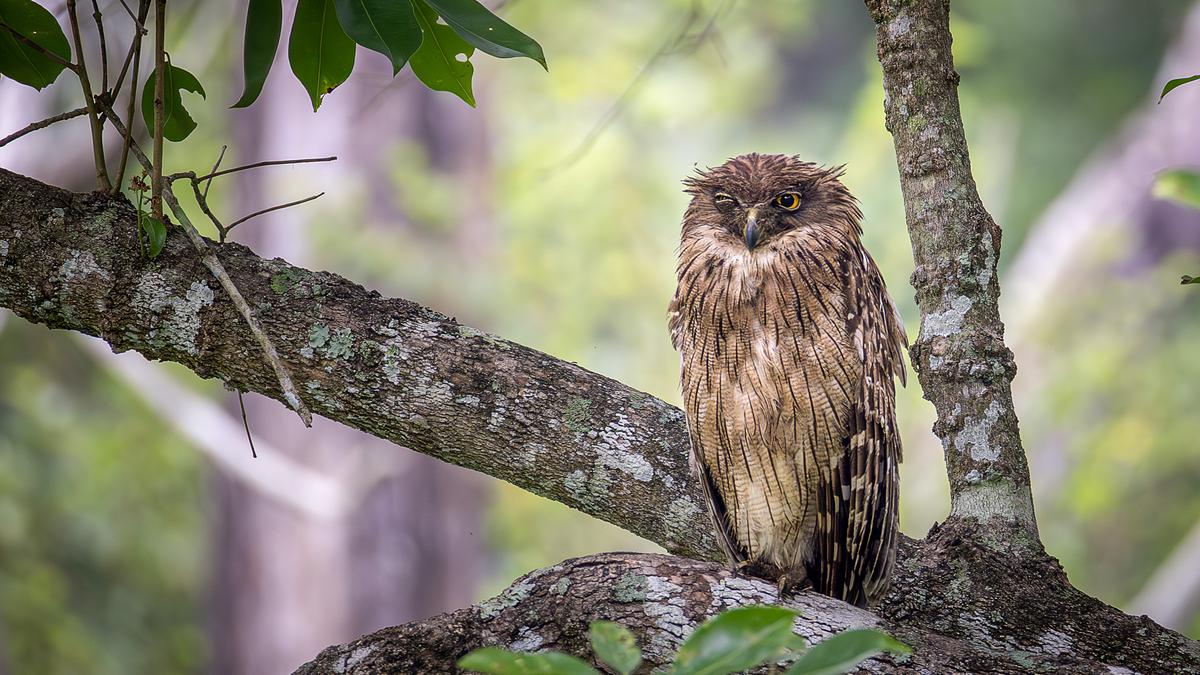
The assessment is planned to include both diurnal and nocturnal raptors
| Photo Credit: Special Arrangement
The first State-wide raptor assessment is scheduled on January 31 and February 1, 2026.
The Western Ghats, Eastern Ghats, and coastal wetlands of Tamil Nadu are vital raptor habitats. Increasing threats such as habitat loss, poisoning, electrocution, and illegal trade necessitate localised conservation efforts. To conserve raptor species, their population, biology, and ecology need to be studied and understood, forest officials said.
Through the Tamil Nadu Raptor Research Foundation initiative, Advanced Institute for Wildlife Conservation (AIWC) aims to assess the raptor population through a State-wide synchronised raptor survey. The assessment is planned to include both diurnal and nocturnal raptors.
February 1 being a full moon day increases the chances of documenting nocturnal birds such as owls and nightjars. Over 50 forest divisions of Tamil Nadu will be participating in the first State-wide assessment. The survey team will perform a vehicle and foot survey during the diurnal hours and opt for a point count method using a vehicle for the nocturnal assessment.
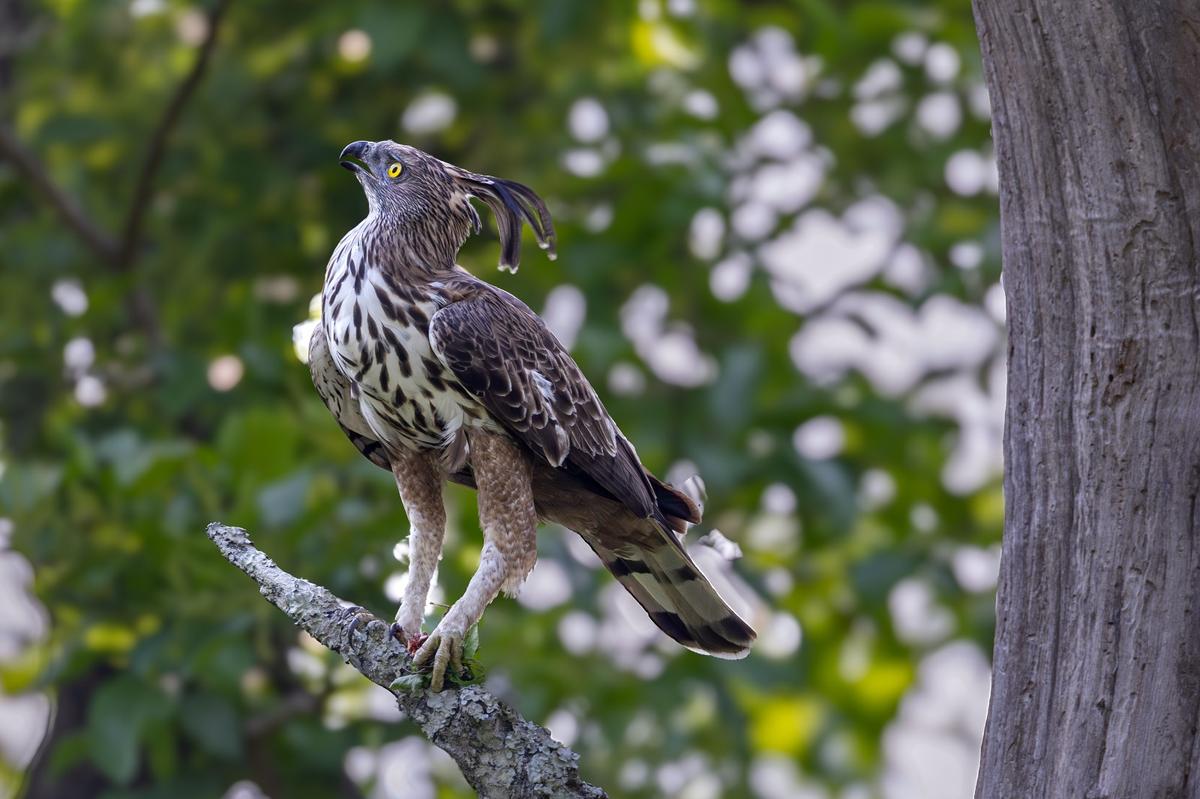
Tamil Nadu is a significant habitat for raptors, hosting over 65 raptor species of the orders Accipitriformes, Falconiformes, and Strigiformes
| Photo Credit:
Special Arrangement
AIWC has performed in-person and virtual raptor assessment trainings for the field officers of the Tamil Nadu Forest Department. The entire area is gridded into 4,068 blocks and aimed to assess one-tenth of the Tamil Nadu landscape, which amounts to 411 blocks. Each block is a 32-sq. km grid.
The first day of the survey will include a pre-survey training at the divisional level by the nodal officer and nocturnal assessment. On the second day, the diurnal raptor assessment will take place.
Tamil Nadu is a significant habitat for raptors, hosting over 65 raptor species of the orders Accipitriformes, Falconiformes, and Strigiformes. Raptors are keystone species and provide various ecosystem services and are considered bio-indicators of environmental health. Decline of raptors globally hinders the ecosystem functions of birds of prey, including pollination, seed dispersal, scavenging, and predation.
The assessment is aimed to cover all types of ecosystems, including forests, hillocks, agricultural files, wetlands, coastal areas, dump yards, and other important hotspots of raptors. The outcome of the assessment is to understand the raptor distribution, identify threats, and additional raptor hotspots for devising future conservation strategies, AIWC officials said.
Published – January 21, 2026 05:37 pm IST



