

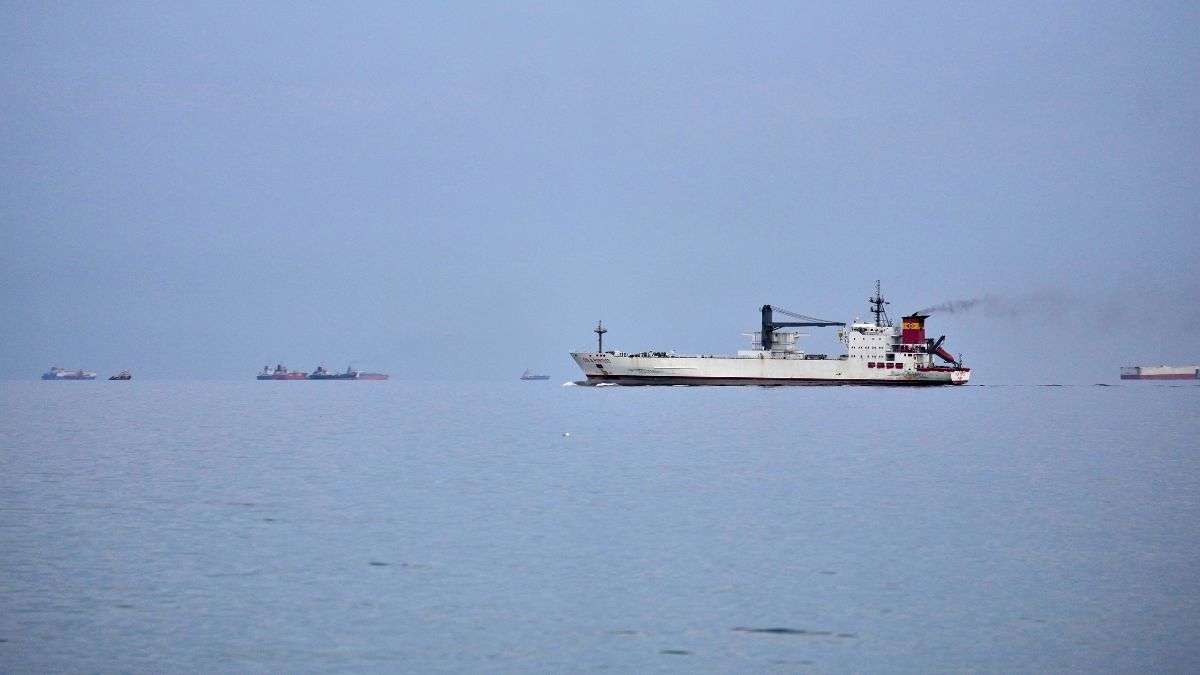

At a time when countries across Asia, Africa and Europe are rolling out sweeping and unprecedented energy conservation measures due to disruption in global fuel supplies as conflict in West Asia refuses to die down, China is quietly and steadily working on a long-term plan to reduce its reliance on oil supply routes like Strait of Hormuz – a critical global energy chokepoint through which over 20 per cent of the world’s oil and gas shipments pass. While most countries are focusing on the Strait of Hormuz, Beijing is pursuing a different approach by building an alternative energy system that can help it avoid these risks forever.
Massive Investment in Nationwide Supergrid
A key part of this plan is the rapid expansion of China’s power infrastructure. The country is developing a nationwide supergrid to connect energy sources such as coal, wind, and solar power with major industrial centres.
“China is building a real supergrid. West to East power flow, wind and solar from remote regions to coastal factories. That is not theory, it is already happening. Ultra high voltage lines move power across the country, and the scale is massive,” said a Vietnam based crypto firm tracking the transition.
State Grid Corporation of China, which already supplies electricity to more than 80 per cent of the population and serves over a billion people, is leading this effort along with China Southern Power Grid. The investment involved is substantial, with plans to spend around USD 574 billion on grid infrastructure between 2026 and 2030.
Reducing Reliance on Vulnerable Sea Lanes
China’s long-term objective is to lower its dependence on imported oil and the sea routes used to transport it. And for this, it is strengthening domestic energy network and increasing the use of electricity-based systems. China aims at limiting its exposure to disruptions in such key waterways.
What exactly China is doing
- China is developing ultra-high-voltage transmission corridors to move electricity efficiently across thousands of kilometres within the country.
- Channelling wind and solar power generated in the western and northern regions to industrial hubs and major cities along the eastern coast.
- The expansion is being financed through large-scale, state-backed bond issuances along with access to low-cost borrowing.
- Significant capital expenditure, running into trillions of yuan, is being deployed upfront to support the growing needs of electric vehicles, artificial intelligence, and industrial activity.
- Over time, this strategy is expected to reduce the importance of oil chokepoints such as the Strait of Hormuz.



