

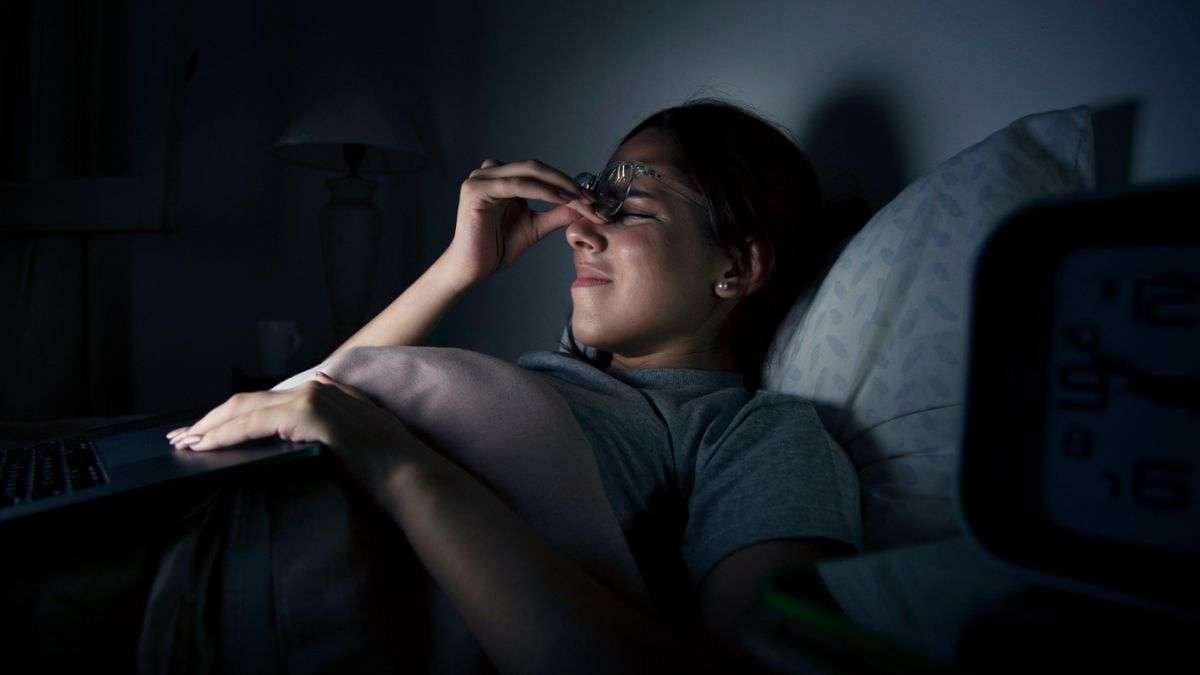

Many people focus on eating healthy meals and staying physically active to maintain their health. While diet and exercise are often considered the foundations of a healthy lifestyle, there is another factor that deserves equal attention: sleep. Getting enough quality sleep allows the body to recover, repair and function properly, making it an essential part of overall wellbeing.
Dr Jeremy London, a board-certified cardiovascular surgeon, recently shared a video explaining how a lack of sleep can affect the body. In the video, he emphasised that sleep should not be viewed as a luxury but as a necessity. Reflecting on a phrase he used to say in the past, “I’ll sleep when I’m dead”, the surgeon noted that regularly sacrificing sleep may come with consequences that people often overlook.
What can happen when you don’t get enough sleep?
According to Dr London, laboratory studies have repeatedly observed a similar pattern after just one week of short sleep. He said inadequate sleep can trigger several changes in the body that may affect overall health and physical performance.
1. Testosterone levels may decline
Dr London said even a week of short sleep may lead to a drop in testosterone, a hormone that plays an important role in several bodily functions.
2. Muscle building may slow down
The cardiovascular surgeon also said that poor-quality sleep can slow muscle building. This means the body’s ability to recover and adapt after exercise may not be as effective despite regular training.
3. Blood sugar levels may stay higher
Dr London also pointed to changes in insulin sensitivity. He explained that when insulin sensitivity decreases, the same meal may be processed differently. As a result, more sugar may remain in the bloodstream while less reaches the muscles.
4. Appetite may increase
Another effect of poor sleep, according to the surgeon, is a change in appetite. He said that people often experience stronger cravings for carbohydrates and calorie-dense foods when they are not sleeping well.
5. You may eat more calories
Dr London also explained that people dealing with poor-quality sleep often consume an additional 300 to 400 calories per day compared with their usual intake. At the same time, they do not necessarily increase their physical activity to offset those extra calories.
Why quality sleep matters
Dr London said sleep is when the body repairs and recovers. People can put significant effort into exercise and healthy eating, but poor-quality sleep may quietly reduce the benefits of those habits.
Highlighting the far-reaching impact of inadequate rest, he said, “When your sleep is off, everything downstream is off.”
ALSO READ:
Mediterranean diet vs Indian diet: Do you really need to give up dal-roti to stay healthy?



