

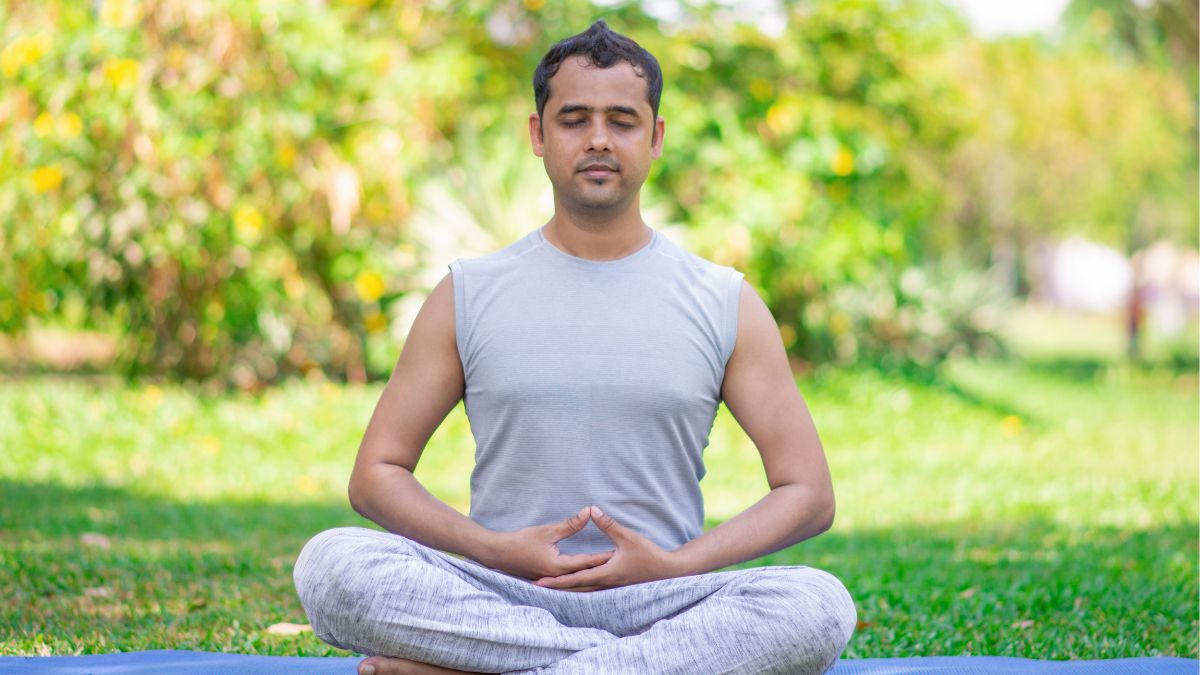

There’s a strange irony in modern life. We’re constantly chasing better health, tracking sleep, counting steps, fixing diets, and yet we rarely pay attention to the one thing we’re doing all the time: breathing.
It’s automatic, which is exactly why it gets ignored. But according to yoga practitioners, the way you breathe can quietly shape how your body feels and how your mind responds to stress.
Not just breathing, but how you breathe
“Pranayama is not just a breathing exercise. It’s a structured way to balance the body, mind and energy,” says Himalayan Siddhaa Akshar, founder of Akshar Yoga Kendraa. The word itself comes from prana, meaning life force, and ayama, meaning expansion or control. The idea is simple on paper: slow down the breath, pay attention to it, and let that awareness ripple through the body.
In practice, it feels less like a workout and more like a reset.
What actually changes in your body
Most of us breathe shallowly without realising it, especially when stressed. That keeps the body in a slightly heightened state. Slowing the breath does the opposite. It improves oxygen flow, supports lung function and nudges the nervous system out of “alert mode” into something calmer and more restorative. It’s subtle, but noticeable. The kind of shift where your shoulders drop without you thinking about it.
Why it works so well for stress
Stress doesn’t always announce itself loudly. Sometimes it shows up as restlessness, irritability or just feeling “off”. “In everyday life, tension often shows up as fast, shallow breathing. Pranayama reverses that pattern,” explains Akshar. As the breath slows, the body follows. Heart rate steadies, the mind feels less cluttered, and reactions become a little less impulsive.
The effect on focus and mental clarity
There’s also a mental shift that comes with it. When the breath is steady, thoughts tend to settle. Over time, this can improve concentration, memory and overall clarity, especially useful if your day involves constant switching between tasks.
Even a few minutes of conscious breathing can feel like hitting a reset button, minus the coffee.
Why people are turning to it again
Part of the appeal is how low-effort it is. No equipment. No schedule pressure. You can do it in the morning, between meetings or before bed. And unlike most wellness trends, it doesn’t ask you to add something new, it asks you to notice what’s already there.
More than a technique, a shift in awareness
With time, pranayama becomes less about “doing” and more about noticing. That awareness tends to spill over into other parts of life, how you respond to stress, how you eat, even how you slow down (or don’t). Not every health habit needs to be complicated.
Sometimes, it starts with something as basic as paying attention to your breath. And once you do, it’s hard to unsee how much it was shaping everything else.
Also read: 5 wellness therapies every woman should try at least once



