

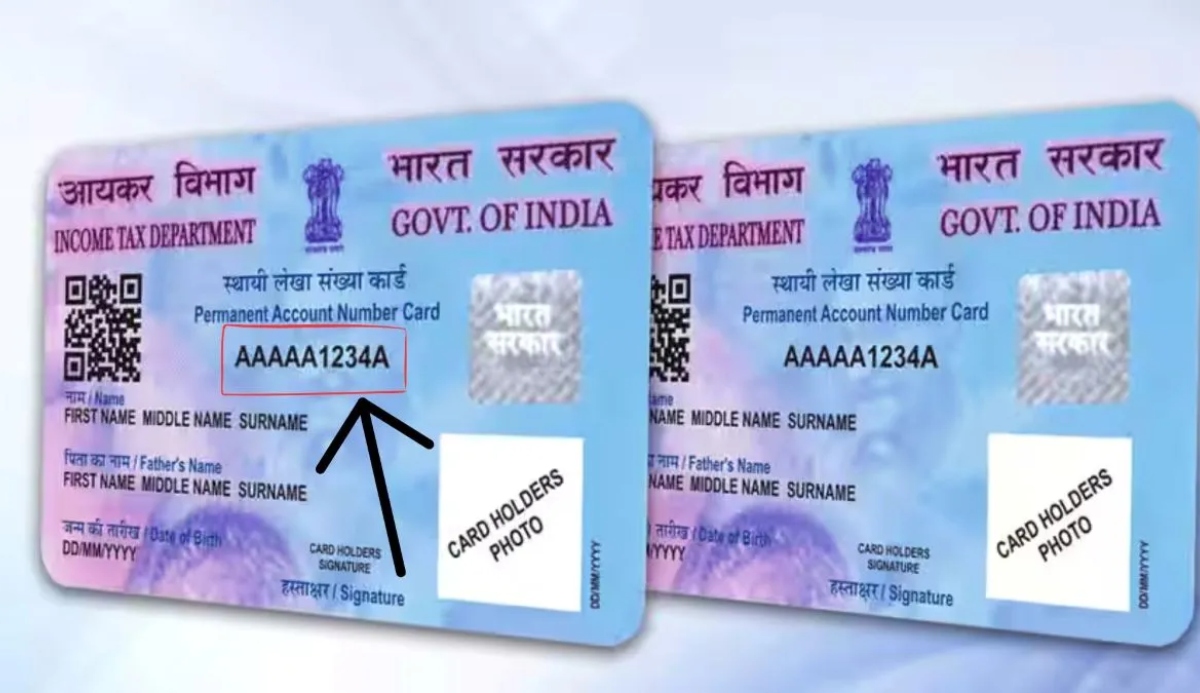

The PAN card has become a mandatory document for almost every financial transaction in India. Issued by the Income Tax Department of the Government of India, the Permanent Account Number (PAN) serves as a unique personal identification for individuals and entities. It is a 10-digit alphanumeric code used to track tax-related information and financial activities.
A PAN card is required for filing income tax returns, opening bank accounts, making investments, purchasing high-value assets, and carrying out several other financial transactions. While most people use the PAN regularly, few are aware that the 10-digit number printed on the card is not random. Each letter and number in the PAN has a specific meaning and purpose. Here’s a closer look at what the PAN number actually signifies and how it is structured.
What is a PAN card?
PAN stands for Permanent Account Number. It is issued by the Income Tax Department. The PAN number plays a vital role in maintaining transparency in financial transactions and the tax system. In India, the PAN card is a highly respected and legal form of identification.
Understand the 10 digits of the PAN Card
A PAN number is a 10-digit number consisting of letters and numbers. Its format is as follows:
- The first three letters are random letters from the English alphabet, from AAA to ZZZ.
- The fourth letter represents the cardholder’s category. For example, ‘P’ stands for Individual, ‘F’ stands for Firm.
- The fifth letter represents the first letter of the holder’s last name/surname.
- This is followed by four digits running from 0001 to 9999.
- The last letter is a letter or number, making the number completely unique.
Types of PAN cards
There are two main types of PAN cards: a personal PAN card and a company PAN card.
- A personal PAN card is required for individual taxpayers. It is important for filing ITRs, personal investments, and banking.
- A company PAN card is required for companies registered in India. It is crucial for companies’ tax payments and financial transactions.
Also Read: 5 major credit card rule changes from April 1: Here’s all you need to know
Also Read: IRCTC makes Aadhaar verification mandatory for advance, tatkal booking: All you need to know



