

By using this site, you agree to the Privacy Policy and Terms of Use.
Accept
India Times NowIndia Times NowIndia Times Now
Notification Show More
Font ResizerAa
  • Bharat Shreshtha Ratna Sanman
  • India News
  • Categories
    • Technology
    • Entertainment
    • The Escapist
    • Insider
    • Finance ₹
    • India News
    • Science
    • Health
Reading: Why Eid hugs feel different after a month of fasting: A psychological perspective
Share
India Times NowIndia Times Now
Font ResizerAa
  • Bharat Shreshtha Ratna Sanman
  • India News
  • Categories
Search
  • Bharat Shreshtha Ratna Sanman
  • India News
  • Categories
    • Technology
    • Entertainment
    • The Escapist
    • Insider
    • Finance ₹
    • India News
    • Science
    • Health
Have an existing account? Sign In
Follow US

Home » Why Eid hugs feel different after a month of fasting: A psychological perspective

FashionLifestyleTravelVacation

Why Eid hugs feel different after a month of fasting: A psychological perspective

Times Desk
Last updated: March 20, 2026 2:45 am
Times Desk
Published: March 20, 2026
Share
SHARE


Contents
  • A month that changes how we feel
  • Why hugs feel more intense
  • The power of shared experience
  • Reflection makes the connection deeper
  • More than just a greeting
New Delhi:

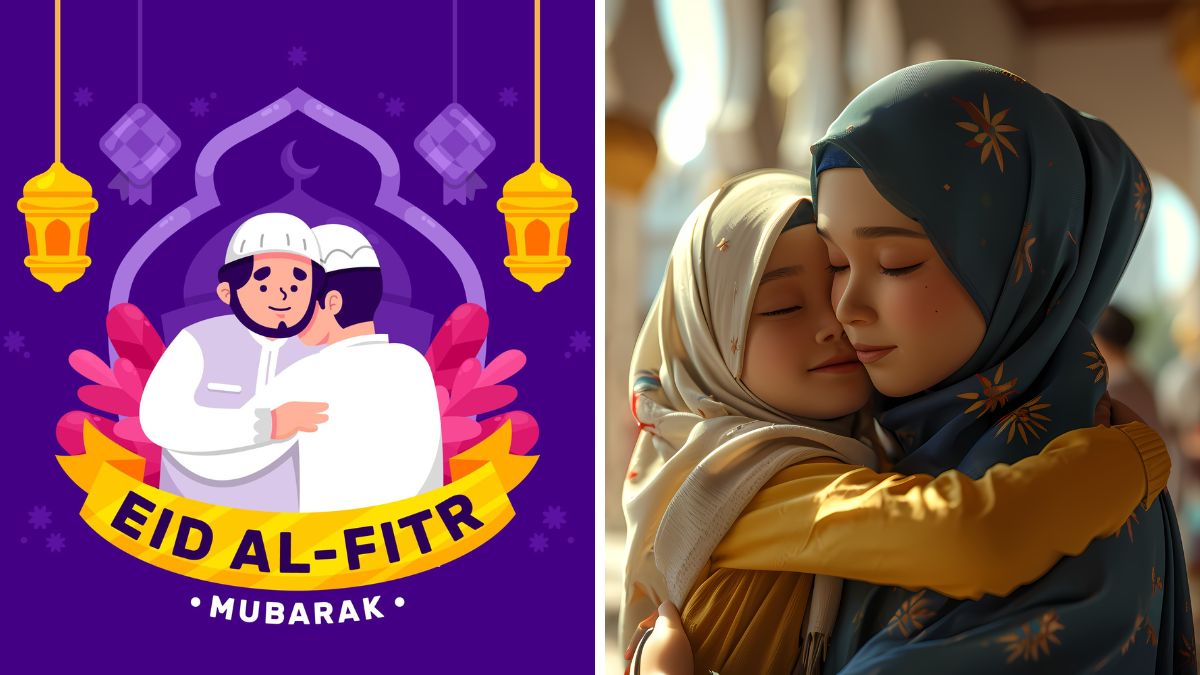
Eid greetings often begin the same way. A smile, a warm “Eid Mubarak”, and then a hug that feels just a little more meaningful than usual. It’s not just emotion. There’s a reason why Eid hugs feel different.

After a month of fasting, reflection, and spiritual discipline, people don’t just celebrate. They reconnect. And that shift is as psychological as it is cultural.

A month that changes how we feel

Ramadan is not only about fasting. It is also a period of conscious self-regulation. “For nearly 30 days, people practise patience, empathy, gratitude, and restraint. This changes emotional processing and increases awareness of relationships,” explains Dr Murali Krishna, Consultant – Psychiatry and Counselling Services, Aster RV Hospital, Bangalore.

By the time Eid arrives, people are more emotionally aware and more open to connection.

Why hugs feel more intense

There is also a biological reason behind it. Hugging triggers the release of oxytocin, often called the bonding hormone. This hormone promotes feelings of trust, warmth, and emotional closeness. “After a month focused on spirituality and compassion, this response can feel more intense and meaningful,” says Dr Krishna.

So what feels like a simple hug is actually a layered emotional response.

The power of shared experience

Fasting during Ramadan is rarely an individual experience. It is collective. Waking up early, fasting through the day, praying, and practising charity become shared routines across families and communities.

“This creates what psychologists call communal synchrony, where shared rituals strengthen social bonds,” Dr Krishna explains. By Eid, that shared journey turns into a sense of collective achievement. And hugs become a way of acknowledging that.

Reflection makes the connection deeper

Ramadan also encourages introspection. Many people spend time reflecting, praying, and engaging in acts of kindness. This can increase emotional sensitivity and appreciation for relationships.

As a result, meeting loved ones after a month feels different. Warmer, fuller, more present.

More than just a greeting

Eid hugs are not just social gestures. They carry layers of meaning. Relief after a month of discipline. Gratitude for what one has. A sense of renewal. And most importantly, belonging. That is why they linger a little longer.

Sometimes, the smallest gestures carry the deepest meaning. After a month of fasting and reflection, an Eid hug becomes more than a greeting. It becomes a quiet expression of everything that was felt, practised, and shared.





Source link

War anxiety is ruining your sleep: Here’s what’s happening inside your brain
Eating less but still gaining weight? AIIMS-trained gut doctor explains why
Why anxiety and depression are rising rapidly among Gen Z, expert explains
Sleeping less than seven hours more dangerous for lifespan than obesity and diabetes, study finds
Want to build strength? Chennai fitness trainer says focus on these 3 simple basics
TAGGED:communal bonding RamadanEidfastingfasting and mental health connectionfeelhow fasting increases emotional connectionhugsmonthoxytocin hugging benefitsperspectivepsychologicalpsychological effects of fasting Ramadanpsychology of Eid hugsRamadan emotional effectsscience behind hugging and oxytocinwhy Eid hugs feel differentwhy Eid hugs feel more emotional after Ramadanwhy shared rituals strengthen bonds
Share This Article
Facebook Email Print
Leave a Comment

Leave a Reply Cancel reply

Your email address will not be published. Required fields are marked *

Follow US

Find US on Social Medias
FacebookLike
XFollow
YoutubeSubscribe
TelegramFollow

Weekly Newsletter

Subscribe to our newsletter to get our newest articles instantly!
[mc4wp_form]
Popular News

7,400 Maoists arrested since 2019, LWE violence down 88% from 2010: Government tells Lok Sabha

Times Desk
Times Desk
February 3, 2026
Regularisation of licensed surveyors in Karnataka not possible: Minister
2 delivery executives arrested for harassing woman in Bengaluru
Sebi proposes major overhaul of mutual fund rules to reduce costs for investors: Here’s what it means
Woman in Assam becomes first to get Indian citizenship after two years in detention camp
- Advertisement -
Ad imageAd image
Global Coronavirus Cases

Confirmed

0

Death

0

More Information:Covid-19 Statistics
© INDIA TIMES NOW 2026 . All Rights Reserved.
Welcome Back!

Sign in to your account

Username or Email Address
Password

Lost your password?