

By using this site, you agree to the Privacy Policy and Terms of Use.
Accept
India Times NowIndia Times NowIndia Times Now
Notification Show More
Font ResizerAa
  • Bharat Shreshtha Ratna Sanman
  • India News
  • Categories
    • Technology
    • Entertainment
    • The Escapist
    • Insider
    • Finance ₹
    • India News
    • Science
    • Health
Reading: Wolf Moon 2026: How the first full moon of the year got its name
Share
India Times NowIndia Times Now
Font ResizerAa
  • Bharat Shreshtha Ratna Sanman
  • India News
  • Categories
Search
  • Bharat Shreshtha Ratna Sanman
  • India News
  • Categories
    • Technology
    • Entertainment
    • The Escapist
    • Insider
    • Finance ₹
    • India News
    • Science
    • Health
Have an existing account? Sign In
Follow US

Home » Wolf Moon 2026: How the first full moon of the year got its name

FashionLifestyleTravelVacation

Wolf Moon 2026: How the first full moon of the year got its name

India Times Now Desk
Last updated: January 3, 2026 6:33 am
India Times Now Desk
Published: January 3, 2026
Share
SHARE


Contents
  • The Wolf Moon is the first full moon of the year. We explore how it got its name, looking at winter conditions, wolf behaviour, early lunar naming traditions, and what makes January’s full moon stand out in history and observation.
  • How the Wolf Moon got its name
  • Why wolves were so closely linked to winter nights
  • How people in ancient times named full moons
  • What makes the January full moon different from the rest

The Wolf Moon is the first full moon of the year. We explore how it got its name, looking at winter conditions, wolf behaviour, early lunar naming traditions, and what makes January’s full moon stand out in history and observation.

New Delhi:

The Wolf Moon is the first full moon of the year, and in 2026, it will be visible tonight, on January 3. It will rise bright and clear in the winter sky, catching attention simply because January nights tend to make the Moon feel closer and sharper.

Full moons have always drawn human curiosity, especially those that arrive at the edges of seasons. The Wolf Moon is one such moment. Its name has travelled through centuries, shaped by weather, wildlife, and the way people once lived closely with nature.

How the Wolf Moon got its name

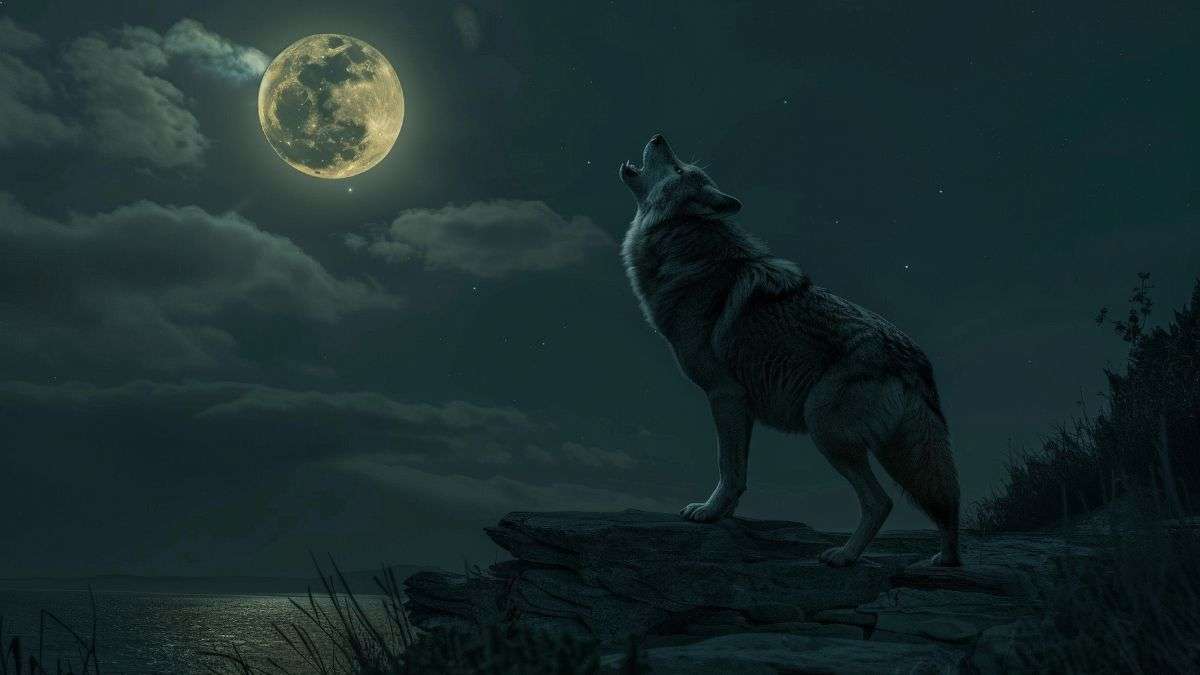
The name Wolf Moon comes from a time when people named full moons based on what they experienced around them. January was harsh. Cold settled in deeply. Food was scarce. Wolves were often heard howling outside villages and settlements. That sound became closely associated with the full moon of this month, and the name stayed. It was never about superstition alone. It was observation. Simple and direct.

Why wolves were so closely linked to winter nights

Wolves are more vocal in winter, not because of the Moon itself, but due to survival. Cold weather spreads sound farther. Quiet nights carry echoes. Hunger pushes packs to communicate more often. To people indoors during freezing nights, wolf howls felt louder and more frequent. Over time, winter nights and wolves became inseparable in memory.

How people in ancient times named full moons

Long before printed calendars, the Moon helped people track time. Each full moon marked a phase of the year. Names were practical, not poetic for the sake of it. They reflected weather, animals, crops, or work that needed doing. Different cultures had different names, but the idea was the same. Use the Moon to remember what the season brings.

What makes the January full moon different from the rest

January full moons rise during the longest nights of the year. Cold air often makes the sky clearer. Light feels sharper. The Moon can appear brighter and more striking than at other times. In some years, the Moon is also slightly closer to Earth during this phase, adding to the visual effect. It stands out. Quietly, but clearly.

ALSO READ: Wolf Moon on Paush Purnima 2026: These 3 zodiac signs will see a surge in luck and wealth


Source link

This 30-minute no-screen rule could transform your sleep routine
6 simple morning changes that heal your gut and boost digestion
’30 kg gone’: Fat loss expert shares step-by-step cardio plan that took her from 84 kg to 54 kg | Lifestyle
Varanasi–Khajuraho Vande Bharat full route, timings, stops: Check full details here
Planning to drink this weekend? Gurugram cancer specialist shares 5 tips to reduce health risks
TAGGED:ancient calendarsastronomy and folklorefullfull moon namesJanuary full moonJanuary moonlunar historylunar phasesMoonmoon naming traditionsnight sky eventsseasonal moonswinter full moonWolfwolf folkloreWolf Moon 2026Wolf Moon meaningWolf Moon originyear
Share This Article
Facebook Email Print
Leave a Comment

Leave a Reply Cancel reply

Your email address will not be published. Required fields are marked *

Follow US

Find US on Social Medias
FacebookLike
XFollow
YoutubeSubscribe
TelegramFollow

Weekly Newsletter

Subscribe to our newsletter to get our newest articles instantly!
[mc4wp_form]
Popular News

Pleasant weather sets the stage for Kerala local body elections

India Times Now Desk
December 9, 2025
Weight loss alone won’t give you a flat stomach, celebrity nutritionist suggests 3 exercises instead
Farhan Akhtar reacts as Manipuri film ‘Boong’ becomes India’s sole BAFTA nominee in 2026 | See post
Hundreds attended Tiranga Yatra in Kashmir; LG says ‘sends a clear message’
Venezuela’s Acting President visits SSSIHL, lauds value-based education model
- Advertisement -
Ad imageAd image
Global Coronavirus Cases

Confirmed

0

Death

0

More Information:Covid-19 Statistics
© INDIA TIMES NOW 2026 . All Rights Reserved.
Welcome Back!

Sign in to your account

Username or Email Address
Password

Lost your password?

