
By using this site, you agree to the Privacy Policy and Terms of Use.
Accept
India Times NowIndia Times NowIndia Times Now
Notification Show More
Font ResizerAa
  • India News
    India News
    Politics is the art of looking for trouble, finding it everywhere, diagnosing it incorrectly and applying the wrong remedies.
    Show More
    Top News
    The States Braces for Protests Over New COVID Rules
    August 29, 2021
    R. Venkataramani re-appointed as Attorney General
    September 26, 2025
    CPI(M) fielding candidates with criminal links: Satheesan
    November 30, 2025
    Latest News
    Movement of tiger creates panic in Polavaram district
    March 10, 2026
    Infrastructure, healthcare get major thrust in Perumbavoor municipality Budget
    March 10, 2026
    Kochi Corporation to desilt eight major canals ahead of monsoon
    March 10, 2026
    Actors Kishor Kumar, Siri to stage play in Shivamogga on March 22
    March 10, 2026
  • Technology
    TechnologyShow More
    Strengthening the Team: Thryve PR Onboards Pranjal Patil as PR Executive & Project Manager
    October 1, 2025
    How to Take the Perfect Instagram Selfie: Dos & Don’ts
    October 1, 2021
    Apple iMac M1 Review: the All-In-One for Almost Everyone
    Hands-On With the iPhone 13, Pro, Max, and Mini
    September 4, 2021
    Apple VS Samsung– Can a Good Smartwatch Save Your Life?
    August 30, 2021
  • Posts
    • Post Layouts
      • Standard 1
      • Standard 2
      • Standard 3
      • Standard 4
      • Standard 5
      • Standard 6
      • Standard 7
      • Standard 8
      • No Featured
    • Gallery Layouts
      • Layout 1
      • Layout 2
      • layout 3
    • Video Layouts
      • Layout 1
      • Layout 2
      • Layout 3
      • Layout 4
    • Audio Layouts
      • Layout 1
      • Layout 2
      • Layout 3
      • Layout 4
    • Post Sidebar
      • Right Sidebar
      • Left Sidebar
      • No Sidebar
    • Review
      • Stars
      • Scores
      • User Rating
    • Content Features
      • Inline Mailchimp
      • Highlight Shares
      • Print Post
      • Inline Related
      • Source/Via Tag
      • Reading Indicator
      • Content Size Resizer
    • Break Page Selection
    • Table of Contents
      • Full Width
      • Left Side
    • Reaction Post
  • Pages
    • Blog Index
    • Contact US
    • Search Page
    • 404 Page
    • Customize Interests
    • My Bookmarks
  • Join Us
Reading: Why are Finance Commission grants to cities still so limited? | Explained
Share
Font ResizerAa
India Times NowIndia Times Now
  • Finance ₹
  • India News
  • The Escapist
  • Entertainment
  • Science
  • Technology
  • Insider
Search
  • Home
    • India Times Now
    • Home 2
    • Home 3
    • Home 4
    • Home 5
  • Categories
    • Technology
    • Entertainment
    • The Escapist
    • Insider
    • Finance ₹
    • India News
    • Science
    • Health
  • Bookmarks
    • Customize Interests
    • My Bookmarks
  • More Foxiz
    • Blog Index
    • Sitemap
Have an existing account? Sign In
Follow US
Home » Blog » Why are Finance Commission grants to cities still so limited? | Explained
India News

Why are Finance Commission grants to cities still so limited? | Explained

Times Desk
Last updated: March 8, 2026 5:14 pm
Times Desk
Published: March 8, 2026
Share
SHARE


Contents
  • What do the numbers reveal?
  • What are tied grants?
  • Why does it raise federal concerns?
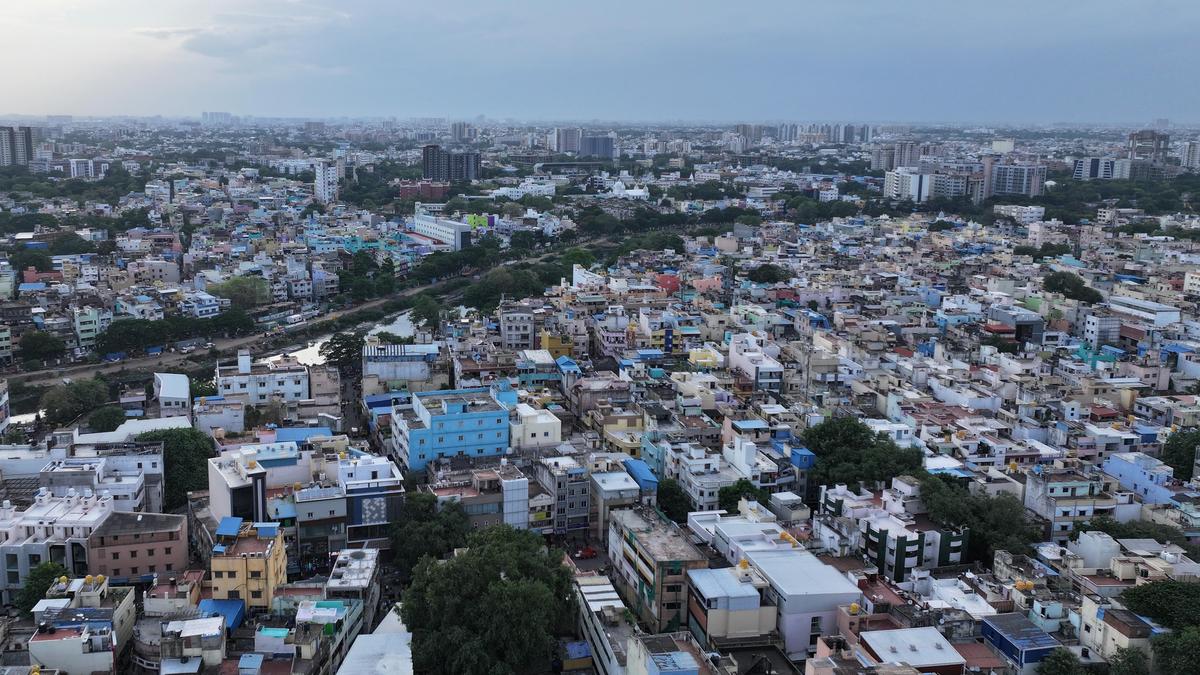
For representative purposes

For representative purposes
| Photo Credit: B JOTHI RAMALINGAM

The story so far:

Cities continue to be the excruciating centres of capital accumulation at an unprecedented pace. Around 90% of total government revenue and nearly 67% of the country’s GDP is generated through urban centres. Yet the recommendations of the 16th Finance Commission (FC) emphasise that cities must find avenues to increase their own source revenue and expand the tax base, even as the overall devolution of funds to urban local bodies remains limited.

What do the numbers reveal?

Under the 15th FC, urban local bodies received roughly ₹1.2-1.3 lakh crore over five years. India’s GDP during that period hovered around ₹200-210 lakh crore. The urban transfer, therefore, amounted to approximately 0.12-0.13% of GDP.

Under the 16th FC, urban local bodies are to receive around ₹3.56 lakh crore between 2026 and 2031. This translates to roughly ₹75,000 crore per year, far from adequate for urban transformation. India’s GDP by then is projected at roughly ₹400 lakh crore, which means the ratio remains almost unchanged at roughly 0.13% of GDP.

Another catch is defining the ‘urban’. The data is drawn from multiple sources which estimate that the urban population will reach around 41% by 2031. In simple terms, this means that per capita devolution does not change significantly.

The illusion deepens when per capita figures are introduced. India’s urban population crossed 470 million around 2020 and is projected to approach or exceed 600 million during the 2026-30 FC cycle. When urban grants are distributed across this expanded demographic base, per capita transfers stagnate and may even decline in real terms.

Another issue concerns the utilisation of funds. Under the 15th FC, total grants to local bodies amounted to around ₹4.36 lakh crore. Yet a substantial portion remained unspent or pending utilisation, estimated at roughly ₹90,000-95,000 crore, including about ₹30,000-35,000 crore meant for urban local bodies.

What are tied grants?

Tied grants for cities refer to funds earmarked for specific sectors such as water supply, sanitation, and wastewater management, etc. Tied grants hamper fiscal autonomy because States — and cities — are required to spend the funds only on these specified categories. 

The approach of the 16th FC is even more aggressive, leaving less space for cities to use funds, as they are also subject to performance-based grants, which means the grants will be released only when certain performance criteria are met. These include improving fiscal discipline, ensuring the proper constitution of local bodies through regular elections, publishing provisional and audited accounts in the public domain, and constituting State Finance Commissions.

All of these are reasonable. However, the problem arises when 20% of the funds are linked to additional conditions, failing which cities will not receive that share. The key condition relates to increasing own source revenue (OSR) through property taxes and user charges. The benchmark kept by the FC is to raise ₹1,200 per household through such revenues. 

Why does it raise federal concerns?

A sum of ₹10,000 crore is kept for the one-time incentive for peri-urban merger of urban villages with a population of more than one lakh.

This has two major problems. First, urban development is constitutionally a State subject, and a federal intervention to induce such a transition is dangerous, as merging the peripheries of just 10% of urban towns may translate into lopsided urban integration, with the primary aim being to generate own source revenues. Second, in many States, take for example Kerala, where rural local governments function robustly, merging rural areas into urban agglomerations could create administrative and civic complications. The 16th FC also remains largely silent on climate change and pays little attention to the growing pool of cess revenues collected by the Centre and kept outside the divisible pool. These cess collections now amount to around 2.2% of GDP — roughly ₹8.8 lakh crore. Much of this revenue is generated from cities, yet it still does not appear in the OSR.

The 16th FC appears to miss a basic fibre in the entire exercise: “let cities plan their own futures,” while the Centre acts as an enabler. After all, it is their money, and they have a legitimate right to its utilisation.

Tikender Singh Panwar is a former Deputy Mayor of Shimla and currently a member of the Kerala Urban Commission

Published – March 09, 2026 08:30 am IST


Source link

Telangana’s stunning rise and its unhinged growth
Renowned ecologist Madhav Gadgil passes away at 82
Palaniswami, Dhinakaran condemn sexual assault of young woman by two policemen
Pray to Maa Durga that ‘Sonar Bangla’ glory is restored by new Govt post 2026 polls: Amit Shah in Kolkata
80-year-old man charred to death in fire at home in Kengeri in south Bengaluru
Share This Article
Facebook Email Print
Leave a Comment

Leave a Reply Cancel reply

Your email address will not be published. Required fields are marked *

Follow US

Find US on Social Medias
FacebookLike
XFollow
YoutubeSubscribe
TelegramFollow

Weekly Newsletter

Subscribe to our newsletter to get our newest articles instantly!
[mc4wp_form]
Popular News

Chair hurled at Somanna during foundation stone-laying ceremony in Koppal

Times Desk
Times Desk
January 5, 2026
PM Modi to address nation at 5 p.m. today
Ex same-sex couple’s legal battle tests India’s gender and marriage law
Jabarkhet: can private reserves restore wildlife and keep tourism gentle?
Supreme Court seeks Centre’s response on status of implementation of 2017 palliative care guidelines
- Advertisement -
Ad imageAd image
Global Coronavirus Cases

Confirmed

0

Death

0

More Information:Covid-19 Statistics
© INDIA TIMES NOW 2026 . All Rights Reserved.
Welcome Back!

Sign in to your account

Username or Email Address
Password

Lost your password?

