


As Dr Pankaj Desai, Senior Consultant Obstetrician and Gynaecologist at Janani Maternity Hospital, suggests, conventional weight-loss methods often fail to consider the biological, hormonal and behavioural factors that influence body weight.
Obesity is more than a calorie problem
Dr Desai explains that obesity is increasingly recognised as a chronic, multifactorial disease rather than merely the result of consuming too many calories.
“The human body is not a passive calculator of calories. Instead, it is a highly adaptive biological system that continuously works to maintain energy balance and protect against perceived threats to survival,” he says.
What this implies is that when calorie intake is significantly reduced, the body responds in ways that can make further weight loss more difficult.
The body’s resistance to weight loss
Many people experience initial success when they start dieting but find themselves hitting a plateau later on. According to Dr Desai, this is not necessarily a sign of poor discipline.
“When calorie intake is significantly reduced, the body responds through a series of compensatory mechanisms,” he explains. “Resting metabolic rate may decline, energy expenditure becomes more efficient, and hormones that stimulate hunger increase.”
At the same time, hormones responsible for feelings of fullness may decrease, making it harder to maintain a calorie deficit over the long term.
“This physiological response helps explain a common experience among individuals attempting to lose weight: an initial period of success followed by a plateau or eventual weight regain,” says Dr Desai.
Not all calories affect the body in the same way
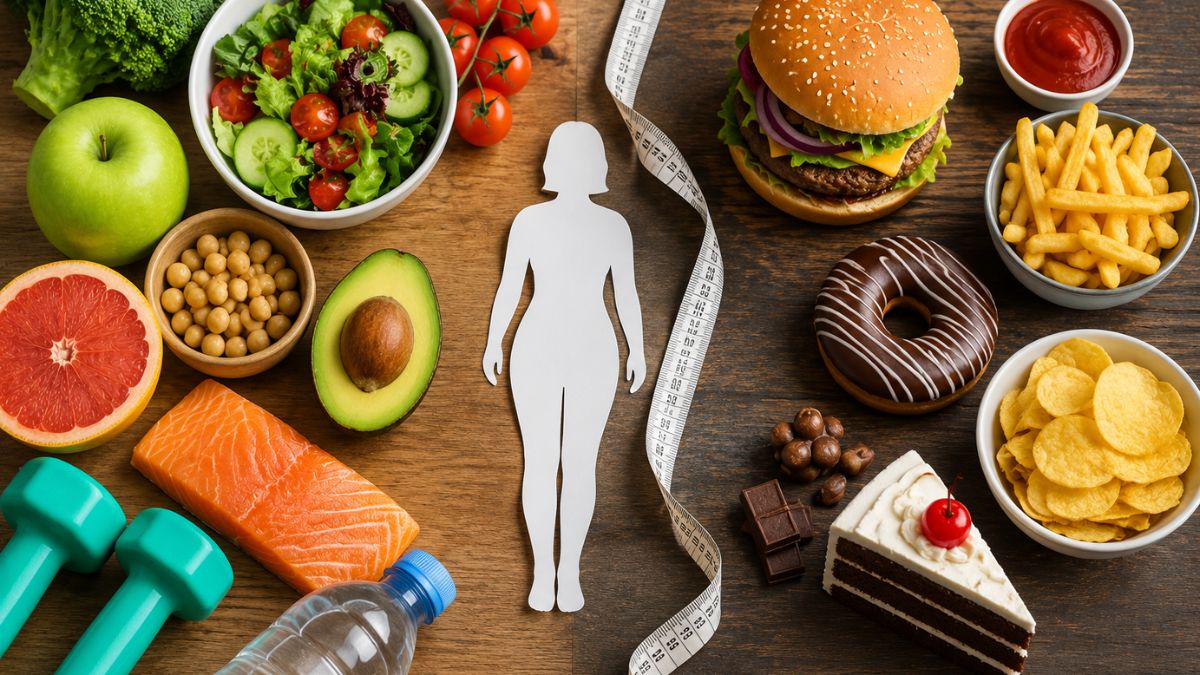
Dr Desai also challenges the popular belief that all calories are equal. “The traditional concept that ‘a calorie is a calorie’ oversimplifies the metabolic effects of different foods,” he says. According to him, diets high in refined carbohydrates, added sugars and ultra-processed foods can cause rapid fluctuations in blood sugar and insulin levels. This can lead to increased appetite and overeating.
On the other hand, foods that contain protein, fibre and healthy fats tend to promote satiety and help people feel fuller for longer.
Stress, sleep and emotions play an important role
Managing weight is about more than just the food you eat. Dr Desai points out that emotional and behavioural factors often play a major role.
“Eating patterns tend to be influenced by stress, emotions, lack of sleep, environment and habit,” he adds.
Sleep, in particular, deserves special attention.
“Shortage of sleep affects appetite-regulating hormones like ghrelin and leptin, leading to higher levels of hunger, more cravings and decreased energy expenditure,” Dr Desai points out.
Stress, on the other hand, may hinder weight-loss efforts through its effect on hormonal mechanisms that regulate appetite and fat storage.
Why obesity shouldn’t be viewed as a failure of willpower
Modern medicine has significantly changed its understanding of obesity over the years.
“Rather than viewing obesity as a simple failure of self-control, modern medicine increasingly recognises the complex interaction between genetics, metabolism, neurohormonal regulation, behaviour, environment and lifestyle,” Dr Desai says.
This shift has encouraged healthcare professionals to adopt a more comprehensive approach to treatment.
A modern approach to sustainable weight loss
According to Dr Desai, nutrition, physical activity, behavioural modification, stress management and adequate sleep remain the foundation of healthy weight management.
Importantly, he emphasises that these treatments should not be viewed as shortcuts.
“Rather, they are evidence-based interventions that complement lifestyle modification within a structured, multidisciplinary framework,” he says.
For Dr Desai, the message is clear: sustainable weight loss requires a deeper understanding of how the body works.
“The broader message is clear. Sustainable weight loss cannot be reduced to the simplistic advice of ‘just eat less’,” he says.
By recognising the roles of biology, psychology, lifestyle and environment, people can approach weight management with greater realism and compassion. The goal, according to experts, is not simply to lose weight but to build long-term habits that support overall health and well-being.
Also read: From 72 kg to 49 kg: Fitness trainer reveals 8 habits she quit to transform her body



