

By using this site, you agree to the Privacy Policy and Terms of Use.
Accept
India Times NowIndia Times NowIndia Times Now
Notification Show More
Font ResizerAa
  • Bharat Shreshtha Ratna Sanman
  • India News
  • Categories
    • Technology
    • Entertainment
    • The Escapist
    • Insider
    • Finance ₹
    • India News
    • Science
    • Health
Reading: Unsafe drinking water fuels antimicrobial resistance among isolated tribal communities in Kerala, Karnataka and Tamil Nadu: Study
Share
India Times NowIndia Times Now
Font ResizerAa
  • Bharat Shreshtha Ratna Sanman
  • India News
  • Categories
Search
  • Bharat Shreshtha Ratna Sanman
  • India News
  • Categories
    • Technology
    • Entertainment
    • The Escapist
    • Insider
    • Finance ₹
    • India News
    • Science
    • Health
Have an existing account? Sign In
Follow US

Home » Unsafe drinking water fuels antimicrobial resistance among isolated tribal communities in Kerala, Karnataka and Tamil Nadu: Study

India News

Unsafe drinking water fuels antimicrobial resistance among isolated tribal communities in Kerala, Karnataka and Tamil Nadu: Study

India Times Now Desk
Last updated: October 28, 2025 12:35 pm
India Times Now Desk
Published: October 28, 2025
Share
SHARE


Contents
  • AMR a threat to modern medicine’s pillars
  • Communities in three States studied
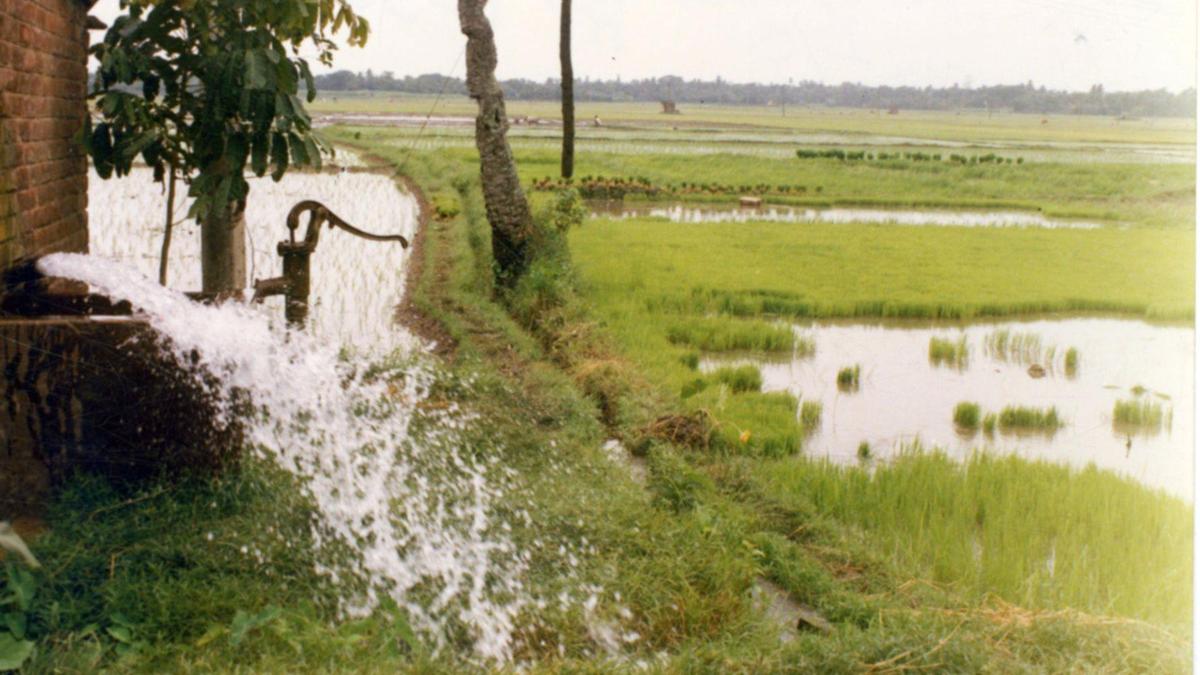
Tubewell users predominantly harbored antibiotic resistance genes, according to a study by University of Hyderabad’s (UoH) School of Life Sciences and the Anthropological Survey of India (AnSI). The image is used for representative purposes only.

Tubewell users predominantly harbored antibiotic resistance genes, according to a study by University of Hyderabad’s (UoH) School of Life Sciences and the Anthropological Survey of India (AnSI). The image is used for representative purposes only.
| Photo Credit: RATNA DAS

Unsafe drinking water is a key ecological driver of Anti-Microbial Resistance (AMR) among three of South India’s most isolated tribal communities, according to a new study by the University of Hyderabad’s (UoH) School of Life Sciences and the Anthropological Survey of India (AnSI).

AMR a threat to modern medicine’s pillars

AMR is one of the most critical public health challenges of the 21st century, threatening the effectiveness of antibiotics, antivirals, antifungals, and antiparasitic agents — the pillars of modern medicine. While resistance is a natural outcome of microbial evolution, its rapid emergence and global spread have been exacerbated by the misuse and overuse of antimicrobials across healthcare, agriculture, and veterinary sectors, as per an official press release issued on Tuesday (October 28, 2025).

Researchers — Sahid Afrid Mollick, Gin Khan Khual, and Pulamaghatta N. Venugopal from AnSI, in collaboration with Anwesh Maile and Hampapathalu Adimurthy from UoH’s Department of Systems and Computational Biology, used shotgun metagenomic sequencing to profile the gut microbiomes of three Particularly Vulnerable Tribal Groups (PVTGs).

Communities in three States studied

The team studied 103 healthy adults from the Irula, Jenu Kuruba, and Kurumba communities across Tamil Nadu, Karnataka, and Kerala. Participants provided fecal samples and socio-demographic data, including information on water sources (stream vs. tubewell) and residential settings (rural vs. urban).

By sequencing the entire microbial DNA from stool samples, the study identified and quantified antimicrobial resistance genes (ARGs), offering new insights into how environmental and lifestyle factors influence the spread of resistance in vulnerable populations.

Although the study did not examine ARGs in water or other reservoirs such as soil, food, livestock, or runoff, it clearly demonstrated that drinking water source is a key ecological driver of gut resistome variation. Tubewell users predominantly harbored antibiotic resistance genes, while stream-water consumers showed greater diversity and enrichment of non-antibiotic resistance determinants — particularly those linked to metals and biocides.

The World Health Organization (WHO) declared AMR a global health emergency in 2014 and estimates that it could cause up to 10 million deaths annually by 2050. In this context, the study offers urgent insights into how local environments may influence the spread of resistance, particularly among isolated tribal populations. The findings underscore the urgent need for safe water access, environmental surveillance, and resistome-informed public health strategies, the release added.

Published – October 28, 2025 06:05 pm IST


Source link

Maharashtra Zilla Parishad elections postponed to February 7: SEC
Compensatory afforestation for biodiversity loss in Nicobar is bogus argument: Jairam Ramesh
Water Authority steps up pace of Jal Jeevan Mission work in Thiruvananthapuram district
Not security concerns, but erosion of political capital of the ruling party led to Pradhan’s resignation
‘Bengaluru’s mobility story reflects its success and challenges’
TAGGED:AMR among isolated tribal communities in IndiaAnti microbial resistancehow is anti microbial resistance caused?How to avoid AMR?unsafe drinking water triggers anti microbial resistance
Share This Article
Facebook Email Print
Leave a Comment

Leave a Reply Cancel reply

Your email address will not be published. Required fields are marked *

Follow US

Find US on Social Medias
FacebookLike
XFollow
YoutubeSubscribe
TelegramFollow

Weekly Newsletter

Subscribe to our newsletter to get our newest articles instantly!
[mc4wp_form]
Popular News

TDB decides to stop procurement of ghee from outside for Sabarimala temple

India Times Now Desk
July 30, 2026
Defence stock under Rs 300 to be in focus after approval for new issue of shares, check details
Congress terms CM’s claims on Kochi Corporation far from reality
Children’s Day: Schools must speak the child’s language and not the more remote ‘standard’ language
Tripura student death: SIT takes over probe; Dehradun police say no evidence so far of racial abuse
- Advertisement -
Ad imageAd image
Global Coronavirus Cases

Confirmed

0

Death

0

More Information:Covid-19 Statistics
© INDIA TIMES NOW 2026 . All Rights Reserved.
Welcome Back!

Sign in to your account

Username or Email Address
Password

Lost your password?

