

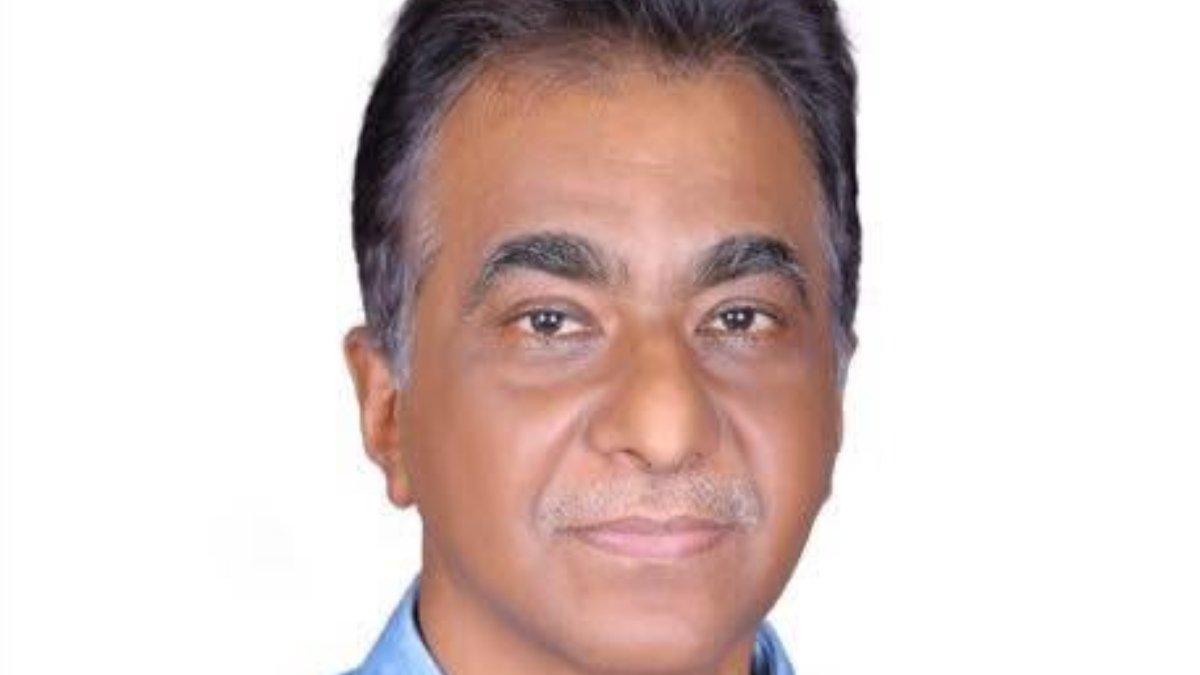

Filmmaker, screenwriter and cultural administrator R Sarath, known for films such as Sayahnam, Sthithi and Sheelavathi, died at the age of 65 in Thiruvananthapuram on Monday, September 7. He was undergoing treatment for kidney-related ailments at KIMS Hospital.
Sarath, a native of Punalur in Kerala’s Kollam district, died in the early hours of Monday. He had made significant contributions to Malayalam cinema through his films as well as his work in the cultural and government sectors.
R Sarath’s filmmaking career
Sarath entered the film industry with Sayahnam in 2000, making his debut as both director and screenwriter. The Malayalam film went on to win seven Kerala State Film Awards as well as the Indira Gandhi National Award for Best Debut Film. Sayahnam was also screened in the competition section of the Munich International Film Festival in 2001. The film subsequently travelled to several international film festivals, bringing attention to Sarath’s work beyond India.
He followed it with Sthithi in 2003. The film was screened at the Bangkok International Film Festival. His next feature, Sheelavathi, released in 2006 and dealt with several serious social issues. It premiered at the Asia Pacific Film Festival in Taiwan.
Sarath later directed and co-wrote The Desire, A Journey of a Woman, an Indo-Chinese co-production released in 2011. The Hindi film explored a woman’s journey and was among his projects that connected Indian filmmaking with an international audience.
His filmography also included Paradise, released in 2012. The film received awards at the Mexican International Film Festival and the Amsterdam Film Festival and continued to be screened at international film festivals. Sarath also directed Buddhan Chirikkunnu, a film made as part of the centenary celebrations of Charlie Chaplin’s acting career.
Sarath’s discovery of Raja Ravi Varma murals
Apart from his work in cinema, Sarath was also involved in research and cultural preservation. While working on his internationally acclaimed documentary The Painted Epics, he discovered rare mural paintings attributed to Raja Ravi Varma at the Kilunoor temple. The discovery contributed to further studies and discussions around the murals.
His research into mural paintings earned him a Junior Fellowship from the Cultural Department of the Government of India in 1996. Over the course of his career, Sarath received nine international awards, a National Film Award and four Kerala State Film Awards.
His work beyond cinema
Sarath held several positions in the cultural and administrative sectors. He served as deputy director in Kerala’s Information and Public Relations Department and later worked as director of the MPCC under the Cultural Department.
He also served as secretary of Bharat Bhavan, contributing to the state’s cultural activities and administration. A postgraduate in English literature, Sarath had undergone formal training in filmmaking and journalism. His career therefore extended across cinema, journalism, cultural research and administration.
His passing marks the loss of a filmmaker whose work moved between cinema and cultural documentation, while his research into Kerala’s mural traditions added another dimension to his contribution to the arts.
Also Read:
Gaurang Vyas dies at 86, PM Modi remembers his contribution to Gujarati music



