


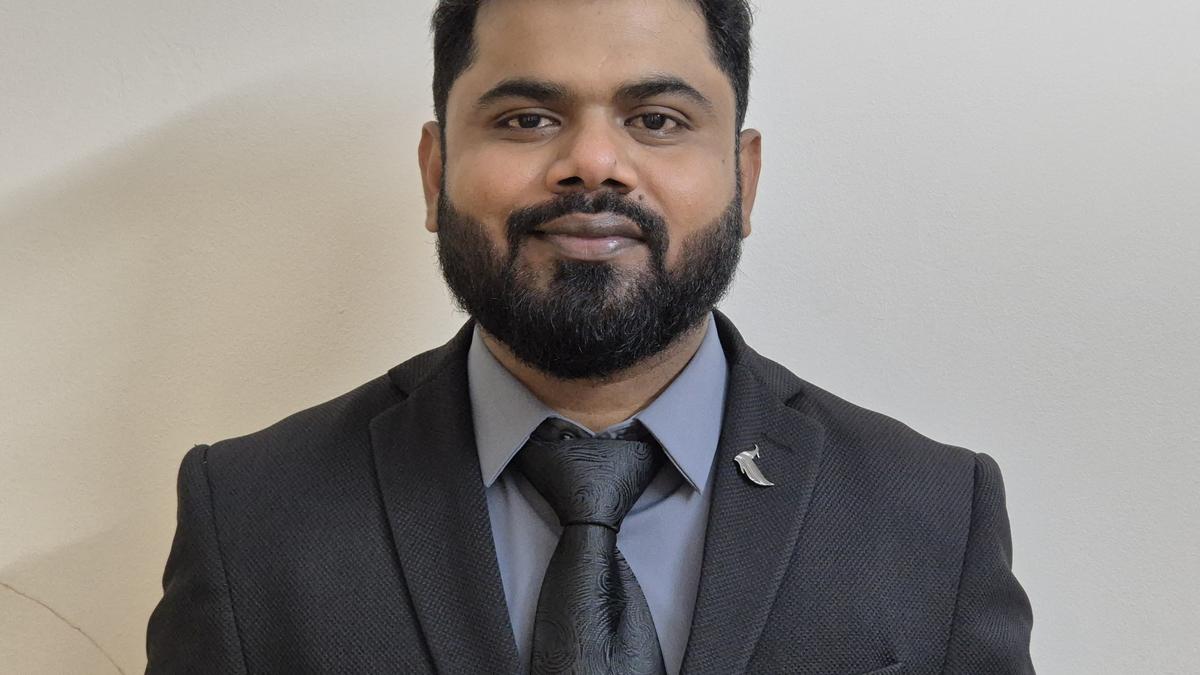
Pommala Sunil Kumar
| Photo Credit: SPECIAL ARRANGEMENT
Pommala Sunil Kumar, Commissioner, Bengaluru North City Corporation, has been proactive in reaching out to people starting a direct phone-in programme with the citizens of the north corporation. The Hindu caught up with Mr. Kumar for a conversation.
Edited excerpts:
The Hindu: How would you ensure residents actually feel the difference compared to the old BBMP system?
Commissioner: The new system has definitely made a difference. We’re now able to reach out to the people more effectively and address several issues on a priority basis. Earlier, even small problems would take a long time to get noticed or resolved, but now there’s a quicker response mechanism.
The Hindu: What are the revenue generation models you are looking at?
Commissioner: We have already collected ₹600 crore in property tax, which pertains to assessed properties. However, there are still unassessed properties, as well as cases where assessed properties have been under-assessed or undervalued. We are planning to use a GPS-based application to capture property details, identify any undervaluation, and make necessary corrections, which will increase tax collection. Additionally, there are assessed properties for which taxes have not been paid for several years. We will try to bring unassessed properties into the system, map them, and initiate collection. We are also exploring other revenue streams and a thorough collection of road-cutting charges. Overall, the focus is on optimising current systems and generating additional revenue in a systematic way.
The Hindu: For immediate relief, what temporary flood-mitigation measures has the corporation implemented and in which areas? For instance, underpasses in places like Hebbal and Nagavara often see heavy flooding.
Commissioner: From the starting, focus was on vulnerable low-lying areas, particularly those around the Hebbal flyover, Manyata Tech Park, and Nagavara. We have identified 80 to 85 such areas in the corporation limits and are inspecting ongoing work on arterial and sub-arterial roads. This is coordinated with data from police apps, like ASTraM, to road conditions and potholes.
Executive engineers have identified ‘gangmen’ — labourers living near these vulnerable, low-lying zones who can reach the spot within five minutes for immediate intervention. This is to tackle flooding swiftly, as such incidents often trigger traffic snarls and related disruptions, forcing traffic police to step in.
The Hindu: Encroachments on lakes and buffer zones continue despite repeated complaints, with even IT companies and large developers being accused of encroachments. How will you act against these encroachments and ensure equal treatment regardless of who the violator is?
Commissioner: We have identified solutions. We have also communicated with the companies involved, as there are existing structures that make clearing the land challenging. Our primary concern is the safety and well-being of the public, and we have issued clear instructions to ensure this. However, cooperation from some companies has been limited. Where necessary, we are prepared to initiate legal action to address violations. Our goal is to ensure that encroachments are resolved and that the next rainy season does not worsen the situation.
The Hindu: Within a year, what visible on-the-ground changes can the north Bengaluru residents expect under your watch?
Commissioner: The main focus is on accelerating all remaining pending projects, including the Allalasandra Lake work, white-topping works, the flyover project, and the major stormwater drain from Yelahanka Lake to Jakkur Lake, to ensure timely completion and improved infrastructure for the city.
Published – October 12, 2025 09:04 pm IST



