

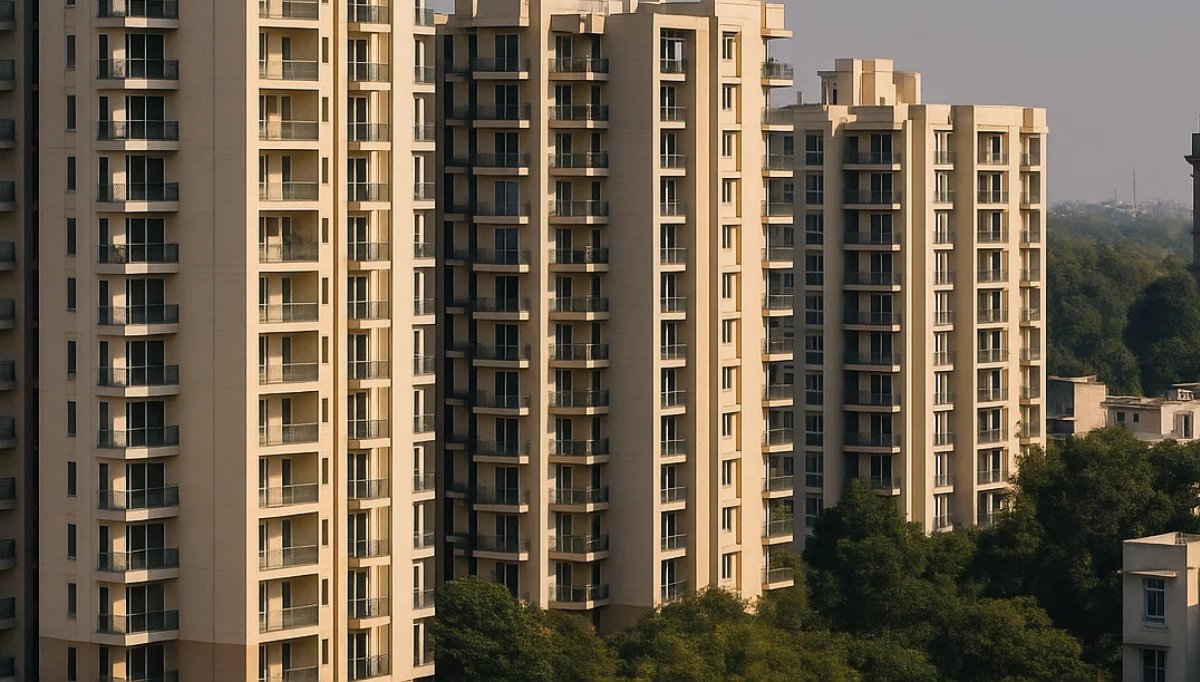

For years, Gurugram and Noida have shaped Delhi-NCR’s residential market, attracting homebuyers with established employment hubs, luxury housing and well-developed infrastructure. Today, the search for desirable homes is gradually extending to Ghaziabad, Greater Noida and emerging Gurugram corridors. This changing preference is being supported by improved connectivity and planned urban development. As the market evolves, homebuyers are looking beyond location alone, placing greater emphasis on architectural design, spacious layouts, lifestyle amenities and access to essential services, while seeking homes that offer convenience and support their professional commitments and personal aspirations.
High-speed transit fuels premium demand
Meanwhile, JLL’s Q2 2026 residential report shows 10,021 homes sold across Delhi-NCR, with Ghaziabad accounting for 18 per cent of sales. The operational Namo Bharat corridor is further strengthening the city’s connectivity and enhancing its appeal as an emerging destination for premium and luxury housing.
According to Amogh Bansal, Managing Director, MUREC, the expansion of NCR’s residential market reflects how infrastructure is influencing homebuyer preferences beyond established locations.
“As connectivity improves, buyers are exploring destinations that offer convenient access to employment centres while providing greater choice in housing and lifestyle. In Ghaziabad, the Delhi–Ghaziabad–Meerut Namo Bharat corridor, along with established road networks, is strengthening regional links and bringing the city into greater focus. This is creating opportunities for premium housing that combines accessibility with thoughtful design, spacious layouts and well-planned surroundings, making infrastructure an important factor in shaping the city’s residential growth,” Bansal said.
Emerging corridors redefining connectivity
While Ghaziabad’s story centres on its evolving residential identity, Gurugram illustrates how infrastructure can expand housing choices within an established urban hub. The SPR and Dwarka Expressway are opening up emerging sectors, improving access to commercial districts and strengthening links with the wider region.
Ashwani Kumar of Pyramid Infratech said infrastructure corridors often influence residential demand well before a location reaches full maturity, as buyers reassess commute patterns, accessibility, and the value of a particular address.
“In Gurugram, the Southern Peripheral Road and Dwarka Expressway are creating new points of interest beyond traditional residential catchments. For developers, this presents an opportunity to respond to a more evolved premium buyer someone who wants convenient access to business districts but is unwilling to compromise on space, privacy or the quality of the living environment. How these corridors integrate with the wider city will be crucial to sustaining their residential appeal,” Kumar said.
Moreover, Greater Noida brings a longer-term growth dimension to the story. Its planned urban framework, improved connectivity, and the economic potential associated with Noida International Airport at Jewar are drawing attention to the region.
Planned master plans and the Jewar Airport effect
The long-term success of an emerging residential destination depends on whether economic growth translates into a better everyday experience for its residents.
“Greater Noida has the advantage of planned urban development, while the Jewar airport and associated infrastructure could strengthen its economic relevance over time. The next phase will focus on ensuring residential growth keeps pace with this transformation through better social infrastructure, retail, healthcare, educational facilities, and recreational spaces. For premium homebuyers, future potential matters, but so does the confidence that a neighbourhood can meet their needs well beyond the home itself,” Yash Miglani, Managing Director, Migsun Group, concluded.
ALSO READ:
Housing and retail show sharper focus on location and experience; report highlights key shifts



