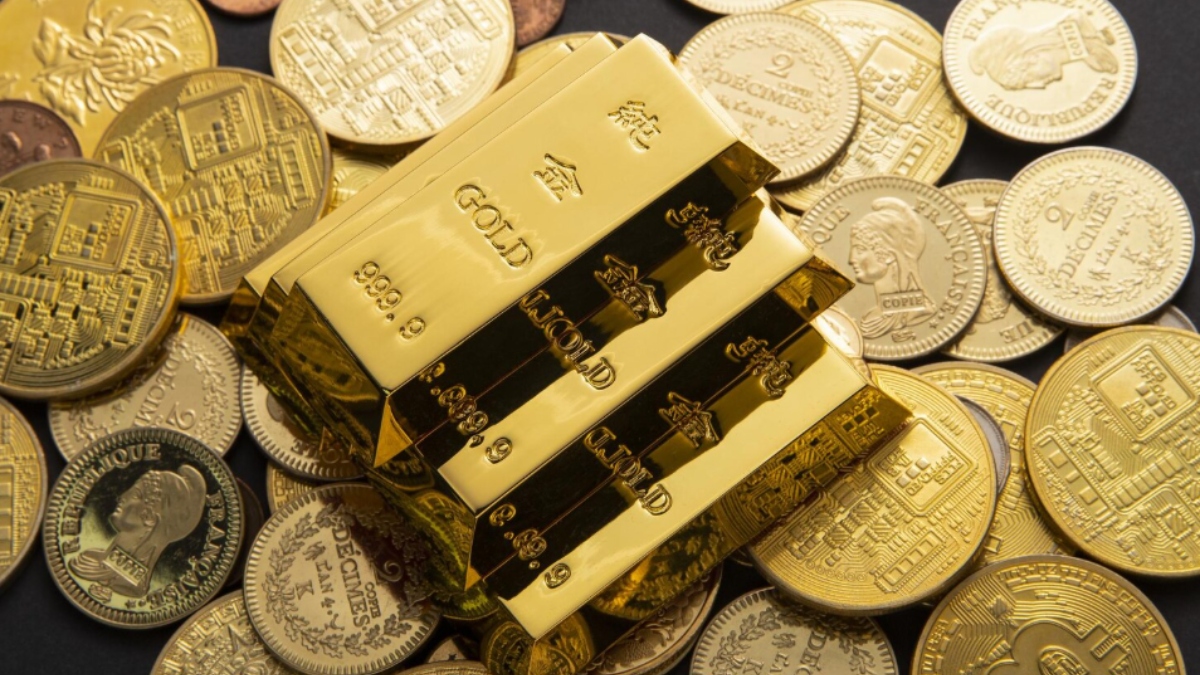

According to Shah, gold recycling is a highly efficient and sustainable solution to reduce India’s dependence on imported gold.
India’s trade deficit widened to an 11-month high of USD 32.15 billion in September, partly fueled by large-scale gold imports. While the government is taking a multi-pronged approach to tackle this issue, a robust and sustainable solution lies dormant within its own borders—the vast, privately held stockpile of household gold. In an interview with India TV, Keyur Shah, CEO of Muthoot Exim, emphasised that gold recycling is not merely a niche industry, but an “efficient and sustainable solution” with the potential to significantly alter the nation’s economic trajectory toward self-reliance.
Citing World Gold Council estimates, he underscored that Indian households collectively hold an astonishing 30,000 tonnes of gold. According to Shah, this enormous, but largely idle asset, represents a multi-billion-dollar opportunity. He also talked about challenges and opportunities in the field of gold recycling.
Here are edited excerpts of the interview:
Q: Gold Recycling – How efficient is this idea to cut imports and strengthen the economy?
Keyur Shah: Gold recycling is a highly efficient and sustainable solution to reduce India’s dependence on imported gold. By encouraging people to recycle unused or old gold, we can bring idle assets back into circulation, saving valuable foreign exchange. It also supports the domestic refining industry, creates employment and promotes responsible sourcing. Muthoot Exim’s organised recycling model ensures transparency, purity and efficiency in this process. As per World Gold Council estimates, private gold holdings of Indian households are around 30,000 tonnes and even a small rise in domestic recycling can significantly cut imports and strengthen the country’s economic foundation over time.
Q: What are the challenges and opportunities in gold recycling?
Keyur Shah: The biggest challenge in gold recycling lies in public awareness and trust. Many people still prefer to keep unused gold at home rather than recycle it, often due to fear of under-valuation or purity doubts. Another challenge is the dominance of the unorganised sector that lacks standardisation. However, the opportunity is huge. With growing financial literacy and trusted and organised sector platforms like Muthoot Gold Point Centres, more people are now realising the value of recycling gold safely and transparently. This not only benefits individuals but also supports India’s journey toward a more self-reliant and circular economy.
Q: The unorganised gold sector often faces issues of trust regarding purity and valuation. How do Muthoot Gold Points ensure complete transparency and standardisation in their testing and valuation processes to build long-term consumer confidence?
Keyur Shah: Muthoot Gold Point ensures 100 per cent transparency by allowing customers to watch the entire testing and evaluation process live. Each step, from weighing to purity testing, is performed using certified, state-of-the-art equipment in the customer’s presence. No purity testing or melting is done secretly. The gold is tested using XRF machines that guarantee accurate purity checks. Valuation is based on the current market rate, and customers receive instant payments through safe channels like NEFT, IMPS or RTGS. This open, standardised process helps build long-term trust and sets Muthoot Gold Point apart from the unorganised sector.
Q: Gold prices have been rising for a long time, but we witnessed a dip recently. How do you see this and what impact does it have on people’s buying?
Keyur Shah: Short-term fluctuations in gold prices are a natural part of the market cycle, influenced by global interest rates, currency movements, geopolitical factors, and inflationary trends. However, Indian consumers continue to see gold as a time-tested, safe and emotionally significant asset class. While short-term, sudden movements make consumers wait and watch, once prices stabilise, consumers return to fulfil their requirements (either to purchase or sell).
Q: Was there any new trend in gold buying or recycling this season?
Keyur Shah: Yes, we’ve seen a strong trend toward digital and responsible gold ownership. Platforms like Muthoot eSwarna enable customers to buy and save gold in 999 purity digitally, starting with small amounts. This convenience is attracting younger customers who prefer flexibility over traditional jewellery purchases. On the recycling side, more people are choosing organised players like because of transparent testing and instant payments. There’s also growing awareness around sustainability – people want to reuse existing gold instead of relying on mined sources. So, convenience and responsibility are shaping new buying behaviour.
Q: We have seen some good innovation in the gems segment (lab-grown diamond). Is there any such innovation in precious metals?
Keyur Shah: Innovation in precious metals is happening in different ways. While gold itself cannot be “lab-grown” like diamonds, there has been significant progress in digital gold solutions and sustainable recycling methods. Innovations in this segment make gold ownership safer, easier and more transparent. The focus now is not on creating synthetic gold but on improving accessibility, traceability and sustainability through technology. So, innovation in precious metals is more about experience and efficiency than material creation.
ALSO READ | Soil of Success: From a bank clerk to founder of India’s largest agri enterprise, journey of Anil Kumar SG