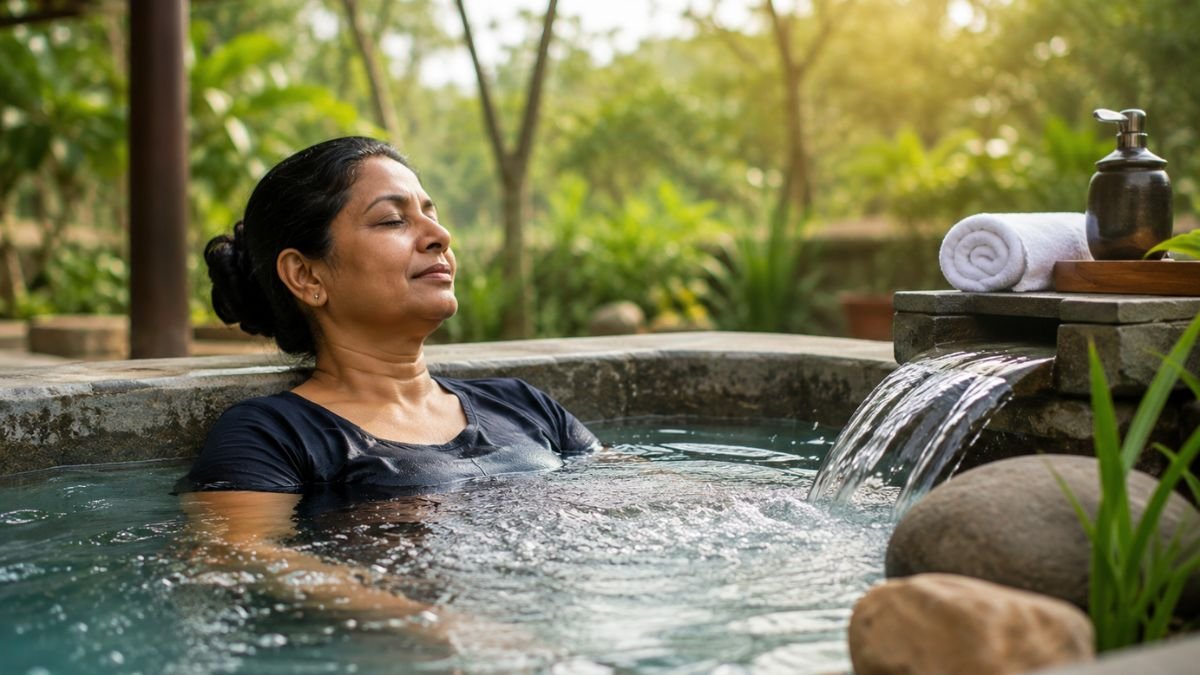

Water is one of the most essential components of life and is found abundantly in nature. Nearly 70 per cent of the Earth’s surface is covered by water, and the human body is made up of approximately 60 per cent water. Despite its importance for overall health, many people overlook its role when discussing wellness and healing.
According to Dr Narendra K Shetty, Chief Wellness Officer at Kshemavana Naturopathy and Yoga Centre, hydrotherapy, the therapeutic use of water, has been gaining popularity in recent years.
An ancient practice finds new relevance
The concept of using water for healing is far from new.
Roman bath complexes, which existed centuries ago, were not merely places for relaxation; they were also considered important centres for health and recovery. Similarly, Ayurvedic and naturopathic traditions have long used water-based therapies for detoxification, pain management and overall well-being.
As modern science continues to validate some of these traditional practices, hydrotherapy is experiencing a resurgence in popularity.
What does science say?
Research suggests that hydrotherapy may offer benefits for a variety of health conditions.
A 2024 review published in the Journal of Clinical Rheumatology found that hydrotherapy may benefit people living with arthritis, fibromyalgia and chronic pain. According to the review, hydrotherapy can complement conventional treatments and help improve overall comfort and mobility.
Studies have also shown that warm water immersion may reduce cortisol levels and ease muscle tension. These effects have been observed not only through patient feedback but also through measurable physiological changes.
Additionally, a 2025 study published in Frontiers in Immunology reported that cold-water immersion may positively influence both immune function and mood.
Why is hydrotherapy gaining popularity in India
Wellness centres and naturopathy facilities across places such as Kerala, Pune and Rishikesh are increasingly incorporating therapies like underwater massages, ice baths and contrast baths into their wellness programmes.
Rather than being viewed solely as luxury experiences, these therapies are now being integrated into broader health and wellness plans aimed at supporting recovery, relaxation and preventive care.
Simple ways to incorporate hydrotherapy
One of the biggest advantages of hydrotherapy is its accessibility.
Many hydrotherapy techniques can be practised at home without specialised equipment or expensive treatments.
Some common examples include:
- Alternating warm and cold showers
- Epsom salt foot baths
- Steam inhalation
- Soaking in warm water baths
These practices require little more than a few extra minutes and access to a bathroom.
According to the Ministry of AYUSH’s 2024 guidelines, several naturopathy centres have begun incorporating similar water-based therapies into their regular wellness programmes.
Dr Shetty points out that hydrotherapy remains one of humanity’s oldest healing tools, yet many people rarely think about it in their daily lives.
At a time when wellness products and treatments can be expensive and overwhelming, water serves as a reminder that some of the simplest health-supporting practices may already be available at home.
While hydrotherapy should not be considered a replacement for medical treatment, its growing popularity reflects an increasing focus on preventive healthcare, stress management and overall well-being.
Also read: From 80 kg to 64 kg: Fitness influencer reveals the diet plan behind her 16 kg weight loss