


Trying to lose weight often sounds simple. Eat less, move more. But in practice, the hardest part is not the plan, it is the hunger that comes with it. That constant feeling of not being quite full can wear you down over time.
A calorie deficit can start to feel like restriction. Smaller portions, skipping extras, thinking about food more than you want to. But it does not always have to work like that. Khushi Chhabra, a holistic health nutritionist and wellness content creator, shared a different approach in an Instagram video on March 27. Her focus is on eating smarter, not just eating less.
Why hunger feels harder during weight loss
One of the biggest challenges during fat loss is managing hunger. Khushi addressed this directly. She explained, “One of the biggest struggles during fat loss is hunger. The solution is not starving, it’s choosing foods that give you more volume for fewer calories.”
That shift in thinking matters. Instead of cutting everything down, the idea is to fill your plate in a way that keeps you satisfied.
Choosing foods that add volume without extra calories
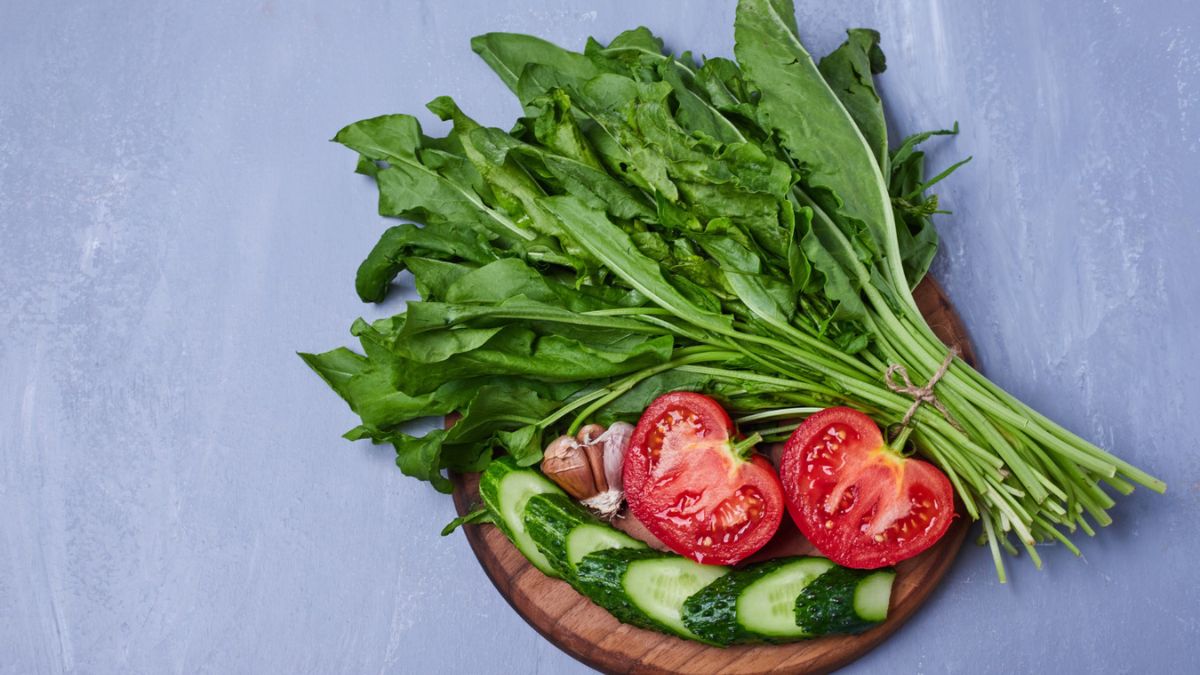
Certain foods naturally help with this. Mostly the ones high in water and fibre. They take up more space in your stomach but do not add too many calories.
Khushi explained, “These foods are naturally high in water and fibre, which means you can eat a large bowl and still keep calories low, while your stomach feels satisfied. Think of them as ‘diet fillers’ that help control cravings and prevent overeating later.”
So you are not trying to eat less food overall. You are just changing what goes on the plate.
“Diet filler” foods you can eat more of
Khushi shared a list of foods that work well for this approach. They can be added to meals or even eaten on their own.
- Cucumber
- Bottle gourd or lauki
- Zucchini
- Cabbage
- Cauliflower
- Leafy greens
- Tomatoes
- Mushrooms
- Watermelon
- Pumpkin
These foods add bulk to your meals without pushing your calorie intake too high, which makes them easier to include regularly.
How to actually include these foods in your meals
The idea is not to eat them separately all the time, but to mix them into what you already eat.
Khushi explained, “You can eat these with your main meals to increase the bulk of the meal and improve satiety. For example, add grated lauki in cheela to add more fibre and delay hunger pangs, pumpkin in dals, a lettuce cucumber salad with meals…so on!”
Small adjustments like this can make meals feel more filling without changing them completely.
What to snack on when hunger hits between meals
Snacking is another place where things can go off track. Khushi suggested choosing options that actually help you stay full instead of triggering more hunger.
She said, “When you need something between meals, choose snacks that improve satiety rather than triggering more hunger. Options like roasted makhana, popcorn, sprouts chaat, hung curd, egg whites, paneer cubes or buttermilk help keep you full for longer.”
These options tend to digest more slowly, which helps avoid sudden hunger spikes.
The simple idea that makes fat loss easier
At the core, the approach is quite straightforward. Build your meals around fibre, water-rich foods and enough protein.
Khushi’s point is that when you do this, calorie control happens more naturally. You feel fuller, cravings stay in check, and the process feels less restrictive.
It is not about forcing yourself to eat less. It is about making your meals work a bit better for you.
Disclaimer: Tips and suggestions mentioned in the article are for general information purposes only and should not be construed as professional medical advice. Always consult your doctor or a dietician before starting any fitness programme or making any changes to your diet.
ALSO READ: Trying to lose weight but not seeing results? These 3 hormones could be the reason



