


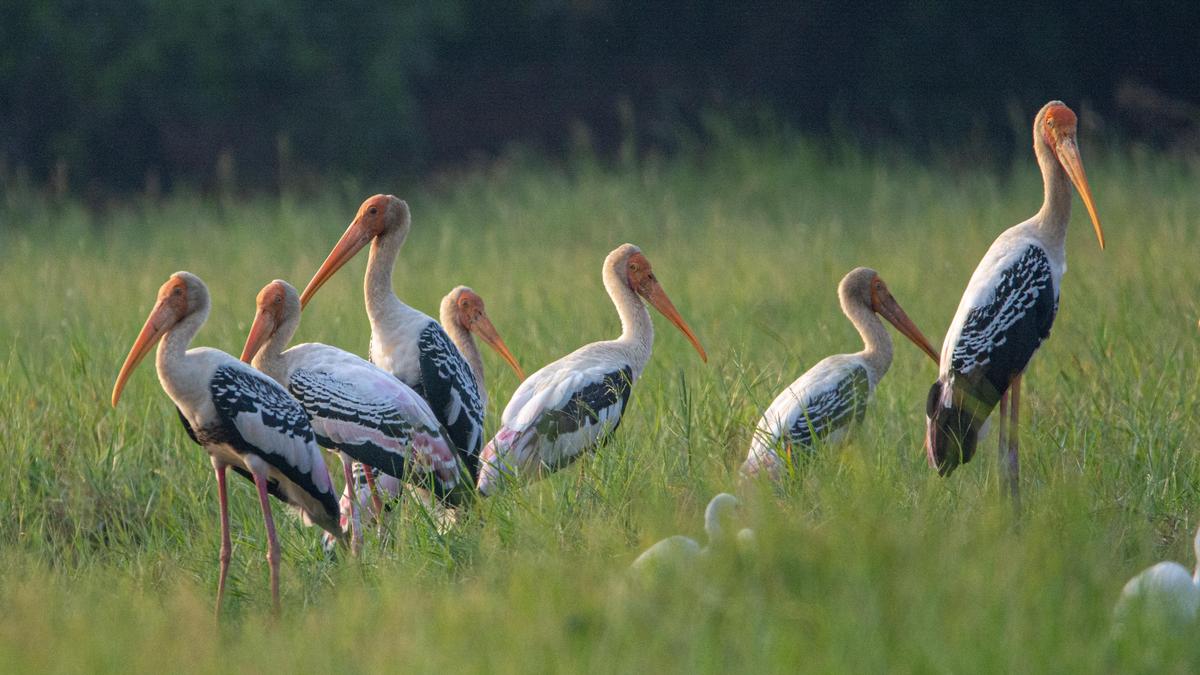
Painted Storks
| Photo Credit: Special Arrangement
Data from the recently concluded Asian Waterbird Census 2026 indicate a substantial upward trend in avian frequency in Kollam district.
With a documented total of 19,555 birds representing 87 species, the census shows a 60% quantitative increase over the previous year’s figures. While environmental factors are at play, the broader scope of this year’s study, specifically the integration of the Pochappuram wetlands, contributed to this notable spike in recorded biodiversity.
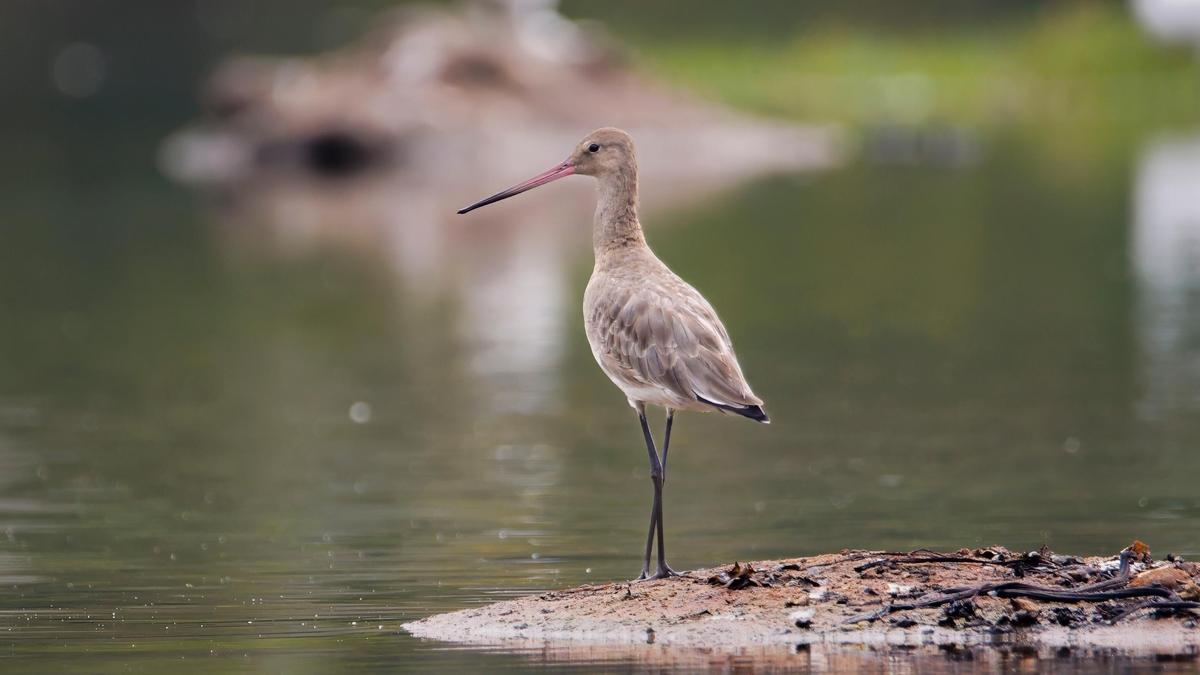
Black-tailed Godwit
| Photo Credit:
Special Correspondent
The survey was a major collaborative effort led by the WWF-India and the Kollam Birding Battalion, with support from the Social Forestry Division of the Kerala Forest department and Fatima Mata National College, Kollam. A dedicated team of 73 volunteers, including students from Fatima Mata College, S.N. College, and St. Gregorios College, Kottarakara, carried out the extensive field exercise to map the district’s avian diversity.
Highest spotting
The Vellanathuruthu beach emerged as the district’s top birding hotspot, hosting 3,983 birds from 42 species. The area was particularly popular with migratory shorebirds, including large flocks of Lesser black-backed gulls and Brown-headed gulls.
Meanwhile, the Sakthikulangara-Neendakara harbours recorded the second-highest numbers with 3,248 individuals, though the diversity was lower, consisting primarily of Little egrets and Brahminy kites.
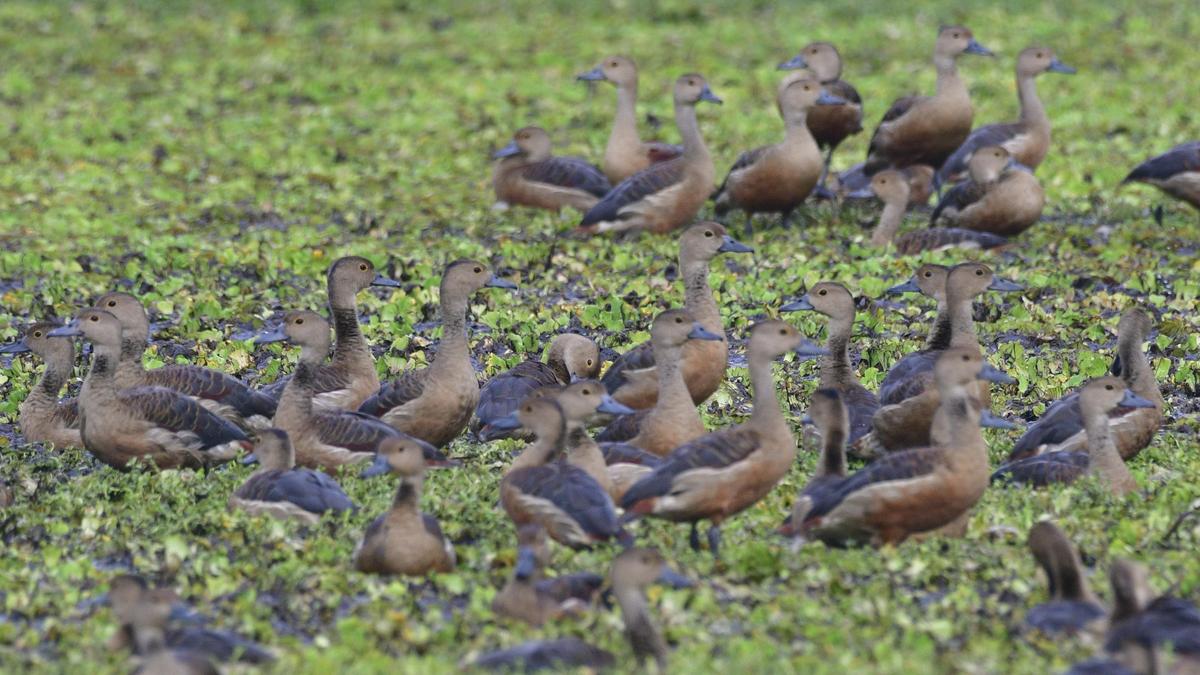
The Polachira wetland, which is now fully water-filled, saw the bird community change from storks and pelicans to ducks and cormorants, with Lesser whistling ducks and Cotton pygmy geese dominating the count. Additionally, the newly added Pochappuram wetland proved to be a critical site, as it was the only location to report the near-threatened Black-tailed Godwit, a champion long-distance migrant.
Black-tailed Godwit.
| Photo Credit:
Special Arrangement
Despite the celebratory overall numbers, the census highlighted some worrying ecological trends. Several areas, including Munroe Island, Cheeloor, Umayanalloor, Kappil-Pozhikkara and the Ashtamudi belt reported lower counts. The Garganey duck, a regular winter visitor, was entirely absent from all 15 sites. However, the presence of 14 Asian woolly-necked storks at Umayanalloor emerged as a key highlight, providing encouraging data on a species critical to conservation efforts. “The remarkable 60% jump in bird numbers is a testament to the collective efforts in wetland monitoring and highlights the critical role these habitats play for both resident and migratory waterbirds. However, the localised declines and the missing Garganey duck underscore the need for sustained, site-specific conservation actions to address pressures on these vital ecosystems,” said A.K. Sivakumar and Ampady S., census coordinators.
Published – January 30, 2026 06:34 pm IST



