

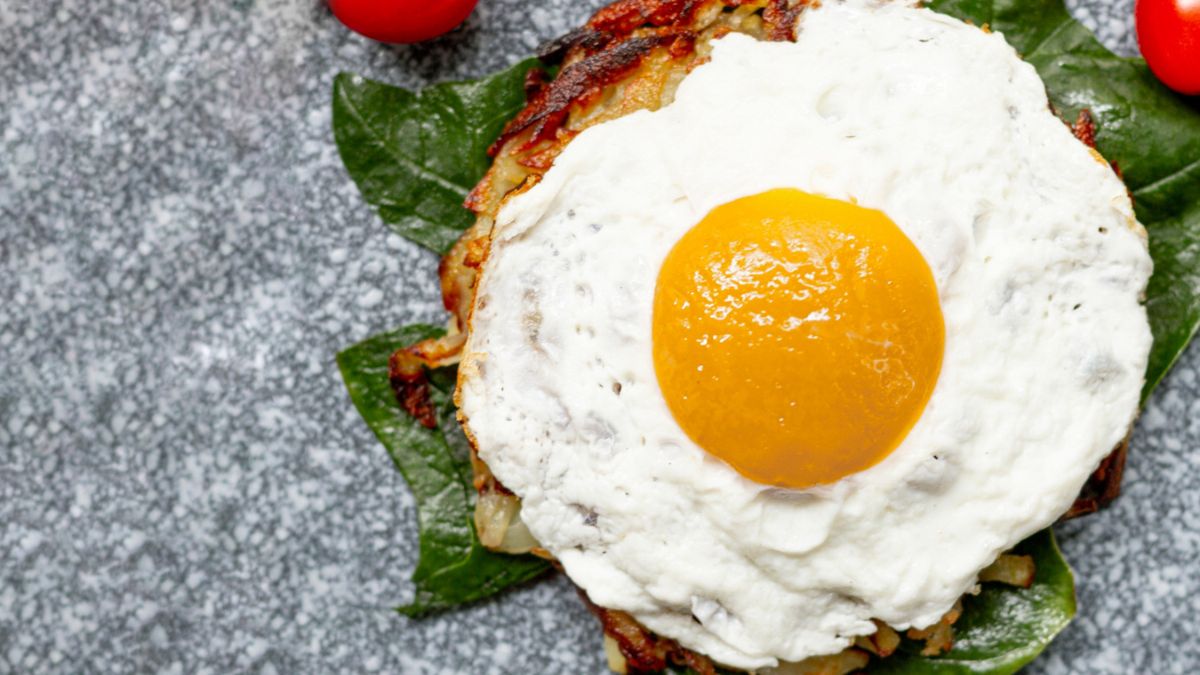

For years, egg yolks have worn the villain tag. Too fatty. Too high in cholesterol. Something to be pushed aside if you were trying to eat “clean”. But a recent Instagram post by Delhi-based cardiologist and functional medicine expert Dr Alok Chopra, who brings more than four decades of clinical experience, has brought the conversation back into focus. And not in a dramatic way. Just…calmly corrective.
In his post, Dr Chopra revisits the long-running fear around yolks and nudges people to look at the full nutritional picture instead of isolating one component. The tone is simple. Balanced. More about understanding food than policing it.
Why egg yolks were misunderstood for years
The fear traces back to older cholesterol narratives. Yolk equals cholesterol. Cholesterol equals heart risk. That linear assumption shaped diet advice for decades. But dietary cholesterol and blood cholesterol do not operate identically. The body regulates much of its own cholesterol production, adjusting based on intake and metabolic needs. Which makes the blanket fear around yolks less medically rigid than once believed.
What actually sits inside an egg yolk
Remove the yolk and you strip away a significant portion of the egg’s nutrition.
Key nutrients concentrated in the yolk include:
- Vitamins A and E
- Omega-3 fatty acids
- B-carotene
- Healthy fats
- Fat-soluble antioxidants
- A share of the egg’s complete protein value
Eggs contain roughly 7 grams of protein and about 5 grams of fat overall, with most micronutrients sitting in the yolk. It is where the density lies.
Cholesterol debate, revisited
Dr Chopra’s post addresses the cholesterol concern directly. He says, “Eggs are packed with cholesterol. However, recent research shows that dietary cholesterol has no effect on blood cholesterol.” Another important point. Around 80 to 85 percent of cholesterol is produced internally by the liver, not sourced directly from food intake. Which reframes eggs as part of the equation, not the sole trigger.
Egg whites vs yolks: The incomplete swap
Egg whites are protein-rich, yes. But isolating them removes fat-soluble vitamins and nutritional synergy. The post phrases it sharply, “Egg white WITHOUT the yolk is an inflammatory protein. While WITH it, it becomes a power packed punch of nutrients.” Inflammatory responses can vary individually, but the broader takeaway stands. Whole foods tend to function more effectively when consumed whole.
Practical nutrition pointers
Some grounded takeaways from the post:
- Eat the whole egg rather than just whites
- Focus on egg quality, not just quantity
- Choose pasture-raised or free-range eggs where possible
- Balance eggs within a varied diet
As noted in the post, “Make sure you eat organic pastured eggs only from chickens who move freely in sunlight and are free-range hens.”
The bigger takeaway
Egg yolks are not miracle foods. But they are not nutritional villains either. They deliver fats, vitamins and compounds the body uses daily. The shift, perhaps, is less about adding more yolks and more about removing unnecessary fear. Understanding food. Instead of fearing it.
ALSO READ: Not eating eggs daily? Hyderabad doctor says you are missing these 4 health benefits



