


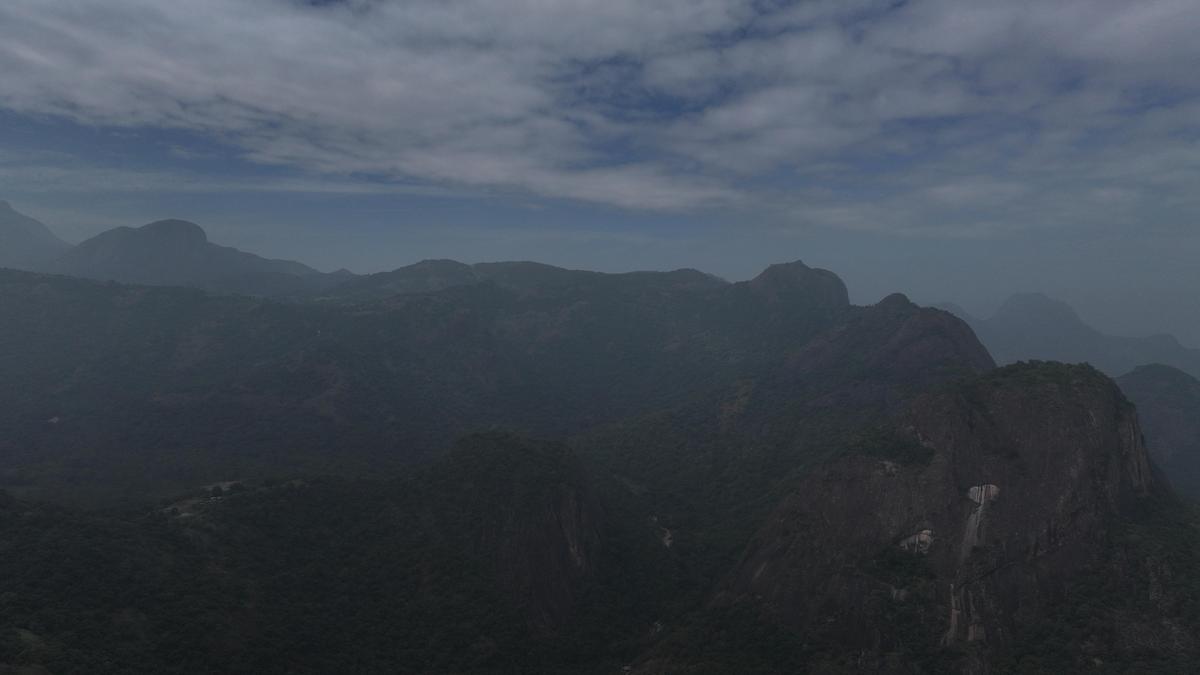
The Western Ghats has contributed significantly to the growth of biotechnology and genetic engineering.
| Photo Credit: file photo
Principal Secretary of Department of Forest, Environment and Ecology Srinivasulu said that despite high ecological and scientific significance of the Western Ghats, people living around the Ghats were yet to fully appreciate its value for the future of humanity.
speaking after inaugurating a seminar on “Impact and Influence of the Western Ghats on Agriculture and Economy in Peninsular India” organised by Eco Watch at the University of Agricultural Sciences in Dharwad on Friday, Mr. Srinivasulu said that scientists played a crucial role in ushering in the Green Revolution.
Referring to the contribution of biodiversity to healthcare, he said medicines used to treat diseases such as malaria had their roots in the flora of the Western Ghats. “Nearly 25 per cent of modern medicines originate from the trees, bark, herbs and grasses found in the Western Ghats. Unfortunately, while the final pharmaceutical products are promoted widely, little attention is given to the natural resources that form their foundation,” he said.
Mr. Srinivasulu said that the Western Ghats had contributed significantly to the growth of biotechnology and genetic engineering and stressed the need for retaining Western Ghats as an inseparable part of human life.
Environmentalist Suresh Heblikar expressed concern over changing agricultural patterns and pointed out that sugarcane was increasingly being cultivated as a monocrop over large areas. The need for such monocrop cultivation should be seriously rethought, he said.
Citing various reports, he said that landslides in the Western Ghats were increasing owing to unscientific deforestation, hill cutting and steep slope alterations.
Presiding over the inaugural session, Vice-Chancellor of University of Agricultural Sciences Dharwad P.L. Patil called upon forestry students to become “warriors” in protecting the Western Ghats.
Published – May 16, 2026 12:24 am IST



