


Trying to lose weight often turns into a “high-protein everything” phase. Protein bars. Protein shakes. Extra cheese. Packaged snacks promising gains. But honestly, just because something contains protein does not automatically make it healthy.
Online fitness coach Leonie Gref recently shared a list of protein-rich foods that may actually work against weight-loss goals. The point was simple. Protein matters, yes. But the quality of the food matters too.
Protein-rich foods that may not help with weight loss
1. Processed meats
Processed meats like bacon and sausages may contain protein, but they are also high in fats and additives. Leonie pointed out that ultra-processed foods are generally best avoided when trying to eat healthier.
2. Breaded or fried chicken
Chicken is usually considered a great lean protein source. But once it is breaded and deep-fried, the extra calories from oil can reduce the overall health benefits significantly.
3. Fatty cuts of red meat
Red meat provides protein that the body absorbs well, but some cuts contain very high amounts of saturated fat. According to Leonie, these fattier portions are not the best choice for a weight-loss diet.
4. Protein bars
Protein bars often look healthy on supermarket shelves, but many are packed with added sugar. Leonie described them as “candy in disguise,” warning that they can quietly push calorie intake much higher.
5. Flavoured yoghurt
Flavoured yoghurts can also contain large amounts of added sugar. While they are marketed as healthy snacks, they may increase sugar intake more than expected.
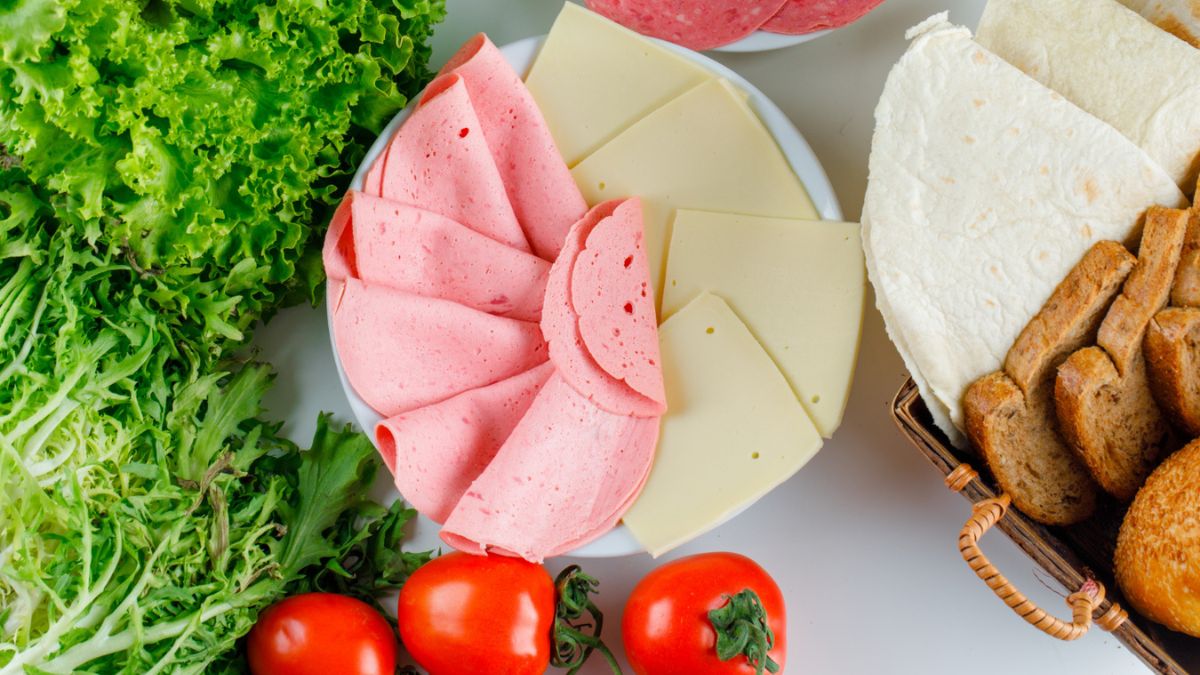
6. Deli meats
Cold cuts and deli meats are convenient, but Leonie cautioned that they are often loaded with sodium and preservatives, which may negatively affect overall health.
7. Fast food
Burgers and other fast foods may technically contain protein, but Leonie warned that it is usually low-quality protein. The high-calorie content also makes these foods less useful for people trying to lose weight.
8. Protein shakes
Not every protein shake is automatically healthy. Some contain surprisingly high amounts of added sugar, which is why checking nutrition labels carefully is important before buying them.
9. Cheese-heavy meals
Some meals become “high-protein” mainly because they are overloaded with cheese. According to Leonie, that can easily increase calorie intake and derail a diet plan.
10. Plant-based meats
Leonie also warned against assuming all plant-based meat alternatives are healthy. Many highly processed versions are not as “lean or clean” as they appear.
ALSO READ: Why protein bars and salads may be triggering digestive issues
Weight loss is rarely about cutting out one thing completely. Usually, it comes down to balance, portion sizes and paying attention to what actually goes into packaged “healthy” foods. Sometimes the label sounds healthier than the product itself. That’s the tricky part.



