

By using this site, you agree to the Privacy Policy and Terms of Use.
Accept
India Times NowIndia Times NowIndia Times Now
Notification Show More
Font ResizerAa
  • Bharat Shreshtha Ratna Sanman
  • India News
  • Categories
    • Technology
    • Entertainment
    • The Escapist
    • Insider
    • Finance ₹
    • India News
    • Science
    • Health
Reading: Quiet burnout is rising and it doesn’t look like a breakdown, psychotherapist explains
Share
India Times NowIndia Times Now
Font ResizerAa
  • Bharat Shreshtha Ratna Sanman
  • India News
  • Categories
Search
  • Bharat Shreshtha Ratna Sanman
  • India News
  • Categories
    • Technology
    • Entertainment
    • The Escapist
    • Insider
    • Finance ₹
    • India News
    • Science
    • Health
Have an existing account? Sign In
Follow US

Home » Quiet burnout is rising and it doesn’t look like a breakdown, psychotherapist explains

FashionLifestyleTravelVacation

Quiet burnout is rising and it doesn’t look like a breakdown, psychotherapist explains

Times Desk
Last updated: April 18, 2026 10:39 am
Times Desk
Published: April 18, 2026
Share
SHARE


Contents
  • The burnout no one notices
  • Why modern work makes it worse
  • It is not a personal failure
  • Why recognising it early matters
New Delhi:

Burnout is often imagined as a breaking point. Someone who is quitting suddenly. A visible collapse. A moment where everything clearly falls apart.

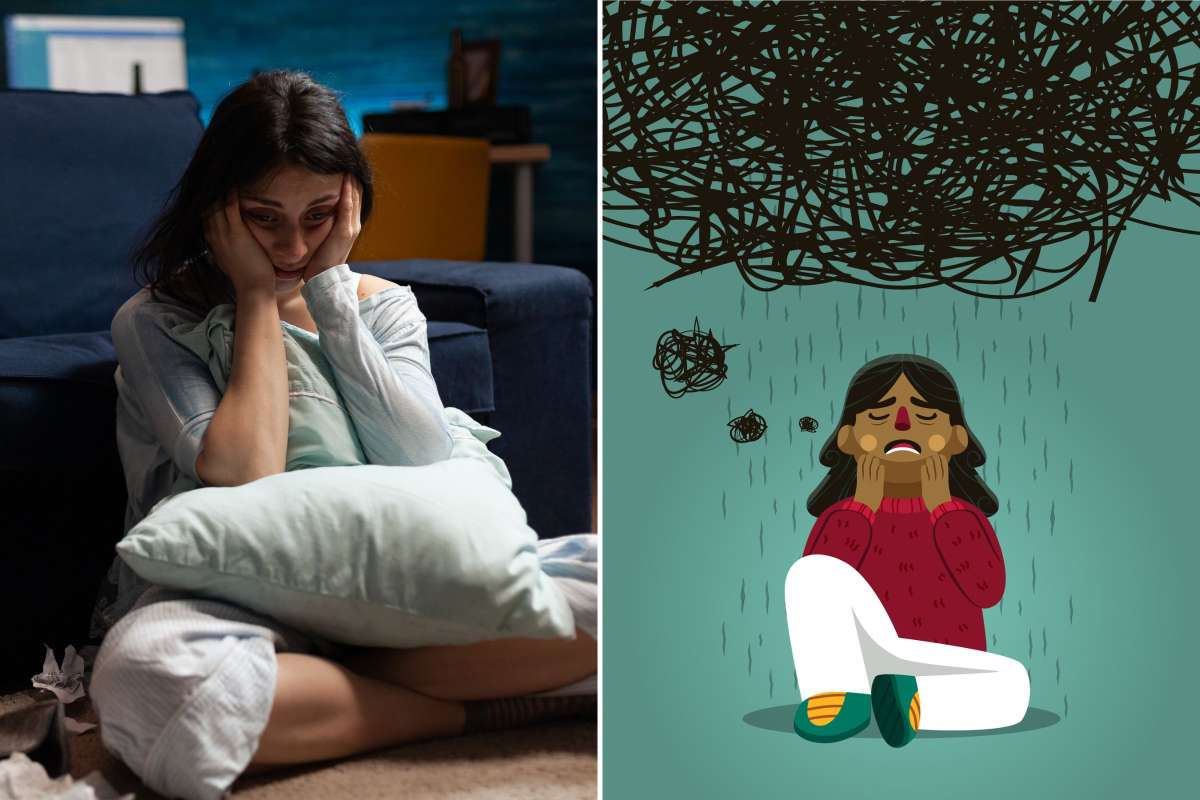
But that is not how it usually shows up. More often, burnout is quieter. However, individuals keep signing in, answering emails, attending meetings, and meeting deadlines. On the surface, everything looks perfectly fine. But internally, something has shifted.

The burnout no one notices

Quiet burnout does not arrive overnight. It builds slowly. Motivation fades. There is a loss of emotional involvement in the workplace. One gradually loses the feeling of being important, for no apparent reason at all. As Dr Chandni Tugnait, psychotherapist and founder of Gateway of Healing, explains, this is a state of chronic depletion, where individuals continue to function but feel increasingly disconnected from what they do.

Because nothing visibly breaks, it often goes unnoticed for a long time.

Why modern work makes it worse

Today’s work culture has made this form of burnout more common.

These distinctions between work and personal life are increasingly hard to make, particularly with regard to remote and hybrid working environments. Remaining continuously accessible to others is now the default position, and thus, individuals find it difficult to switch off from work.

The problem is that the body cannot discern the distinction between the work state and the relaxation state. Despite having time for one’s health and wellbeing, the individual feels they are not recovering.

There is always an implied responsibility to remain actively participating and positive all the time. This results in exhaustion, but with continued high performance.

It is not a personal failure

Quiet burnout is often misunderstood. It is not about a lack of resilience or effort. It is, as Dr Tugnait points out, a predictable response to systems that consistently demand more than they give back. The danger lies in how invisible it is.

When burnout is loud, it gets attention. When it is quiet, it gets normalised.

Why recognising it early matters

The first step is awareness. Noticing persistent fatigue, emotional detachment, or a lack of fulfilment even when work is going “well” can be important signals. Dr Tugnait emphasises that recognising burnout requires honesty. Individuals need to acknowledge how they are actually feeling, not just how they appear to be functioning. At the same time, organisations need to reflect on the expectations they place on people.

Burnout does not always look like a crisis. Sometimes, it looks like consistency without connection. Productivity without energy. Showing up without feeling present. And that is exactly why it is easy to miss. Because burnout that is never named is burnout that never gets addressed.

Also read: Feeling overwhelmed at work? Expert shares simple ways to manage stress


Source link

The story behind India’s 30 ml peg and why it still sets the drinking standard
Not an introvert, not an extrovert: Mental health experts explain the rise of the ‘otrovert’ personality
‘The hardest battle is mental’: Sunaina Roshan gets candid about weight loss journey
November 9 special days 2025: From World Freedom Day to Uttarakhand Day
Not a fan of vegetables? Gastroenterologist lists 10 fibre-rich foods that can still meet your daily needs
TAGGED:breakdownburnoutburnout without quitting jobchronic work stress symptomsdoesntDr Chandni Tugnait adviceemotional detachment workexplainsmental exhaustion workplacepsychotherapistquietquiet burnout signsremote work stress burnoutrisingwork life balance burnout India
Share This Article
Facebook Email Print
Leave a Comment

Leave a Reply Cancel reply

Your email address will not be published. Required fields are marked *

Follow US

Find US on Social Medias
FacebookLike
XFollow
YoutubeSubscribe
TelegramFollow

Weekly Newsletter

Subscribe to our newsletter to get our newest articles instantly!
[mc4wp_form]
Popular News

Bankers urged to be alert to prevent cybercrimes

Times Desk
Times Desk
November 17, 2025
Bridgerton Season 4 early review out: Netflix show leaves fans impressed after Paris premiere
A septuagenarian and her bid to preserve the legacy of Dasara dolls
Surge in cyber crime and drunk driving lead to 12% jump in number of inmates in Telangana prisons
Irate Karnataka villagers lock up forest staff inside tiger trap cage in Bandipur
- Advertisement -
Ad imageAd image
Global Coronavirus Cases

Confirmed

0

Death

0

More Information:Covid-19 Statistics
© INDIA TIMES NOW 2026 . All Rights Reserved.
Welcome Back!

Sign in to your account

Username or Email Address
Password

Lost your password?

