


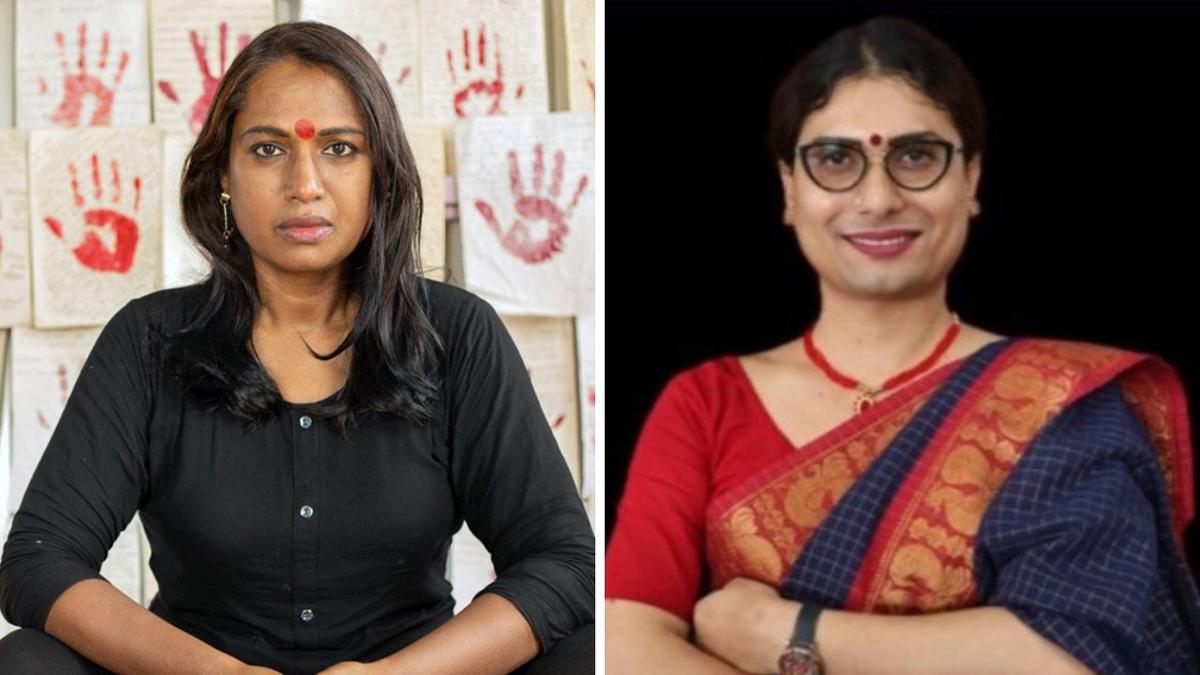
NCTP Southern region representative Kalki Subramaniam (left) and North East region representative Rituparna Neog (right) resigned from the council on March 25, 2026.
| Photo Credit: Special Arrangement, LinkedIn/@Rituparna Neog
Soon after the Rajya Sabha passed the Transgender Persons (Protection of Rights) Amendment Bill 2026, which takes away the right to self-determination of gender, two members and community representatives resigned from their posts at the National Council for Transgender Persons (NCTP). They cited the amendment Bill which they called “a step backward for our fundamental rights to self-identification and dignity.”
Kalki Subramaniam, member and Southern region representative, submitted her resignation to the Union Minister, stating that she cannot continue to hold a seat at a table where “collective voice has been silenced on a matter of such existential importance.”

Ms. Subramaniam said she will be filing a Public Interest Litigation (PIL) in the Supreme Court, with many others.
Rituparna Neog, member and North East region representative, said, “I cannot be a part of something that refused to listen to the community,” she told The Hindu on Wednesday evening (March 25, 2026).
Ms. Neog wrote in her resignation, “As a statutory representative, my primary mandate is to advise the Government on legislation affecting our lives. The decision to move this Bill forward without any formal consultation with me or other community representatives of the NCTP undermines the very purpose for which this Council was established.”

Ms. Subramaniam wrote in her resignation letter, “I have spent the last several weeks in constant dialogue with the transgender and intersex communities across the Southern Indian states and throughout the nation. The consensus is absolute: this Bill is seen as a step backward for our fundamental rights to self-identification and dignity.”
“I already feel immense support and solidarity from the community for my decision. I know they are happy; I want them to be happy. I stand with them as one of them now,” Ms. Subramaniam told The Hindu.
Last week, the members stated that they were not consulted before the Bill was introduced. It was only on Saturday (March 21, 2026) that government officials invited NCTP members to discuss it. Despite explaining how the amendments would lead to exclusion and erasure of many in the community, the Bill was passed in the Lok Sabha on Tuesday (March 24, 2026).
By removing the guarantee of self-perceived identity, narrowing the definition of who qualifies as transgender, and introducing layers of medical and administrative scrutiny, critics say the law risks excluding many from its protections.

For the transgender community, the changes represent not just a policy shift but a reversal of years of hard-won legal principles on dignity, autonomy, and self-determination that have guided India’s approach to transgender rights over the past decade. Organisations working in the community have started setting up crisis helplines and are mobilising mental health professionals as uncertainty and distress rise.
Published – March 25, 2026 10:00 pm IST



