

By using this site, you agree to the Privacy Policy and Terms of Use.
Accept
India Times NowIndia Times NowIndia Times Now
Notification Show More
Font ResizerAa
  • India News
    India News
    Politics is the art of looking for trouble, finding it everywhere, diagnosing it incorrectly and applying the wrong remedies.
    Show More
    Top News
    The States Braces for Protests Over New COVID Rules
    August 29, 2021
    R. Venkataramani re-appointed as Attorney General
    September 26, 2025
    CPI(M) fielding candidates with criminal links: Satheesan
    November 30, 2025
    Latest News
    Pahalgam terror attack: Govt appoints Karambir Singh Nalwa as Special Public Prosecutor to lead trial
    April 22, 2026
    Fuel, LPG supplies in Telangana stable, OMCs have sufficient stocks
    April 22, 2026
    TN Assembly elections: Tirupattur’s Jawadhu Hills gets first green polling booth
    April 22, 2026
    More than 3.4 lakh election officials, EVMs dispatched to polling booths across T.N.
    April 22, 2026
  • Technology
    TechnologyShow More
    Strengthening the Team: Thryve PR Onboards Pranjal Patil as PR Executive & Project Manager
    October 1, 2025
    How to Take the Perfect Instagram Selfie: Dos & Don’ts
    October 1, 2021
    Apple iMac M1 Review: the All-In-One for Almost Everyone
    Hands-On With the iPhone 13, Pro, Max, and Mini
    September 4, 2021
    Apple VS Samsung– Can a Good Smartwatch Save Your Life?
    August 30, 2021
  • Posts
    • Post Layouts
      • Standard 1
      • Standard 2
      • Standard 3
      • Standard 4
      • Standard 5
      • Standard 6
      • Standard 7
      • Standard 8
      • No Featured
    • Gallery Layouts
      • Layout 1
      • Layout 2
      • layout 3
    • Video Layouts
      • Layout 1
      • Layout 2
      • Layout 3
      • Layout 4
    • Audio Layouts
      • Layout 1
      • Layout 2
      • Layout 3
      • Layout 4
    • Post Sidebar
      • Right Sidebar
      • Left Sidebar
      • No Sidebar
    • Review
      • Stars
      • Scores
      • User Rating
    • Content Features
      • Inline Mailchimp
      • Highlight Shares
      • Print Post
      • Inline Related
      • Source/Via Tag
      • Reading Indicator
      • Content Size Resizer
    • Break Page Selection
    • Table of Contents
      • Full Width
      • Left Side
    • Reaction Post
  • Pages
    • Blog Index
    • Contact US
    • Search Page
    • 404 Page
    • Customize Interests
    • My Bookmarks
  • Join Us
Reading: After Supreme Court ruling, industries still face higher rates
Share
Font ResizerAa
India Times NowIndia Times Now
  • Finance ₹
  • India News
  • The Escapist
  • Entertainment
  • Science
  • Technology
  • Insider
Search
  • Home
    • India Times Now
    • Home 2
    • Home 3
    • Home 4
    • Home 5
  • Categories
    • Technology
    • Entertainment
    • The Escapist
    • Insider
    • Finance ₹
    • India News
    • Science
    • Health
  • Bookmarks
    • Customize Interests
    • My Bookmarks
  • More Foxiz
    • Blog Index
    • Sitemap
Have an existing account? Sign In
Follow US

Home » After Supreme Court ruling, industries still face higher rates

CryptocurrencyFinance ₹Investment

After Supreme Court ruling, industries still face higher rates

Times Desk
Last updated: February 20, 2026 5:39 pm
Times Desk
Published: February 20, 2026
Share
SHARE


Contents
  • Autos
  • Pharmaceuticals
  • Furniture
  • Food and consumer packaged goods

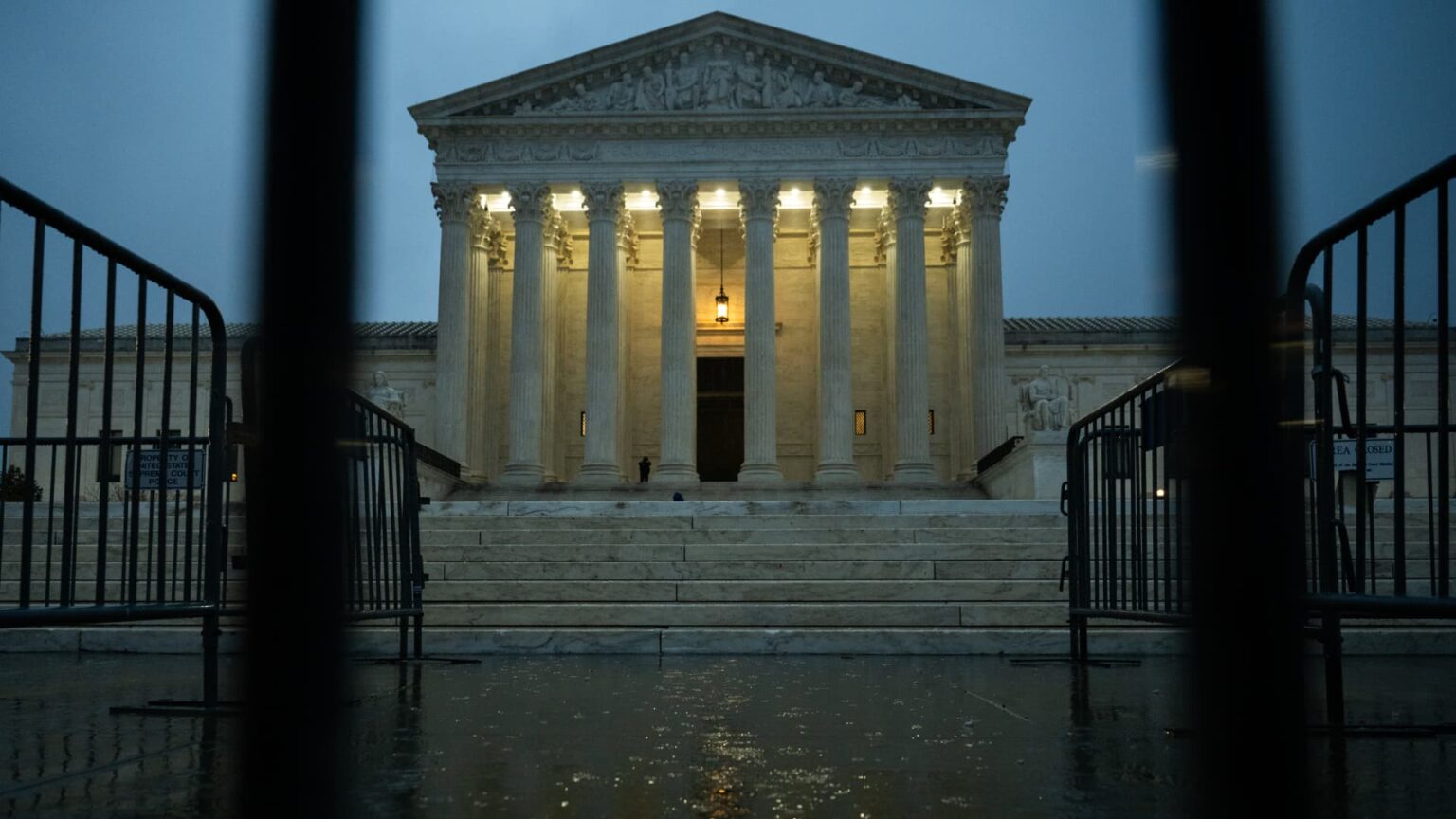
The Supreme Court during a rain storm in Washington, Feb. 20, 2026.

Annabelle Gordon | Bloomberg | Getty Images

The Supreme Court on Friday ruled that President Donald Trump’s country-specific so-called “reciprocal” tariffs are unconstitutional, delivering a win for many consumer companies facing higher import costs.

But the ruling doesn’t cover all sectors.

The Supreme Court reviewed tariffs enacted under the International Emergency Economic Powers Act of 1977, or IEEPA, which the Trump administration used to justify the sweeping tariff agenda. The act had never before been used by a president to impose tariffs.

In a 6-3 decision, the Supreme Court ruled that IEEPA “does not authorize the President to impose tariffs.”

Still, the Supreme Court’s ruling does not cover tariffs enacted under Section 232 of the Trade Expansion Act of 1962. Those duties are intended to target specific products that threaten national security, and remain in effect after Friday’s ruling.

Separate from his country-specific rates, Trump has raised tariffs on imports of steel, semiconductors, aluminum and other products deemed to impair national security.

Here are the sectors still facing higher levies even after the Supreme Court decision.

Autos

It’s not immediately clear how much the decision will impact the U.S. and global automotive industry. The industry continues to face billions of dollars in tariff costs, depending on where an imported auto part or vehicle originates.

The Trump administration last year broadly implemented 25% tariffs on vehicles and certain auto parts imported into the U.S., citing national security risks. It has since struck independent deals to lower the levies to 10% to 15% with countries such as the United Kingdom and Japan. Others, such as South Korea, have also struck deals for lower rates, but it’s unclear if those changes have actually taken effect.

America’s largest automaker, General Motors, last month said it expects between $3 billion and $4 billion in tariff costs this year, and Ford Motor earlier this month said its net tariff impact is expected to be roughly flat year-over-year at $2 billion in 2026.

Neither Ford nor GM immediately responded to a request for comment on the Supreme Court decision and whether it changes those forecasts.

Pharmaceuticals

The pharmaceutical industry is facing a lot of uncertainty over tariffs. Trump has repeatedly threatened tariffs on pharmaceutical imports, though they haven’t yet taken effect, in part because of negotiated multi-year deals between the administration and drugmakers.

If that were to change, however, pharmaceutical tariffs would still be covered under Section 232.

The administration has floated imposing tariffs on the industry that could eventually reach up to 250%. Last July, he threatened 200% tariffs on pharmaceuticals, and the administration has already opened a Section 232 investigation into pharmaceuticals to investigate the impact of imports on national security.

The tariff threats are a move to push drug companies to manufacture in the U.S. instead of abroad.

In December, multiple companies inked a deal with Trump to voluntarily lower their prices in exchange for a three-year exemption from any pharma tariffs – as long as they invest further in U.S. manufacturing. That deal included major players like Merck, Bristol Myers Squibb, Novartis and more.

Furniture

The furniture industry found little relief from Friday’s Supreme Court ruling.

Last fall, items like couches, kitchen cabinets, vanities and more were hit with higher tariffs under Section 232. The roughly 25% duties will remain in place even after the IEEPA tariffs were deemed unconstitutional.

The furniture industry is already facing greater uncertainty, with the 25% tariff expected to rise to 50% in 2027, and more broad pressures from higher interest rates and inflation.

Smaller companies are getting hit the hardest with fewer resources to work with, while larger companies are facing bankruptcy, like Value City Furniture’s parent company, which went out of business late last year.

Food and consumer packaged goods

Under Section 232, steel and aluminum imports into the U.S. are still tariffed.

With higher aluminum tariffs, companies like Coca-Cola, PepsiCo, Keurig Dr Pepper and Reynolds will continue to face higher costs associated with manufacturing their products.

Trump hiked aluminum tariffs to 50% last year.

Still, some of the key tariffs for the sector have been rolled back, even before Friday’s ruling.

In November, Trump issued an executive order exempting several hundred agricultural products, ranging from bananas to coffee to spices, from tariffs. And in September, he similarly rescinded a 10% tariff on Brazilian pulp, a key component of paper towels, diapers and toilet paper.

– CNBC’s Mike Wayland, Annika Kim Constantino, Gabrielle Fonrouge and Amelia Lucas contributed to this report.



Source link

Hedge fund manager Rob Citrone is short U.S. stocks. Here’s why
Views for next Fed rate cut pushed back after hot inflation report
Buy stocks if S&P 500 falls to this level: Evercore ISI’s Emanuel
Ken Griffin’s flagship hedge fund at Citadel rises 10.2% in volatile 2025
Crypto’s ‘age of speculation’ is over, says Galaxy CEO Mike Novogratz
TAGGED:Breaking News: BusinessBreaking News: EconomyBreaking News: PoliticsBusinessbusiness newsDonald J. TrumpDonald TrumpEconomyFood and drinkPharmaceuticalsPoliticsRetail industryTradeTransportation
Share This Article
Facebook Email Print
Leave a Comment

Leave a Reply Cancel reply

Your email address will not be published. Required fields are marked *

Follow US

Find US on Social Medias
FacebookLike
XFollow
YoutubeSubscribe
TelegramFollow

Weekly Newsletter

Subscribe to our newsletter to get our newest articles instantly!
[mc4wp_form]
Popular News
EntertainmentMovieMusic

Dhurandhar song Aari Aari out: Ranveer Singh sets the vibe in recreated Bombay Rockers’ Punjabi anthem

Times Desk
Times Desk
March 12, 2026
Investors all-in on Mag 7 stocks face weighty market decision in 2026
India sends emergency relief supplies to flood and earthquake-hit Afghanistan
Assembly passes Bills increasing daily working hours for workmen, reducing green tax on HCVs
Kerala MVD detects suspected State government-scrapped vehicle re-registration fraud
- Advertisement -
Ad imageAd image
Global Coronavirus Cases

Confirmed

0

Death

0

More Information:Covid-19 Statistics
© INDIA TIMES NOW 2026 . All Rights Reserved.
Welcome Back!

Sign in to your account

Username or Email Address
Password

Lost your password?