


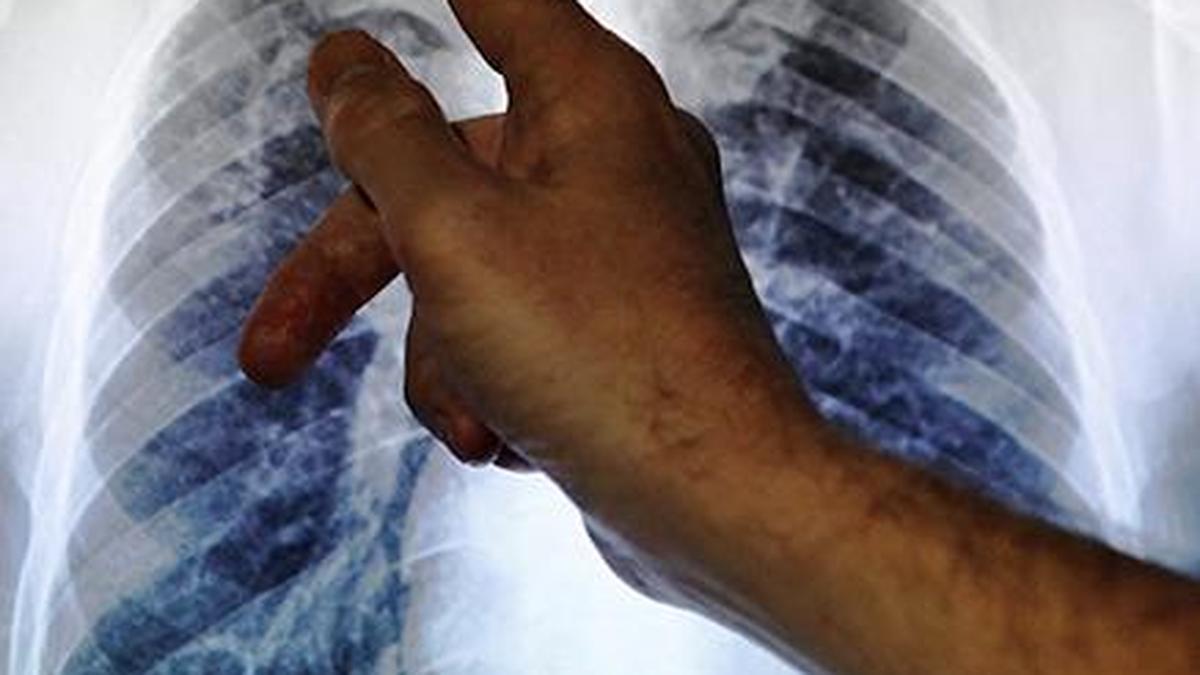
A study by the ICMR–National Institute for Research in Tuberculosis has found that six-month all-oral regimens for multidrug-resistant and rifampicin-resistant TB (MDR/RR-TB) are cost-effective and deliver better health outcomes than longer treatments used in India
| Photo Credit: File
Shorter all-oral regimens for drug-resistant TB are cost-effective in India, a recent study released by the Indian Council of Medical Research has noted. The economic evaluation published in the Indian Journal of Medical Research demonstrated that shorter, six-month all-oral treatment regimens for multidrug-resistant and rifampicin-resistant tuberculosis (MDR/RR-TB) are cost-effective and offer improved health outcomes compared to the longer regimens currently used in India.
The study was conducted by the ICMR-National Institute for Research in Tuberculosis (ICMR-NIRT) and assessed the cost-effectiveness of bedaquiline-based regimens, BPaL (bedaquiline, pretomanid, and linezolid) and BPaLM (with moxifloxacin), in comparison with the existing bedaquiline-containing shorter (9-11 months) and longer (18-20 months) treatment regimens used under the National TB Elimination Programme (NTEP).
The analysis revealed that the BPaL regimen is both more effective and cost-saving. For each additional Quality Adjusted Life Year (QALY) gained, the health system spends ₹379 less per patient compared to the standard regimen, indicating better health outcomes at lower costs.
The BPaLM regimen was also found to be highly cost-effective, with an additional expenditure of only ₹37 per patient per additional QALY gained compared to the standard regimen. Both regimens were associated with lower or comparable overall healthcare costs, including medicines, hospital visits, and follow-up care. “MDR/RR-TB poses significant treatment challenges due to prolonged treatment duration, adverse effects, and higher costs. Shorter all-oral regimens can improve treatment adherence, reduce patient morbidity, and enable faster return to normal life, while also lowering the burden on the health system,’’ said the study.
It concludes that the study findings provide important economic evidence to support the use of shorter, all-oral regimens for MDR/RR-TB management in India. By reducing treatment duration from 9-18 months or longer to six months, these regimens align with national priorities to optimise resource utilisation and accelerate progress towards TB elimination.
The study also adds that BPaL-based regimens are likely to be cost-saving or highly cost-effective and may be considered for programmatic adoption under the NTEP to strengthen India’s response to drug-resistant TB.
Published – February 12, 2026 05:33 pm IST



