

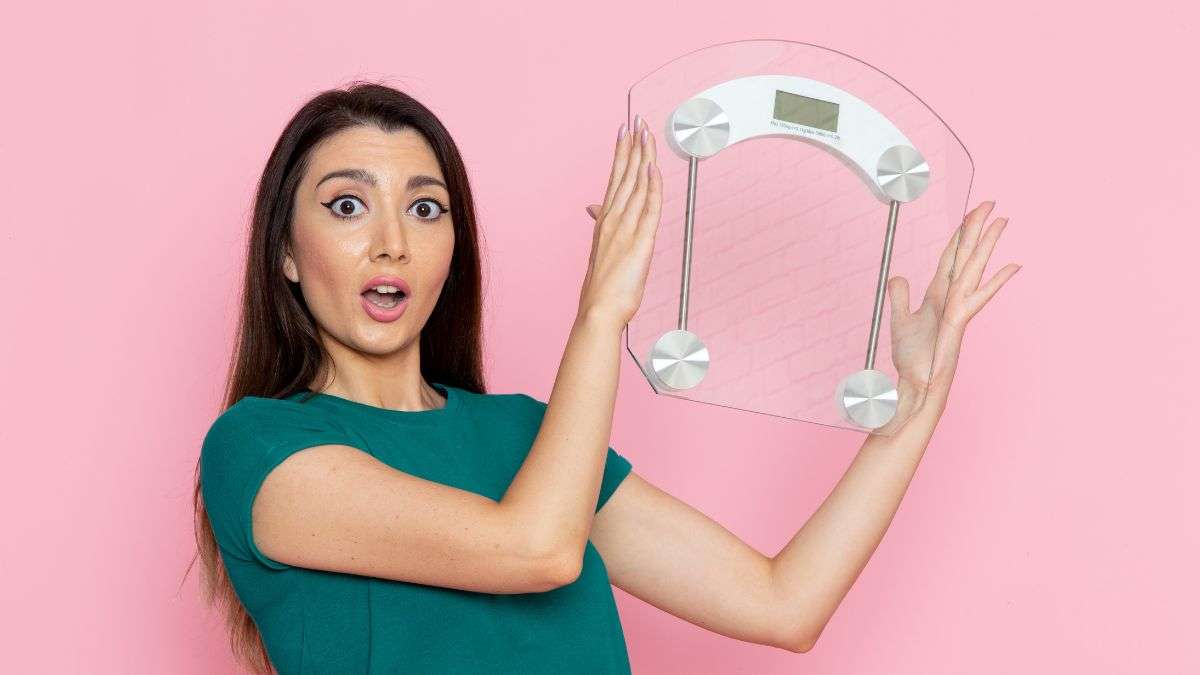

- Healthy weight is more than a number on the scale. From BMI limits to body composition, age and height play a key role in what healthy weight really looks like at different life stages.
- Why BMI is useful, but limited
- How body composition changes with age
- Why waist size and lifestyle matter more than weight
- Healthy weight in children and teenagers follows a different rulebook
- What healthy weight actually means
- Why eating protein before drinking alcohol helps
- How protein slows alcohol absorption
- The added benefits of protein before alcohol
Healthy weight is more than a number on the scale. From BMI limits to body composition, age and height play a key role in what healthy weight really looks like at different life stages.
When people talk about a healthy weight, they often focus only on the number on their weighing scale. But health is not a single number. A healthy weight depends on height, age, body structure, muscle mass and overall metabolic health, not just kilograms or pounds.
“Weight is just one metric, not the full story,” says Dt. Anushi Jain, nutritionist and founder of Nutri Maven. “Two people can weigh the same and have completely different levels of fitness, strength and metabolic health.”
Why BMI is useful, but limited
Medical practitioners commonly use Body Mass Index (BMI), which compares weight to height, as a screening tool. For most adults, a BMI between 18.5 and 24.9 is considered healthy, according to WHO and CDC standards. A BMI below 18.5 may indicate underweight, while values above 25 suggest overweight, with 30 or above classified as obesity.
“BMI helps flag potential risks, but it cannot tell you how much of that weight is muscle, fat or bone,” explains Jain. “This is why people with higher muscle mass may fall into the overweight category despite being metabolically healthy.”
How body composition changes with age
As we age, body composition naturally shifts. Muscle mass gradually declines, while fat percentage tends to increase, even if body weight remains unchanged.
“In your 30s and 40s, the body becomes less forgiving,” says Jain. “Loss of muscle and increased abdominal fat can happen quietly, which is why strength, waist circumference and energy levels matter more than the scale.” For adults over 50, maintaining muscle, balance and bone strength becomes more important than chasing a younger weight target.
Why waist size and lifestyle matter more than weight
Research shows that two individuals of the same height and weight can look and function very differently based on muscle-to-fat ratio and bone density. This is why doctors also assess waist circumference, body fat percentage, digestion, sleep quality and physical activity.
“A growing waistline is often a stronger indicator of metabolic risk than overall weight,” Jain notes. “Healthy weight is about how efficiently your body is working, not how light it is.”
Healthy weight in children and teenagers follows a different rulebook
For children and adolescents, healthy weight is measured using age- and sex-specific growth charts rather than adult BMI standards, as their bodies are still developing. “An adult’s ideal weight should never be applied to a child,” says Jain. “What matters is steady growth, proper nourishment and physical activity, not fitting into an adult-defined range.”
What healthy weight actually means
A healthy weight is not about being thin. It is about being nourished, active, strong and metabolically stable for your age and height.
“If your energy levels are good, digestion is comfortable, sleep is restful, and movement feels strong, your weight is likely supporting your health,” Jain says.
Why eating protein before drinking alcohol helps
Drinking alcohol on an empty stomach allows it to enter the bloodstream rapidly, leading to quicker intoxication, acidity, dehydration and sudden energy crashes. Studies show that eating before drinking slows alcohol absorption.
How protein slows alcohol absorption
“Protein-rich foods slow gastric emptying,” explains Dt. Anushi Jain. “This delays the movement of alcohol from the stomach to the intestine, where most absorption occurs.”
Foods such as paneer, eggs, chicken, fish, curd, dal, tofu and nuts take longer to digest, helping alcohol enter the bloodstream more gradually rather than all at once.
The added benefits of protein before alcohol
Protein increases satiety, reducing the chances of overeating or excessive drinking. It also helps stabilise blood sugar levels, which can prevent sudden fatigue and mood dips after alcohol consumption. “That’s why we recommend a small balanced meal with protein and some carbohydrates before drinking,” Jain says. “The idea is not to promote alcohol, but to reduce its impact on the body.”
In simple terms: food before alcohol means slower absorption, better control and less strain on your system.



