
Union Budget 2026: The Budget Session of Parliament will begin on January 28, and the Union Budget will be presented on February 1. This would be the second time the Union Budget will be presented on a Sunday.
Ahead of the Union Budget 2026, the automobile industry has urged the government to introduce targeted incentives for entry-level electric vehicles (EVs) and rationalise customs duties on imported cars to boost demand and accelerate the transition to cleaner mobility.
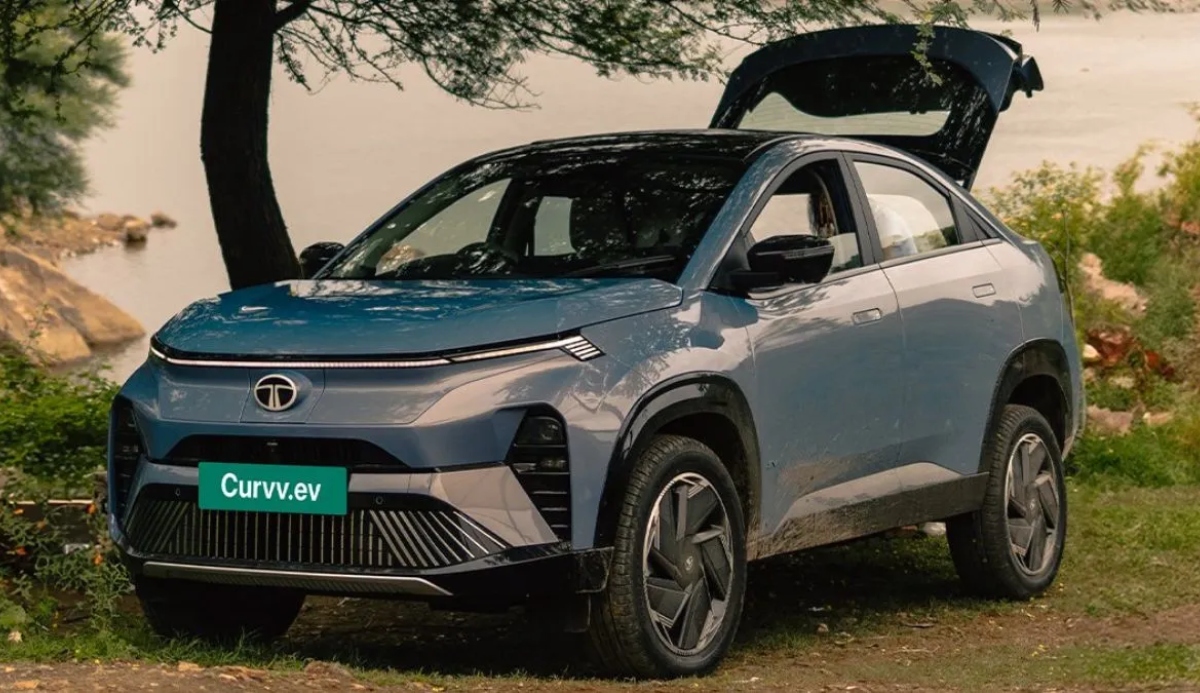
Tata Motors seeks incentives for entry-level EVs
Tata Motors has demanded special incentives for entry-level electric vehicles (EVs) and support for commercial electric cars under the ‘PM E-Drive’ scheme in the budget to be presented for the financial year 2026-27.
Shailesh Chandra, Managing Director and CEO of Tata Motors Passenger Vehicles, told news agency PTI that government interventions such as GST reforms, repo rate cuts, and changes in the tax system have revived demand in the passenger vehicle industry, but entry-level electric vehicles are still facing challenges on the sales front.
Shailesh Chandra said, “I appreciate the government’s efforts to revive the passenger vehicle and electric vehicle industry. Two things can be considered in the budget. First, there is considerable pressure on entry-level electric vehicles, and second, whether the government can consider providing some incentives for them.”
Chandra explained that GST reforms have led to a reduction in the prices of petrol cars, increasing competitive pressure on entry-level electric vehicles. He said that the government took significant steps last year, such as GST 2.0 and repo rate cuts, which boosted overall demand in the passenger vehicle industry.
He said that EVs used in the commercial sector constitute only 7 per cent of total passenger vehicle sales, but their contribution to total passenger kilometers is approximately 33-35 per cent. He said that commercial sector electric cars were part of the FAME-2 scheme, but they have been left out of the PM E-Drive scheme.
Chandra said that a commercial car travels 5 times more than a normal passenger car. Therefore, the support given to this sector has a broad positive impact on the environment and oil imports. The government can consider including it in the PM e-Drive program.
Mercedes demands reduction in customs duty
Santosh Iyer, Managing Director and CEO of Mercedes-Benz India, said that rationalising the customs duty on imported luxury cars would boost demand in the premium segment, thereby increasing the government’s overall tax revenue. He added that a more stable macroeconomic policy and better fiscal management to curb the continued depreciation of the rupee would also help luxury car manufacturers. He said that these companies have been forced to increase prices due to rising costs, which has impacted demand.
Iyer said that the rationalisation of rates under the GST reforms last year was a very positive step, and the same should now be done for customs duty. Currently, imported passenger cars priced below USD 40,000 attract a basic customs duty of 70 percent, and those priced above USD 40,000 attract a customs duty of 110 per cent. “This customs duty can be rationalized and brought under a single slab,” he added.
Also Read: Union Budget 2026: Steel industry seeks support for scrap usage, faster green steel transition