



Certain houseplants don’t just make your home look aesthetic; they actually scrub toxins out of the air. And the best part? They don’t need Wi-Fi, filters, or a plug point.
So, if you can’t escape the smog, you might as well grow your way out of it.
Five houseplants that act as natural air purifiers
1. Snake Plant (Sansevieria trifasciata): The sleep-friendly warrior
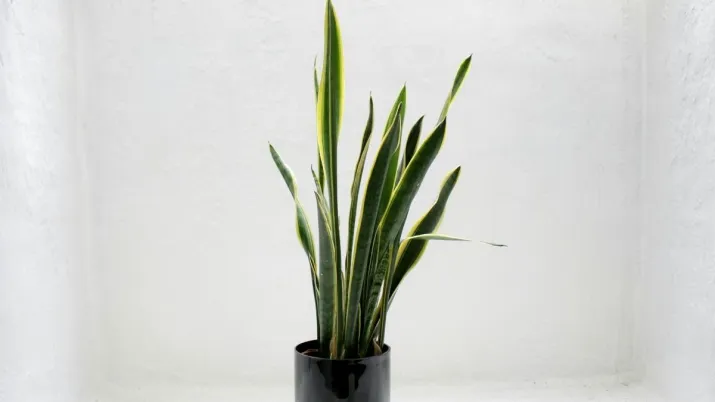
Also called Mother-in-Law’s tongue (because it survives everything), the snake plant is basically an air purifier with leaves. NASA’s Clean Air Study found it removes formaldehyde, benzene, and xylene, all common pollutants in urban homes.
Unlike most plants, it releases oxygen at night, making it a perfect bedside companion for Delhi’s ashy mornings. It thrives on neglect, sunlight, or even that gloomy corner near your router.
2. Areca Palm (Dypsis lutescens): The lung of your living room
The Areca palm is lush, tropical, and silently hardworking. It filters out carbon monoxide, formaldehyde, and toluene, all the things Delhi’s air has in unhealthy abundance.
A study by the Indian Institute of Toxicology Research found that Areca palms are particularly effective in improving indoor air quality in high-pollution regions. Just mist the leaves occasionally, and you’ve got yourself a green humidifier.
3. Money Plant (Epipremnum aureum): The pollution sponge
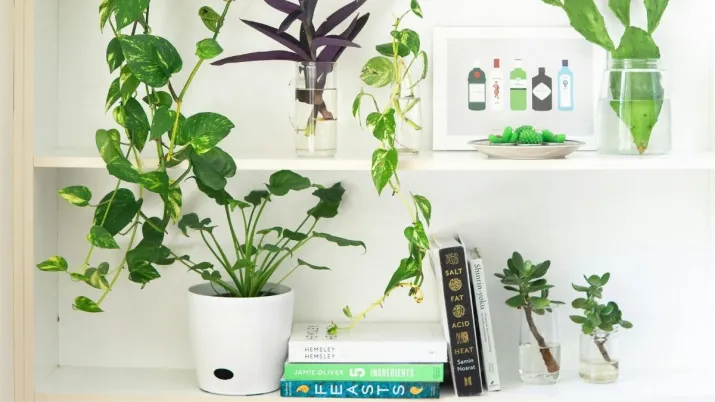
Delhiites already love money plants for their “good luck” rep, but scientifically, they’re luckier for your lungs. According to a 2020 Environmental Research Letters study, money plants absorb volatile organic compounds (VOCs) from indoor air, especially near electronics or fresh paint.
Pro tip: Keep one near your window to act as a natural barrier against pollutants sneaking in.
4. Peace Lily (Spathiphyllum): The elegant toxin-buster
Don’t be fooled by its delicate white blooms, the peace lily is a pollution assassin. It clears benzene, trichloroethylene, and carbon monoxide from the air, all while looking like it belongs in a design magazine.
Researchers at the University of Georgia found peace lilies can reduce indoor mould spores by up to 60%. Perfect for homes battling Delhi’s post-smog humidity.
5. Aloe Vera: The ancient detoxer
Long before it became a skincare staple, aloe vera was the original clean-air hero. Studies show it removes formaldehyde and benzene, the byproducts of cooking gas and household cleaners. Plus, it’s the easiest plant to grow: sunlight, a little water, and a lot of love (or not, it’ll still thrive).
Bonus: Cut a leaf, slap the gel on your skin, and you’ve got yourself Delhi’s cheapest face mask.
Sure, air purifiers are great, until they start flashing that red light and demanding a new filter. These plants, on the other hand, give you cleaner air, natural humidity, and something beautiful to look at when the AQI hits “severe.”
So go on, build your own green squad. Because in Delhi, the best revenge against pollution might just be photosynthesis.



