

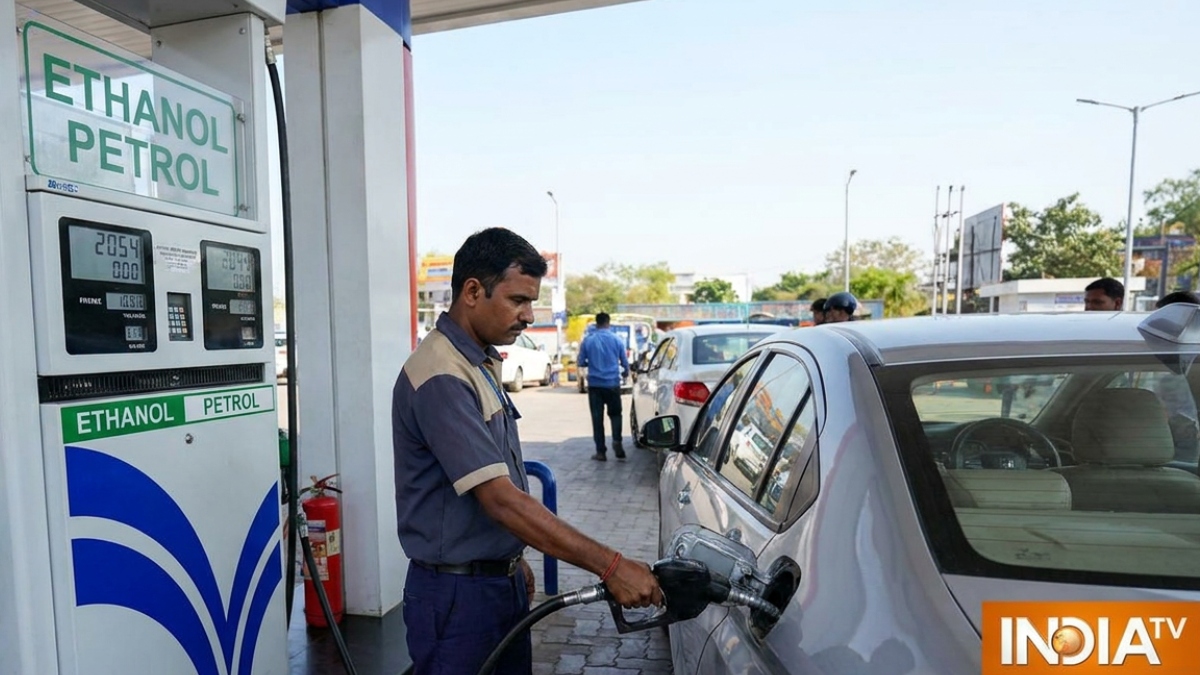

The central government has once again addressed public concerns about ethanol-blended petrol. One of the prominent questions that is there in the mind of the people is that why petrol is not cheaper even after ethanol is added. Explaining the reason, The Ministry of Petroleum and Natural Gas said that E20 petrol isn’t cheaper than pure petrol because ethanol procurement costs remain higher at current crude oil prices. Ethanol is made from sugarcane, maize, or grain. It is renewable, domestically produced and has cleaner burning than pure petrol. The government said that ethanol is deliberately purchased at high, fixed rates, up to 71.86 rupees per litre, to support Indian farmers.
Indian farmers are fairly compensated
“Today, the Government purchases ethanol at remunerative prices so that Indian farmers are fairly compensated. Take maize-based ethanol. We have progressively increased its procurement price and today it is around Rs 71.86 per litre, even before GST, transportation, storage and depot handling costs,” the ministry said.
“With global crude oil trading around 70 dollars a barrel, blending actually makes E20 more expensive to produce than conventional petrol, meaning the price would only drop if crude skyrocketed past 120 dollars. Instead of cheaper pump prices, the government explained that E20 is designed to prevent sudden fuel price hikes, shield consumers from global supply shocks, and save massive foreign exchange,” the ministry said.
Why is the government pushing for Ethanol blending?
Ethanol blending is therefore not about making petrol cheaper on a particular day. It is about reducing India’s exposure to imported crude oil. As a result, India recorded the lowest fuel price hike among major economies and its neighbouring countries over the past four years.
E20 damage vehicles?
The government has already stated that reports stating that E20 petrol is damaging vehicles are completely false and baseless, as it is a safe, cleaner, proven and scientifically validated fuel that Indian consumers can use with confidence.
“Its quality, safety and compatibility have been validated and assured by all responsible stakeholders, including automobile manufacturers, testing and homologation agencies, Oil Marketing Companies, and regulatory authorities. Consumers are therefore advised not to be misled by misinformation, scaremongering or unverified content circulating on social media,” the government said.
ALSO READ | Assam government proposes to reduce VAT on piped natural gas in Budget 2026



