
By using this site, you agree to the Privacy Policy and Terms of Use.
Accept
India Times NowIndia Times NowIndia Times Now
Notification Show More
Font ResizerAa
  • India News
    India News
    Politics is the art of looking for trouble, finding it everywhere, diagnosing it incorrectly and applying the wrong remedies.
    Show More
    Top News
    The States Braces for Protests Over New COVID Rules
    August 29, 2021
    Proposal submitted for setting up 101 new polling stations in Karnataka’s Mandya
    October 12, 2025
    Watch: Government introduces bill in Lok Sabha to hike FDI in insurance sector to 100 per cent
    December 16, 2025
    Latest News
    CM Mamata announces development boards for marginalised communities ahead of Bengal Assembly polls
    March 14, 2026
    Congregational prayers, rallies held in Kashmir on Ramzan’s last Friday; Jamia Masjid closed
    March 13, 2026
    Seven dead, 92 inmates infected with herpes virus at overcrowded Jalpaiguri correctional home
    March 13, 2026
    Exercise LAMITIYE-2026: India and Seychelles carry out joint military exercise
    March 13, 2026
  • Technology
    TechnologyShow More
    Strengthening the Team: Thryve PR Onboards Pranjal Patil as PR Executive & Project Manager
    October 1, 2025
    How to Take the Perfect Instagram Selfie: Dos & Don’ts
    October 1, 2021
    Apple iMac M1 Review: the All-In-One for Almost Everyone
    Hands-On With the iPhone 13, Pro, Max, and Mini
    September 4, 2021
    Apple VS Samsung– Can a Good Smartwatch Save Your Life?
    August 30, 2021
  • Posts
    • Post Layouts
      • Standard 1
      • Standard 2
      • Standard 3
      • Standard 4
      • Standard 5
      • Standard 6
      • Standard 7
      • Standard 8
      • No Featured
    • Gallery Layouts
      • Layout 1
      • Layout 2
      • layout 3
    • Video Layouts
      • Layout 1
      • Layout 2
      • Layout 3
      • Layout 4
    • Audio Layouts
      • Layout 1
      • Layout 2
      • Layout 3
      • Layout 4
    • Post Sidebar
      • Right Sidebar
      • Left Sidebar
      • No Sidebar
    • Review
      • Stars
      • Scores
      • User Rating
    • Content Features
      • Inline Mailchimp
      • Highlight Shares
      • Print Post
      • Inline Related
      • Source/Via Tag
      • Reading Indicator
      • Content Size Resizer
    • Break Page Selection
    • Table of Contents
      • Full Width
      • Left Side
    • Reaction Post
  • Pages
    • Blog Index
    • Contact US
    • Search Page
    • 404 Page
    • Customize Interests
    • My Bookmarks
  • Join Us
Reading: Kevin Warsh faces economic ‘perfect storm’ as he waits to take over as Fed chair
Share
Font ResizerAa
India Times NowIndia Times Now
  • Finance ₹
  • India News
  • The Escapist
  • Entertainment
  • Science
  • Technology
  • Insider
Search
  • Home
    • India Times Now
    • Home 2
    • Home 3
    • Home 4
    • Home 5
  • Categories
    • Technology
    • Entertainment
    • The Escapist
    • Insider
    • Finance ₹
    • India News
    • Science
    • Health
  • Bookmarks
    • Customize Interests
    • My Bookmarks
  • More Foxiz
    • Blog Index
    • Sitemap
Have an existing account? Sign In
Follow US
Home » Blog » Kevin Warsh faces economic ‘perfect storm’ as he waits to take over as Fed chair
CryptocurrencyFinance ₹Investment

Kevin Warsh faces economic ‘perfect storm’ as he waits to take over as Fed chair

Times Desk
Last updated: March 10, 2026 6:27 pm
Times Desk
Published: March 10, 2026
Share
SHARE


Contents
  • Tough choices
  • Rate cuts still possible

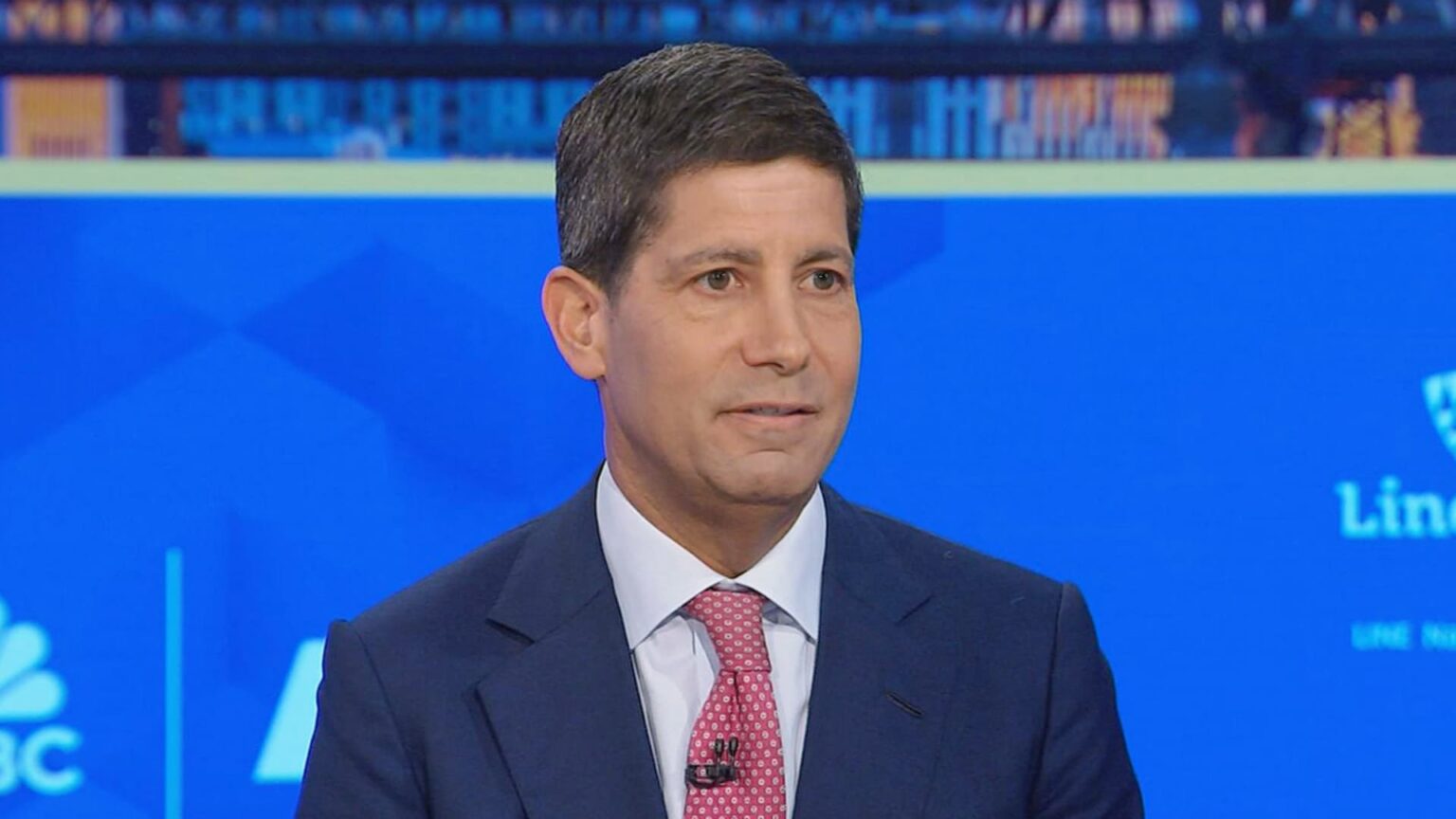
Kevin Warsh, former governor of the US Federal Reserve, speaks with CNBC on July 17, 2025.

CNBC

Kevin Warsh could face a buzzsaw when he takes over as Federal Reserve chair — a Hobson’s choice between fighting inflation and protecting the labor market.

The Fed is duty-bound to support both sides of its sometimes conflicting dual mandate: stable prices and full employment.

There essentially are three ways to do that: raise interest rates to fight inflation by dampening demand, lower rates to support economic growth and hiring, or — most preferably — keep rates where they are to maintain a balance between the two.

Brewing economic conditions suggest, however, that when Warsh takes office, presumably in May, central bank policymakers could be facing both a wobbly jobs picture and sticky inflation made worse by spiraling energy prices.

“He’s got a perfect storm awaiting him here,” said Troy Ludtka, senior U.S. economist at SMBC Nikko Securities. “We’ve got some significant stagflationary pressures, particularly from the manufacturing and goods sectors of the economy. This is coming at a time when it seems like we’re really beginning to see the consumer — I don’t want to say break — but maybe begin to break.”

Stagflation, or high inflation and low growth, is a Fed official’s worst nightmare. It can mean having to prioritize one side of the mandate over the other, and in turn risk losing both.

In the current environment, the Iraq war has pushed up energy prices sharply, with U.S. crude oil briefly soaring over $100 a barrel on Monday before slipping backwards after President Donald Trump provided assurance that the conflict will be over soon.

For Warsh, though, the stakes are particularly high.

Tough choices

Trump has made no secret that he expects Warsh to push for substantially lower interest rates. The president and other administration officials have been contending — at least before the war began — that inflation is no longer a significant threat to the economy and that the Fed should continue the rate cuts it began last September.

Pleasing the president might not be so easy.

Even before the energy surge, manufacturing costs had been rising. An Institute for Supply Management price gauge hit a nearly four-year high in February, with purchasing managers at U.S. factories reporting continued cost increases, fed in part by Trump’s tariffs.

Trump picks Kevin Warsh for Federal Reserve chair to succeed Jerome Powell

Ludtka warned that if energy prices remain elevated, headline inflation could climb over 3% even as consumer finances look pressured and the labor market is softening.

Economists generally assign low pass-through effects from higher energy prices to the broader economy. However, since the fighting began, the price of urea fertilizer has soared 15%. Higher fertilizer costs often translate into rising food prices, raising the possibility of renewed inflation pressures ahead.

For his part, Warsh faces a Federal Open Market Committee already divided over the future path of policy. While central bankers usually look through oil shocks as drivers of longer-term economic trends, they may have little choice but to address longer-term disruptions.

Rate cuts still possible

“He’s running into an environment where the committee is extremely divided. That division is only going to increase from here,” Ludtka said. “If oil prices remain high, and inflation is likely to remain well-supported in the face of a weak labor market, it’s going to force them to move to one side or the other.”

Despite the threat of higher inflation, Ludtka added he believes “the path of least resistance for policymakers is lower rates.”

One thing the Fed — and Warsh as incoming chair — has in its favor is a consumer who continues to spend, though the strength is concentrated among higher-income households.

Consumer spending rose 3.2% in February from a year earlier, the biggest increase in more than three years, according to Bank of America data. The firm noted, however, that after-tax wage growth for top earners rose 4.2% annually compared with just 0.6% for lower earners — the widest gap in the data series going back to 2015.

Monetary policy has proven to be an ineffective weapon against inequality.

Still, Fed officials might be more tempted to look through a temporary oil spike if further signs emerge that consumers — particularly among these at the lower end of the income spectrum — are struggling with both higher prices and a weakening labor market.

Bank of America economists also believe the market may be misreading the current situation by anticipating that the Fed automatically will prioritize inflation. Traders have pulled back expectations in recent days for rate cuts, expecting the first move not to come until September and taking a second one off the table until 2027.

“The market response to the oil price spike has been mostly hawkish,” BofA economist Aditya Bhave said in a note. A hawkish Fed is more apt to focus on inflation and keep rates higher. “This could be a mistake.”


Choose CNBC as your preferred source on Google and never miss a moment from the most trusted name in business news.


Source link

Bitcoin stocks, Elastic, Gap and more
Sales of heavy trucks are falling like the U.S. is headed for a recession
Abu Dhabi launches AI reasoning model to rival OpenAI, DeepSeek
SNAP, ARM, FIG, LYFT and more
Meta, TikTok win challenge against EU tech fees
TAGGED:Breaking News: Economybusiness newsDonald J. TrumpDonald TrumpEconomyInterest RatesJerome PowellKevin WarshPrices
Share This Article
Facebook Email Print
Leave a Comment

Leave a Reply Cancel reply

Your email address will not be published. Required fields are marked *

Follow US

Find US on Social Medias
FacebookLike
XFollow
YoutubeSubscribe
TelegramFollow

Weekly Newsletter

Subscribe to our newsletter to get our newest articles instantly!
[mc4wp_form]
Popular News

BJP Legislator says ‘residents of Kashmir occupying land illegally in Jammu’, evokes sharp reactions

Times Desk
Times Desk
February 14, 2026
Ricin terror plot: Digital literature, CCTV footage, black flag among material found by ATS
Kerala leads in school standards, says General Education Minister V. Sivankutty
Hyderabad International Short Film Festival from December 19 to 21
Vrukshathon 2025 on December 7
- Advertisement -
Ad imageAd image
Global Coronavirus Cases

Confirmed

0

Death

0

More Information:Covid-19 Statistics
© INDIA TIMES NOW 2026 . All Rights Reserved.
Welcome Back!

Sign in to your account

Username or Email Address
Password

Lost your password?
