

By using this site, you agree to the Privacy Policy and Terms of Use.
Accept
India Times NowIndia Times NowIndia Times Now
Notification Show More
Font ResizerAa
  • Bharat Shreshtha Ratna Sanman
  • India News
  • Categories
    • Technology
    • Entertainment
    • The Escapist
    • Insider
    • Finance ₹
    • India News
    • Science
    • Health
Reading: Is drying clothes indoors bad for your health? What WHO guidelines say
Share
India Times NowIndia Times Now
Font ResizerAa
  • Bharat Shreshtha Ratna Sanman
  • India News
  • Categories
Search
  • Bharat Shreshtha Ratna Sanman
  • India News
  • Categories
    • Technology
    • Entertainment
    • The Escapist
    • Insider
    • Finance ₹
    • India News
    • Science
    • Health
Have an existing account? Sign In
Follow US

Home » Is drying clothes indoors bad for your health? What WHO guidelines say

FashionLifestyleTravelVacation

Is drying clothes indoors bad for your health? What WHO guidelines say

Times Desk
Last updated: January 13, 2026 7:49 am
Times Desk
Published: January 13, 2026
Share
SHARE


Contents
  • Is drying clothes indoors bad for your health? WHO guidelines warn about mould, dampness and poor indoor air quality. Know the risks and safe alternatives.
  • What the WHO guidelines reveal
  • Increased prevalence of respiratory symptoms
    • How Mould Affects Health
  • Practical tips to minimise health risks

Is drying clothes indoors bad for your health? WHO guidelines warn about mould, dampness and poor indoor air quality. Know the risks and safe alternatives.

New Delhi:

When people dry their clothes inside, especially in the winter and when the weather is bad outside, they think it’s no big deal. But according to expert opinions from health professionals and the WHO, drying clothes inside is not without its problems. Indoor Air Quality and respiratory health are at risk when you’ve been exposed to high levels of moisture inside.

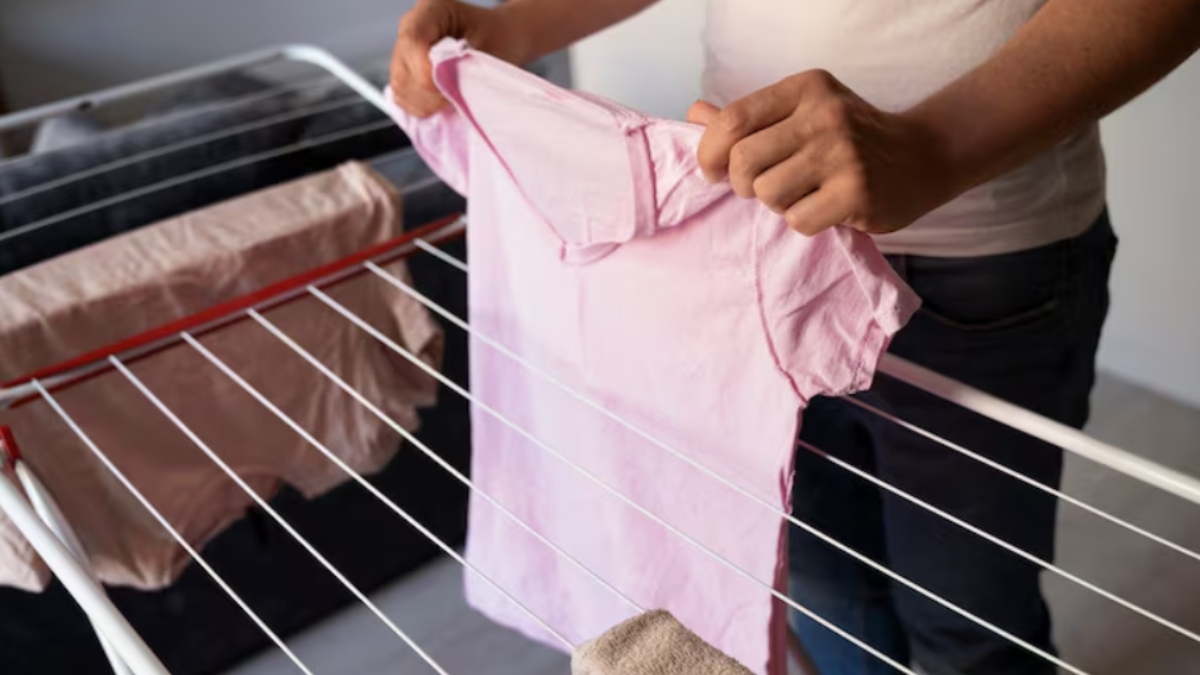
In situations where someone does not have access to an outdoor drying space or the weather is not allowing them to do so, they may resort to hanging clothing on racks. The moisture evaporates from the wet textile and causes significant amounts of water vapour to accumulate in that room due to the lack of airflow. A typical load of laundry has been calculated to create two litres of water vapour that becomes dispersed throughout the same room where it was originally located.

This added moisture raises indoor humidity levels, creating an environment that encourages the growth of mould and dampness. Mould spores flourish in humid conditions and can settle on walls, windows, ceilings, or even on fabrics themselves.

What the WHO guidelines reveal

The World Health Organization (WHO) has published the guidelines for Indoor Air Quality: Dampness and Mould. These guidelines are the result of years of research conducted internationally and describe how damp or mouldy conditions in your home are associated with:

Increased prevalence of respiratory symptoms

  • Aggravation of asthma and allergies
  • Potential disruptions in immune responses

How Mould Affects Health

Mould isn’t just unsightly and smelly; it can be harmful. Common indoor mould species such as Aspergillus, Cladosporium, and Stachybotrys are known to release spores into the air. When inhaled, these spores can:

  • Irritate the respiratory tract
  • Trigger allergic reactions
  • Worsen symptoms in people with asthma, bronchitis, or other lung conditions

Children, elderly people, and those with weakened immune systems are particularly vulnerable.

Practical tips to minimise health risks

Select a room that is adequately ventilated. Using open windows or fan exhaust systems will assist in creating airflow for the moisture produced by the drying clothes.

If feasible, air-dry items outside in the sun or utilise a vented tumble dryer designed specifically to exhaust moist air outside.

Utilising a dehumidifier within the drying area will drastically reduce the humidity content of the room and decrease the likelihood of developing mould due to elevated moisture levels.

Do not dry laundry in a room occupied by someone who sleeps there for an extended period, as this will result in increased exposure to airborne spores and moist air being present within the room.

ALSO READ: 5 easy DIY ways to remove tough stains from clothes


Source link

How this Nigerian woman went from aspiring developer to meeting Mark Zuckerberg
Working dad guilt is real: A psychologist explains how to deal with it
Hunger pangs while dieting? Nutritionist shares foods you can ‘literally overeat’ without gaining weight
Mother’s Day special: 10-minute yoga routines busy mums can actually stick to
Malaika Arora shares 7 Chinese movements that can make you feel ‘10 years younger and 5 kilos lighter’
TAGGED:badclothesdryingdrying clothes indoorsguidelinesHealthindoor air pollution homeindoor humidity health effectsindoor laundry health risksindoorsis drying clothes indoors badmould and respiratory problemsmould from drying clothesWHO guidelines indoor air quality
Share This Article
Facebook Email Print
Leave a Comment

Leave a Reply Cancel reply

Your email address will not be published. Required fields are marked *

Follow US

Find US on Social Medias
FacebookLike
XFollow
YoutubeSubscribe
TelegramFollow

Weekly Newsletter

Subscribe to our newsletter to get our newest articles instantly!
[mc4wp_form]
Popular News
Blog

Fire tenders rushed after bomb threat to Delhi’s Maulana Azad Medical College

krutikadalvibiz
krutikadalvibiz
September 9, 2025
BCCL IPO GMP vs Amagi Media Labs IPO GMP: Check subscription status, latest grey market premium and other details
Kurnool Municipal Corporation counters to remain open on holidays also for payment of taxes
Lok Sabha adjourned for the day over Opposition protest on Hardeep Singh Puri
Telangana government urged to set up a guest house in Tirumala
- Advertisement -
Ad imageAd image
Global Coronavirus Cases

Confirmed

0

Death

0

More Information:Covid-19 Statistics
© INDIA TIMES NOW 2026 . All Rights Reserved.
Welcome Back!

Sign in to your account

Username or Email Address
Password

Lost your password?

