

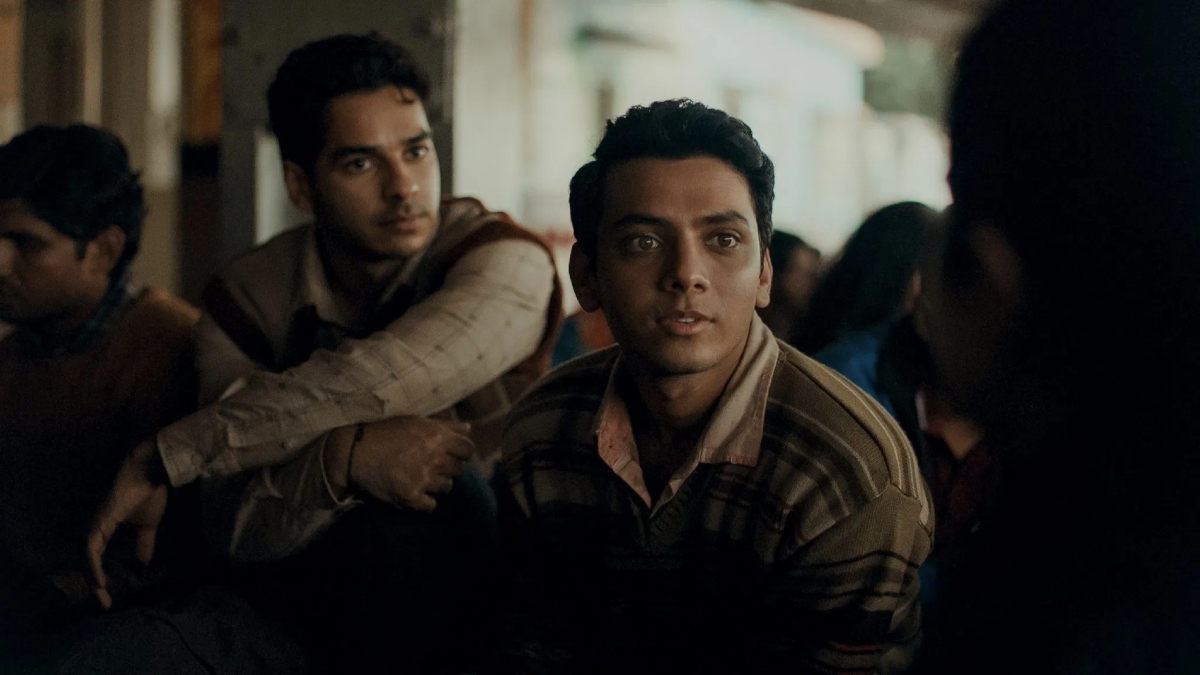

2025, a year that let Bollywood gems like Homebound, Jugnuma, Dhadak 2, Sitaare Zameen Par, Ghich Pich, Phule and Superboys of Malegaon go largely unrecognised, may be ending soon, but the impact on those who truly notice is undeniable.
At a time when glossy escapism dominates the box office, a sobering reminder like Homebound risks being ignored. The film with realities many prefer to look away from is directed by Neeraj Ghaywan and inspired by Basharat Peer’s essay ‘A Friendship, a Pandemic & a Death Beside the Highway’. It tells the story of two friends, Chandan (a Dalit) and Shoaib (a Muslim), who dream of respect, dignity and stability but are only challenged by caste hierarchies, religious prejudice and bureaucratic apathy.
The film’s strength is in its authenticity. Ghaywan doesn’t reduce the protagonists to symbols; he treats them as full human beings, flawed, hopeful, scared and determined. Their struggles to pass the national police exam, to build a roof for home, to simply breathe with dignity somehow become yours. The film also highlights invisible difficulties, that are often so because society prefers them too, in a subtle but impactful way for the message to be clear but not necessarily loud.
But what the film really does is make you grateful and tearful at the same time. One would shed tears for anyone and everyone who saw the wrath of times during the 2020 migrant crisis and be grateful for having food on the table and a roof over their heads. Homebound is also significant for Indian cinema, as it shows a true side, a real world, and magnifies the cracks in society without ever becoming preachy.
Yet for all its power, message and lessons, Homebound, India’s official entry for the Oscars 2025, yearns for theatrical audiences while being ignored in cinemas, partly because of India’s appetite for entertainment over introspection. Films that confront caste, class, loss, or religion in anything but the mildest terms often struggle to reach wide audiences. The promotional machinery (even from big production houses) tends to favour spectacle over subtlety. Critics praise Homebound, and festivals honour it, but it risks being pigeonholed as ‘art-house’ rather than embraced as essential viewing.
Another reason, according to me, is discomfort. Homebound forces viewers to confront injustices many live with daily, things that are often swept under the rug. It reminds us that progress isn’t just about big speeches or grand gestures but about small recognitions of pain, of inequality, of friendships torn by circumstances beyond one’s control. Films like these don’t allow us to remain passive.
Finally, the timing matters. As India enters its post-pandemic phase, there is a danger of collective amnesia about what so many endured: the migrant exodus, the economic precarity and the lived racial, religious and caste divides. Homebound offers not just a mirror but also a warning: ignore these truths at your peril. A society that forgets its wounds cannot heal them.
Disclaimer: These are the personal opinions or views of the author.



