

By using this site, you agree to the Privacy Policy and Terms of Use.
Accept
India Times NowIndia Times NowIndia Times Now
Notification Show More
Font ResizerAa
  • Bharat Shreshtha Ratna Sanman
  • India News
  • Categories
    • Technology
    • Entertainment
    • The Escapist
    • Insider
    • Finance ₹
    • India News
    • Science
    • Health
Reading: Former CJI Gavai tells JPC that simultaneous polls do not violate basic structure of the Constitution
Share
India Times NowIndia Times Now
Font ResizerAa
  • Bharat Shreshtha Ratna Sanman
  • India News
  • Categories
Search
  • Bharat Shreshtha Ratna Sanman
  • India News
  • Categories
    • Technology
    • Entertainment
    • The Escapist
    • Insider
    • Finance ₹
    • India News
    • Science
    • Health
Have an existing account? Sign In
Follow US

Home » Former CJI Gavai tells JPC that simultaneous polls do not violate basic structure of the Constitution

India News

Former CJI Gavai tells JPC that simultaneous polls do not violate basic structure of the Constitution

Times Desk
Last updated: February 12, 2026 4:08 pm
Times Desk
Published: February 12, 2026
Share
SHARE


Contents
  • Divided opinions
  • Common electoral roll
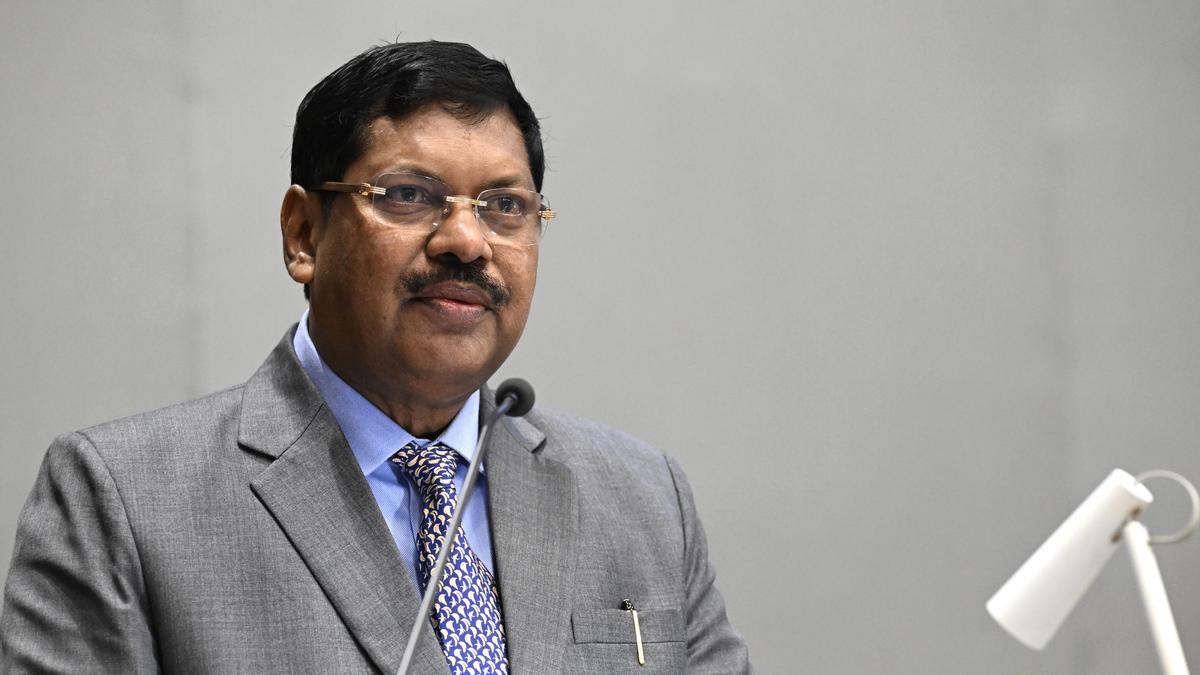
Former Chief Justice of India B.R. Gavai. File

Former Chief Justice of India B.R. Gavai. File
| Photo Credit: The Hindu

Simultaneous elections do not violate the basic structure of the Constitution or its federal framework, former Chief Justice of India B.R. Gavai told Parliament’s Joint Committee reviewing the Constitution (One Hundred and Twenty-Ninth Amendment) Bill, 2024, which aims to synchronise elections for the Lok Sabha and State Assemblies.

At the panel’s meeting on Thursday (February 12, 2026), Justice Gavai said the legislation brings “only a change in the manner of elections once”, which does not breach the doctrine. The structure of elections and voter rights remain the same, he noted, and therefore the amendment would be constitutional. He further explained that it is well within Parliamentary competence to bring in such a law.

Since instruments such as the “no-confidence motion” remain intact, Justice Gavai said, there is no impact on the accountability of the Union or State governments.

Divided opinions

So far, six former CJIs have spoken to the panel. Two of them — Justices U.U. Lalit and Sanjiv Khanna — raised questions about the Bill in relation to the basic structure of the Indian Constitution as protected by the Kesavananda Bharati judgment.

However, four of the other former CJIs — Justices Ranjan Gogoi, D.Y. Chandrachud, J.S. Khehar, and now, Justice Gavai — told the panel that the Bill does not violate the basic structure of the Constitution.

All the former CJIs, however, have previously questioned the unrestricted power granted to the Election Commission in deciding the schedule of elections, especially for State Assemblies.

Common electoral roll

The Parliamentary Joint Committee, headed by BJP MP P.P. Chaudhary, is reviewing the Constitution (One Hundred and Twenty-Ninth Amendment) Bill, 2024, introduced in the Lok Sabha on December 17, 2024. The Bill seeks to empower the Election Commission to conduct simultaneous elections for the Lok Sabha and all State Assemblies.

The panel’s deliberations are far from over, but giving an indication of his view, Chairman Chaudhary said the Bill should be implemented “at the earliest in national interest”. He argued that synchronised elections would save the country both time and money.

Mr. Chaudhary also told reporters that in Thursday’s (February 12, 2026) meeting, several members suggested creating a common electoral roll for panchayat/municipal, Assembly, and national elections. “Making separate electoral rolls for each of these elections is a tedious task that usually falls on government teachers and thereby indirectly impacts the students from poor families who attend these schools,” he said.

Published – February 12, 2026 07:27 pm IST


Source link

Eight years on, Hyderabad Metro Rail faces growing pains
Devotee from Magadi dies in Nanjangud
Temple priest kidnapped, assaulted over brother’s relationship; case registered
Most Centrally-aided projects in Belagavi completed, says Shettar
Kerala Assembly elections 2026: full schedule
TAGGED:joint parliamentary committee on simultaneous electionsjustice gavai on one nation one electionone nation one election billOne Nation-One Electionsimultaneous electionssimultaneous elections pros and cons
Share This Article
Facebook Email Print
Leave a Comment

Leave a Reply Cancel reply

Your email address will not be published. Required fields are marked *

Follow US

Find US on Social Medias
FacebookLike
XFollow
YoutubeSubscribe
TelegramFollow

Weekly Newsletter

Subscribe to our newsletter to get our newest articles instantly!
[mc4wp_form]
Popular News

If BNS distinguishes between throwing and administering acid, RPwD Act must too: SC

Times Desk
Times Desk
March 9, 2026
A.P. government urged to release White Paper on vacant posts
KTR levels serious allegations against CM Revanth Reddy on Meenakshi Natarajan issue
Mysuru commuters oppose use of ageing BMTC buses for city services
Here’s what changed in the March statement
- Advertisement -
Ad imageAd image
Global Coronavirus Cases

Confirmed

0

Death

0

More Information:Covid-19 Statistics
© INDIA TIMES NOW 2026 . All Rights Reserved.
Welcome Back!

Sign in to your account

Username or Email Address
Password

Lost your password?

