

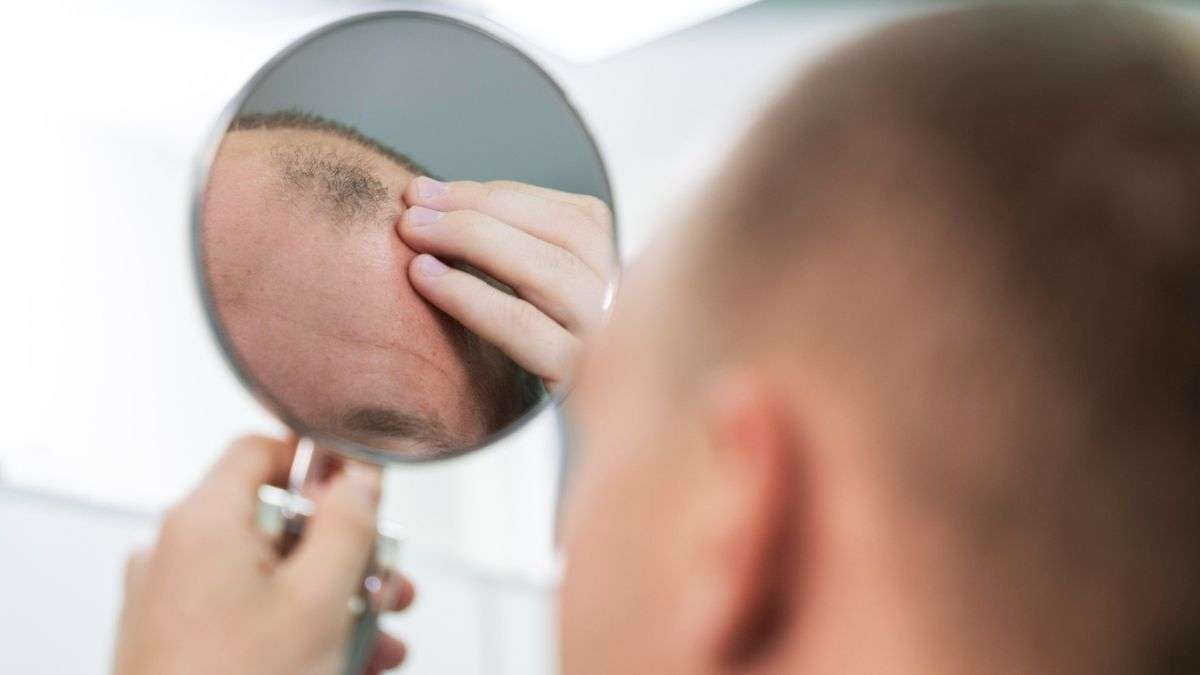

Hair loss treatments can get confusing. A lot of them come with big claims, quick fixes, before and after photos. But very few actually sit in the medical category with proper backing. Finasteride is one of those few.
It is not new either. The drug was approved by the US Food and Drug Administration back in 1997 and has since been used for two main conditions. Male pattern hair loss and benign prostatic hyperplasia, also called BPH. Different uses, same drug, just different doses.
What finasteride is actually used for
Finasteride is prescribed in two doses depending on the condition.
- 5 mg for BPH, where the prostate enlarges and causes urinary problems
- 1 mg for androgenetic alopecia, which is male pattern hair loss
When used for hair loss, it helps slow down thinning. In some cases, it can also support regrowth. But there is a catch. The effect lasts only as long as you keep taking it. Stop the medication, and hair loss usually returns.
How finasteride works in the body
To understand how it works, you need to look at one hormone. DHT, short for dihydrotestosterone.
DHT is formed from testosterone and plays a major role in shrinking hair follicles in men who are genetically prone to hair loss. Finasteride blocks an enzyme called 5 alpha reductase, which is responsible for converting testosterone into DHT.
Put simply:
- Less enzyme activity means lower DHT
- Lower DHT means less damage to hair follicles
Research suggests that finasteride can reduce DHT levels in the scalp and prostate by about 70 percent. That is why it is useful in both hair loss and prostate conditions.
Dosage, usage and availability
For hair loss, finasteride is usually taken as a 1 mg tablet once daily. It is a prescription medication.
It is not recommended for women, especially during pregnancy, due to potential risks to a developing foetus.
In India, it is commonly available in pharmacies under different brand names. Generic versions typically cost somewhere between Rs 37 and Rs 100 per strip.
Side effects and what to watch for
Most people tolerate finasteride without major issues. Still, side effects can occur in a small percentage of users, around 2 to 4 percent.
The most commonly reported ones are related to sexual health:
- Reduced libido
- Erectile dysfunction
- Changes in ejaculation
Some users may also experience mild skin reactions. In many cases, these effects improve after stopping the medication. However, a small number of users report longer lasting symptoms, which continues to be discussed in medical circles.
What research and studies show
Finasteride is one of the more studied treatments for hair loss.
Large clinical trials with over 1,500 men found that those taking 1 mg daily had a noticeable increase in hair count compared to those on placebo. Over a period of two years, participants gained more than 100 additional hairs in a small scalp area and also showed slower hair loss.
A longer study over five years found that more than 85 percent of men experienced improvement, especially in hair loss at the crown.
What to keep in mind
Finasteride is not a miracle solution. It does not work for everyone.
But it remains one of the few treatments with strong medical backing for male pattern baldness. The key factors are consistency, proper medical advice, and being clear about what it can and cannot do.
Disclaimer: Tips and suggestions mentioned in the article are for general information purposes only and should not be construed as professional medical advice.
ALSO READ: Losing hair fast? Dermatologist reveals 3 science-backed treatments that actually work



